
In the early hours of Saturday morning, a nightclub is alive with music, strobe lights, and dancing. Yet, the journey to get to this pivotal moment of nighttime revelry is anything but spontaneous. Many partygoers face a cover charge that typically ranges from $20 to $30, often requiring ticket purchases days in advance to avoid sellouts or rising prices. Additionally, the social commitments of creating a WhatsApp group for attendees, negotiating pre-parties, and enduring long waits in line can take away from the spontaneity of the nightlife experience. Eventually, patrons find themselves on the dance floor, eager for the perfect song to energize the crowd. Yet, many leave feeling unsatisfied, asking, “What are we doing until five in the morning?”
This sentiment resonates with Nicolás A., a 22-year-old student and musician who has experienced this disconnect every time he visits a club. “You pay the cover, and on the day, you're just not in the mood. In my circles, we prefer not being so constrained or spending all our money on one night,” he shares. “We want the freedom to decide what music we want to dance to, making for much more enjoyable nights.” This longing for flexibility reflects a broader trend among Generation Z, who are increasingly turning away from conventional nightlife, which they view as escalating in cost and homogeneity.
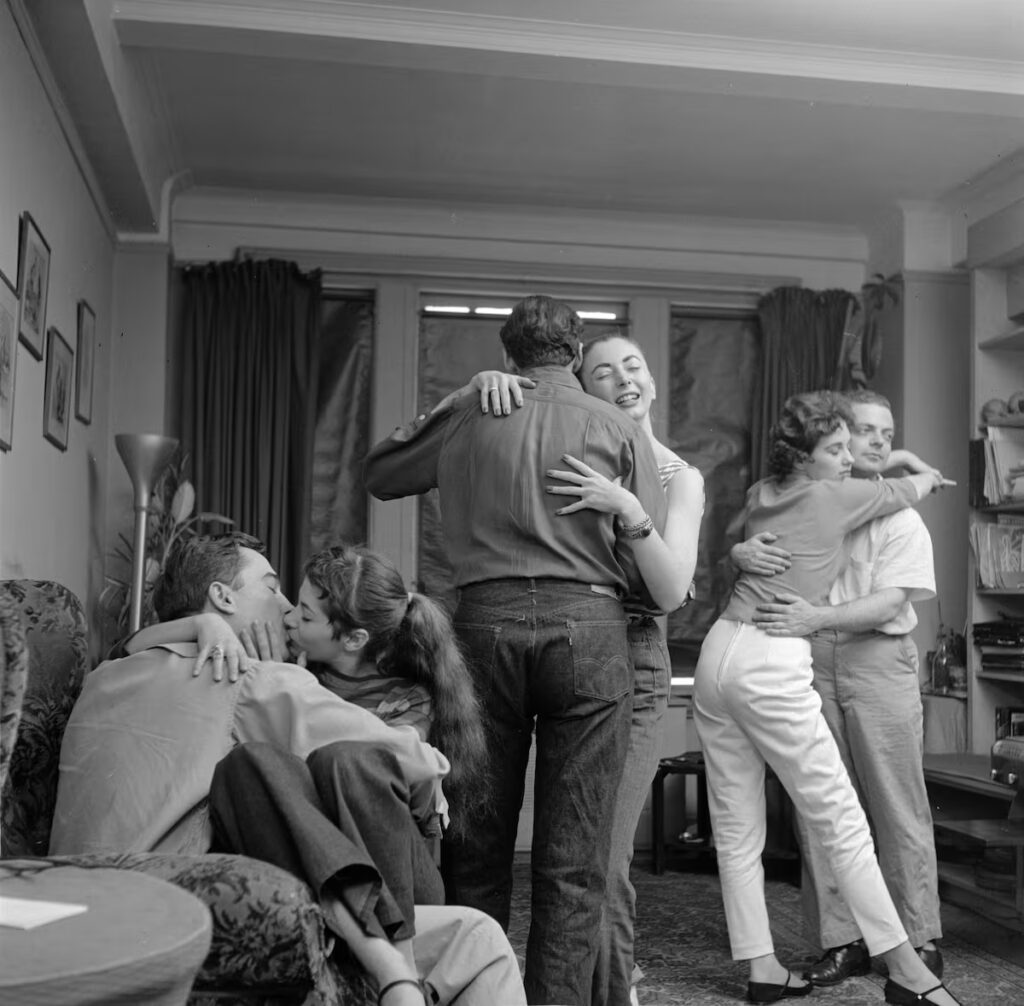
According to a recent report from Spain‘s National Federation of Leisure and Entertainment Entrepreneurs, a 2.6% decline in revenue is projected for the 2024-2025 season, a trend many attribute to inflation, post-pandemic behaviors, and rising living costs. In this context, home parties are experiencing a renaissance. A 2024 Ypulse survey revealed that 63% of young Europeans would rather host gatherings at home than go to clubs. From intimate get-togethers to energetic house sessions featuring live DJs, these gatherings allow friends to reclaim control over their nightlife experiences amid economic uncertainties.
Table of Contents
ToggleHome Parties: A New Cultural Space
Bad Bunny, the world's most-streamed artist on Spotify this year, epitomizes the significance of house parties. During his Puerto Rican residency, he constructed a house on stage, inviting stars like Austin Butler, LeBron James, and Penélope Cruz to join him. Dubbed “La Casita,” this concept symbolizes his return to his roots, and he plans to incorporate it into his global tour. While Bad Bunny's success showcases the appeal of large-scale events, the essence of house parties provides an alternative cultural space that is vital for DJs and musicians alike.
A study by sound equipment company Alpha Theta reveals that one-third of Gen Z and Millennials believe their best DJ experiences occurred at house parties, with nearly half stating it as the best venue for discovering new music. Notably, Spain ranks highest, with 28% of DJs reporting they began their careers at house parties. IceSplinter, a 26-year-old DJ, expresses the unique opportunities that house parties provide: “Things happening at these gatherings don't have the limitations of clubs. The audience is often more engaged, allowing for more creativity and experimentation.” He emphasizes that these settings foster deeper connections and meaningful interactions beyond just music and dancing.
Cultural Shifts in Social Dynamics
Cultural curator Aïda Camprubí echoes this sentiment, describing house parties as intimate spaces for healing amidst rapid, capitalist-driven lifestyles. The rise of technology democratically enabling individuals to learn DJing at home has led to the emergence of alternative music scenes, often rooted in community-focused values.
Moreover, house parties disrupt traditional nightlife dynamics. Camprubí notes how the overwhelming ambiance of mega-clubs can lead to social awkwardness, whereas private spaces allow for more genuine interactions. However, she cautions against creating insular environments, suggesting that house gatherings should remain open to new faces and experiences to enrich social interactions.
The concept of the “school of social fluency,” articulated by Juan Carlos Usó in his book *Historia del ocio nocturno en España*, emphasizes how social media has shifted the function of nightclubs. Instead of relying solely on venues to meet new people, social media now offers alternative pathways for connections. He points out that this change, coupled with economic precarity, is central to the rise of house parties as viable nightlife options.
Flexibility in Entertainment
Today's house parties come in various formats: daytime gatherings, events without DJs, open invitations, and more. Interestingly, alcohol is no longer seen as essential for having fun. “As alternatives to traditional nightlife rituals, many now prioritize safer, calmer environments over loud, chaotic parties. The old allure of reckless living has given way to a focus on self-care,” Usó observes.
Navigating Noise Complaints
While house parties foster intimacy and connection, they also raise concerns about noise and neighborly disturbances. Camprubí highlights the relative tolerance of noise in apartment buildings for family activities, yet social gatherings often provoke complaints. Strategies are being developed, such as IceSplinter's use of a headphone adaptor that allows for nearly silent DJ sessions. He reflects on the unique atmosphere created during these intimate gatherings, which contrast sharply with conventional nightclub settings.



![Middle-Aged Men in [Location] Prefer Coffee Machines Over Convertibles for Unique Experiences](https://instantvista.com/wp-content/uploads/2026/09/Middle-Aged-Men-in-Location-Prefer-Coffee-Machines-Over-Convertibles-for-150x150.jpg "Middle-Aged Men in [Location] Prefer Coffee Machines Over Convertibles for Unique Experiences 5 - Instant Vista")