
Table of Contents
ToggleThe Transformative Impact of Erotic Toys on Female Pleasure
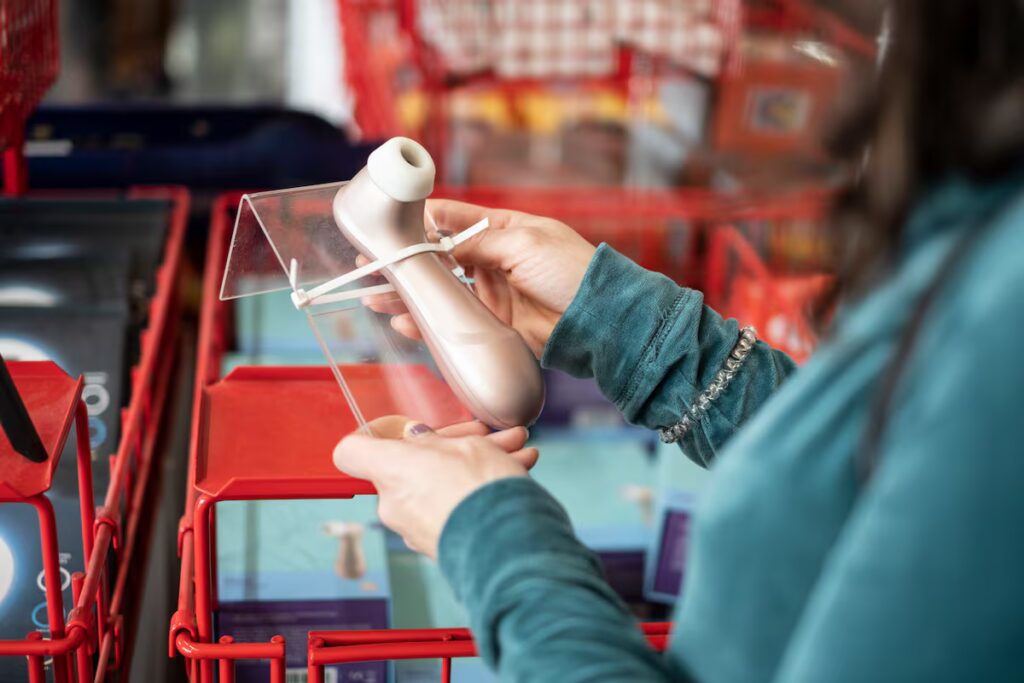
Erotic toys, especially the Satisfyer, have significantly transformed women's understanding of masturbation. What stands out is their considerable influence on users' perceptions rather than just their physical design. Suddenly, self-exploration in the privacy of one's space is no longer a last resort, but an accepted and even celebrated act. No longer viewed as mere consolation, these toys have become trusted allies in the journey of self-pleasure. They are now considered delightful gifts, especially during the holiday season.
The Evolving Landscape of Female Masturbation
Despite this evolution, female masturbation remains shrouded in misconceptions and requires a careful balance with other sexual experiences and body awareness. While these toys have shed their negative connotations, they may inadvertently discourage women from exploring various pathways to pleasure, leading them directly to quick and powerful orgasms. The question remains: can reliance on such devices impede self-discovery and personal skill development?
Masturbation: A Pathway to Sexual Self-Discovery
Masturbation is a critical initial step for those looking to enhance their sexual experiences and self-awareness. Sharing pleasure with partners necessitates understanding one's own body first. Sonia Bedate, a Spanish physical therapist specializing in pelvic health and sexology, emphasizes the importance of masturbation for establishing a strong mind-body connection and enabling the brain to recognize and document sensations that arise from genital and erogenous zone stimulation. Increased pelvic blood flow, enhanced lubrication, and the release of endorphins all contribute to physical and emotional well-being.
Bedate often incorporates self-pleasure as a core activity in her patient care. She weighs the advantages and disadvantages of sex toys, pointing out, “While toys can be beneficial, excessive use may create dependency.” She recommends that her patients favor vibration over suction, which can lead to a quick yet potentially harmful leveling of expectations that could disrupt other forms of sexual engagement. Furthermore, she advocates exploring various sensitive body areas beyond just the genitals, such as the hair, face, and inner thighs, highlighting the significance of identifying individual erogenous zones.
The Role of Context in Female Arousal
The concept of Sexocorporel, developed by the late Jean-Yves Desjardins, treats the body as an integral aspect of sexual health, linking physiology directly to emotional states. Claude Roux-Deslandes, a practitioner of this approach in France, reflects on how female masturbation has transitioned from a societal taboo to an experience facilitated through advanced devices offering multiple speeds and vibrations. She notes that many women remain disconnected from the natural processes of arousal due to reliance on these machines, reinforcing the need to embrace the diverse “verbs of eroticism,” which include not just pleasure but also sensory engagement.
Enhancing Arousal through Sensory Experiences
Roux-Deslandes underscores the importance of savoring experiences to connect fully with pleasure: “It's about engaging all senses, not just the visual stimuli.” Research has shown that both male and female genitals respond similarly to erotic imagery, but many women might not experience cognitive arousal despite physiological responses. Moreover, the way one breathes plays an essential role in arousal. Deep, controlled exhalation is crucial, especially for women who find it challenging to achieve orgasms, as surrendering control can lead to enhanced pleasure.
Creating a conducive environment for self-exploration also includes physical movement. Bedate stresses, “Pelvic blood flow aligns naturally with our breathing rhythm,” highlighting that arousal often begins in a relaxed state. Addressing issues of low desire requires various stimulating practices, such as erotic literature, massages, or soothing baths, to ignite a sense of erotic connection and rekindle personal pleasure.
The journey of self-pleasure serves as a fundamental pathway to overcoming challenges related to desire. While rekindling self-exploration may require overcoming perfectionist tendencies, recognizing that pleasure plays a vital role in feeling alive and connected to one's body can be transformative.