
Social media is increasingly resembling a teleshopping channel, with countless individuals presenting themselves as health experts. This platform has become fertile ground for various health products and hacks, many of which lack substantial evidence or are based on selectively interpreted data. These tips often promise enhanced health outcomes or remedies for common issues such as sleep deprivation, which affects approximately one in three adults in the U.S., according to recent CDC data.
Table of Contents
ToggleNighttime Showers in the Dark: A Viral Sleep Hack
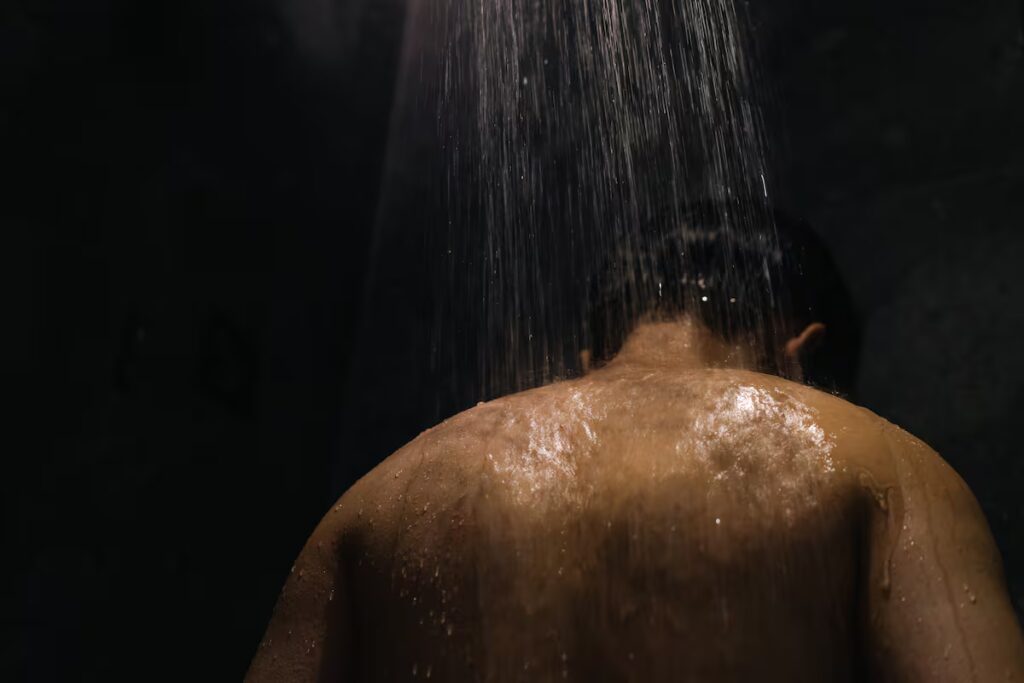
The latest trend to address sleep issues involves taking nighttime showers in the dark. Proponents claim this method aids in quicker sleep onset and deeper rest; however, physiologist María José Martínez Madrid points out that no formal studies have validated showering in the dark as an effective sleep intervention, and it is not part of established clinical insomnia guidelines.
Martínez explains, “While reducing light exposure at night and taking a warm shower before bed are both beneficial for sleep, the combination of both is more of a social media interpretation than a scientifically backed intervention.”
Potential Benefits of Low-Light Showers
Anjana López, a clinical neurophysiologist with the Spanish Sleep Society’s Insomnia Working Group, concurs but notes a possible advantage to low-light showers: they encourage individuals to concentrate on different sensory experiences, such as the aroma of soap or the sound of water. “This can help keep attention in the present, mitigating daily anxieties, which may lead to relaxation and improved sleep,” she states.
Experts often recommend warm showers, especially during hot summer nights when falling asleep can be challenging. This advice is applicable year-round. A meta-analysis published in 2019 in the journal Sleep Medicine Reviews determined that soaking in a warm bath (38-40ºC, or 100-104ºF) for 10 minutes one to two hours before bedtime reduced the time needed to fall asleep by approximately nine minutes and increased sleep efficiency.
Thermoregulation and Its Role in Sleep
López elaborates, “This process promotes peripheral vasodilation, which aids in lowering core body temperature, a physiological cue for falling asleep.” Martínez cautions against showers that are excessively hot or cold, as they may produce contrary effects; hot showers can invigorate, while cold showers may heighten alertness.
Research supports the significance of decreasing light exposure to enhance sleep quality and boost melatonin production, the hormone responsible for regulating sleep. Specialists recommend utilizing warm, dim lighting as the evening progresses and avoiding electronic devices like computers and smartphones for at least two hours leading up to sleep.
Research Findings on Light Exposure
A 2010 study indicated that exposure to white light significantly delayed melatonin secretion and reduced hormone levels by about 70% when compared to dim light. Furthermore, another study revealed that exposure to bright bathroom light for just 30 minutes before bedtime lowered melatonin levels and increased alertness.
A 2025 study led by researchers at the University of Zaragoza in Spain found that both red and blue light exposure suppressed melatonin secretion initially. However, blue light was noted to persist in reducing melatonin levels after two hours, highlighting its detrimental impact on circadian health.
Importance of Consistent Nighttime Routines
In summary, showering in low light or darkness aligns with the brain’s need for darkness to produce melatonin. However, Martínez emphasizes that this process is gradual, stating, “Melatonin production rises over time in sustained low-light conditions, not as an instantaneous switch.”
Consequently, taking a dark shower may not be effective if one has been exposed to bright light right up until shower time. Additionally, resuming exposure to bright light immediately after the shower or using devices could counteract any benefits gained. López affirms, “There’s no value in a dark shower right before bed if we’ve spent the preceding hours engaged with screens. Preparing our bodies for rest requires a period of transition.”
Martínez similarly concludes that such tricks are only genuinely effective within the framework of sound sleep hygiene practices. “The key isn’t an isolated action, but the overall context of the nighttime routine. Sleep depends on established patterns, not ‘micro-tricks,’” she adds.