Table of Contents
ToggleDonald Trump Shares Controversial Image of Nicolás Maduro
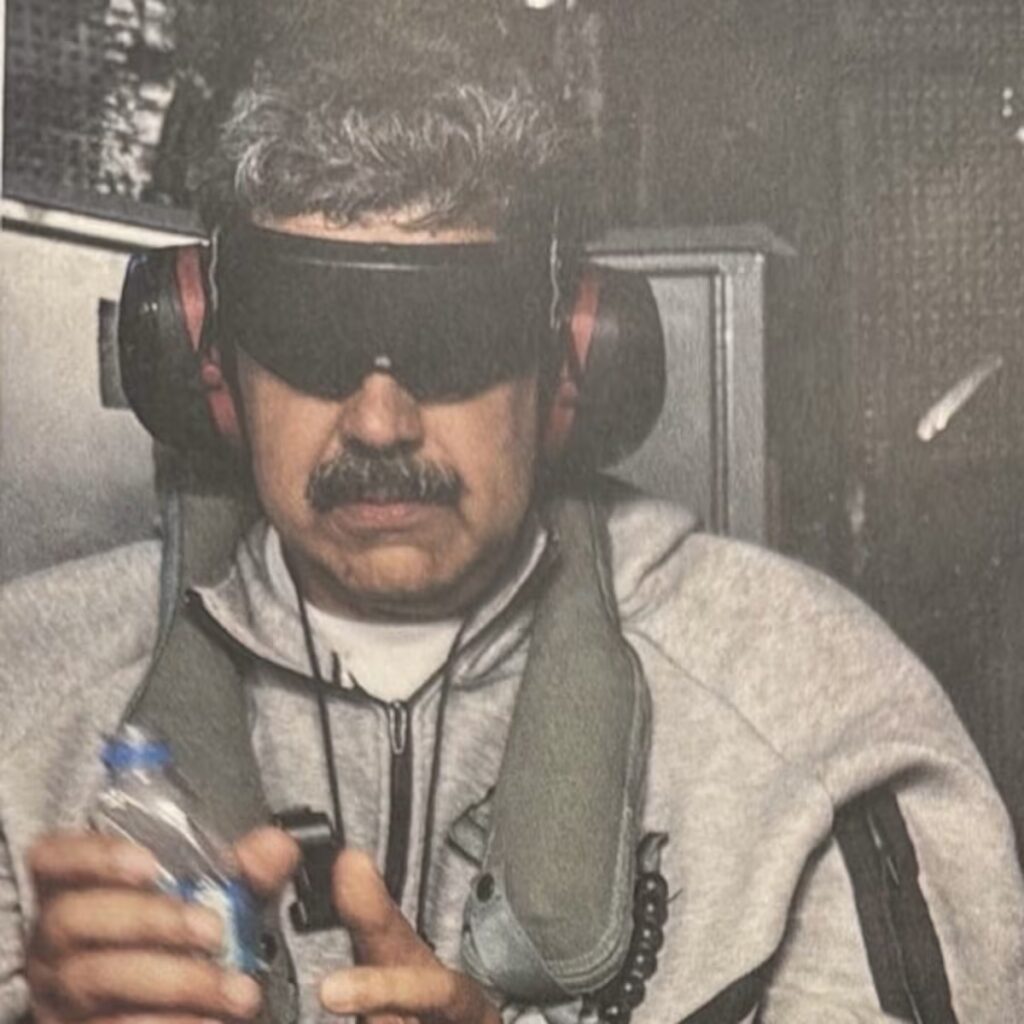
The striking photo quickly gained traction on social media, featuring Venezuela's leader, Nicolás Maduro, in a compromising situation. Posted by Donald Trump on his platform, Truth Social, the image depicted Maduro aboard the USS Iwo Jima, bound in handcuffs, blindfolded, and wearing noise-canceling earplugs. This photograph, with its questionable framing and low resolution, encapsulated the dramatic capture of Maduro and marked a significant moment in political discourse.
A Vulnerable Maduro: A Symbol of Power Loss
Maduro's appearance, clad in a gray Nike tracksuit, echoed the narratives of countless fallen leaders throughout history. The image presented a stark contrast between his previous position of authority and his newfound vulnerability. Parallels have drawn between this moment and the infamous capture of Saddam Hussein in 2003, where he too was showcased in a disheveled state, conveying a sense of defeat. Similarly, images from Osama bin Laden's capture highlight how powerful figures are often dehumanized in their downfalls.
The Ideology Behind the Tracksuit
While sweatsuits have become commonplace in contemporary society, the portrayal of Maduro in a tracksuit speaks volumes within the context of Trumpian power dynamics. The imagery aligns with the satirical interpretation that losing control often leads to a shift in personal presentation, as famously articulated by designer Karl Lagerfeld.
The Viral Nature of the Image
Within hours of its release, Maduro's tracksuit spawned internet memes and commentary. Websites began to capitalize on the trends, with headlines questioning where to purchase the same tracksuit for around $200. The Argentinian publishing house Caja Negra reflected on this phenomenon, quoting Guy Debord to emphasize how banalization permeates modern consumerism.
The Appeal of Crude Imagery in Digital Culture
In her essay “In Defense of the Poor Image,” video artist Hito Steyerl examines the effectiveness of aesthetically crude images in digital media. The internet thrives on low-quality images that invite endless reproduction and analysis. In turbulent times, such representations serve as powerful propaganda, illustrating how even a simple piece of clothing can carry significant weight in the realm of politics.