
Table of Contents
ToggleGrowing Popularity of Prediction Markets
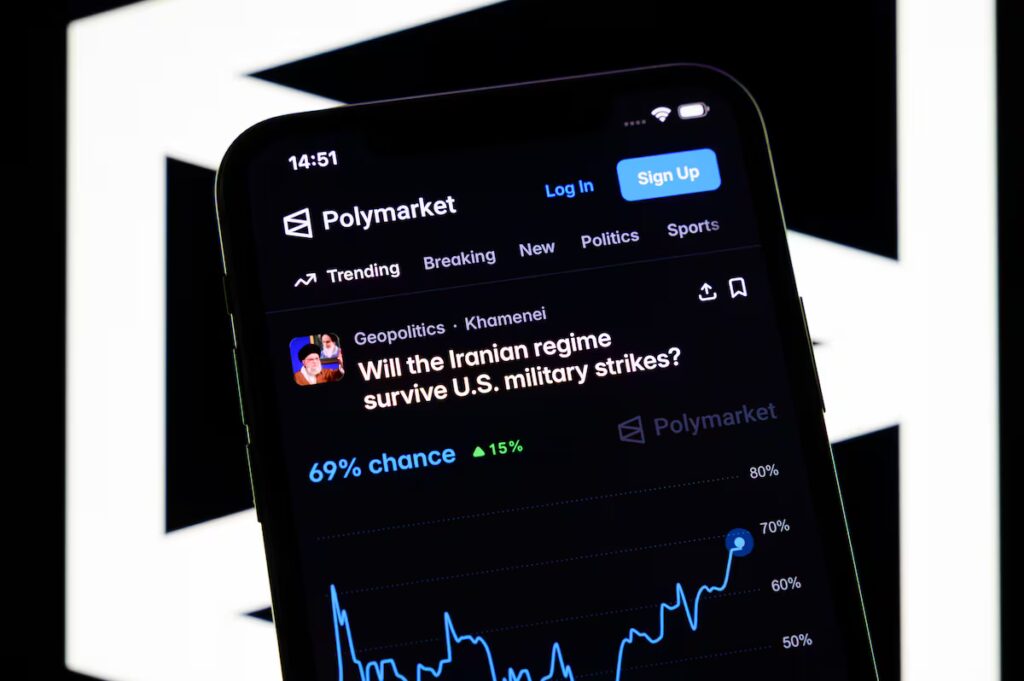
Will a peace agreement be reached between Israel and Hezbollah before April 30? Who will emerge victorious in the 2028 U.S. presidential election? Predictions about Bitcoin fluctuations in the next five minutes—these are just a few examples of the betting opportunities available on platforms like Polymarket and Kalshi, leading prediction houses in the United States.
The popularity of these platforms has surged, but their ethical implications warrant serious consideration. An article published in the journal Science emphasizes the need for stricter regulations in this space. Although federal law prohibits betting on crimes in the U.S., Polymarket operates primarily overseas, allowing users to access it via a VPN.
Ethical Concerns and Manipulation Risks
The article highlights significant threats to democratic integrity posed by prediction markets, from potential electoral manipulation to the risk of insiders exploiting classified information. According to the study co-authored by legal experts Nizan Geslevich and Sharon Rabinovitz from the University of Haifa, the beliefs of traders can skew market probabilities, thus creating a feedback loop that may distort public perception.
Moreover, these platforms may incentivize individuals to leak or misuse classified information, ultimately endangering national security. An instance cited includes a user who placed a substantial bet on Polymarket just before the U.S. attack on Venezuela, reportedly earning over €400,000 shortly after the operation was approved.
Regulatory Challenges in the U.S. and EU
The landscape of regulatory measures is complex. In the U.S., the Biden administration attempted to introduce regulations for the sector, leading to a fine of $1.4 million for Polymarket. However, the legal challenges dissipated with the Trump administration. In Europe, regulatory frameworks such as the Digital Services Act (DSA) apply only to platforms with over 45 million users—a threshold that prediction markets have yet to meet.
Geslevich and Rabinovitz advocate for a comprehensive approach to regulation, integrating expertise from various fields to monitor market manipulation and compulsive usage. They warn that while prediction markets could enhance decision-making when ethically designed, they also pose risks to democratic processes if left unchecked.
Public Health Implications
Another significant area of concern is the public health impact of prediction markets, which may exceed those posed by traditional betting platforms. The authors draw parallels between these emerging markets and the historical rise of tobacco use, cautioning that the detrimental effects may not be fully recognized until substantial damage has occurred.
According to the study, 46.2% of adults and 17.9% of adolescents globally engaged in gambling activities in the past year. The incidence of gambling-related disorders ranges between 2.7% and 15.8% among online participants, significantly surpassing that recorded in conventional betting contexts. The researchers also highlight that the economic toll of gambling-related issues across the EU could exceed €100 billion, with a low access rate to treatment for those in need.
Unique Characteristics of Prediction Markets
While acknowledging that prediction markets operate on real-world events and may reward user skill, the researchers caution that these markets could still reproduce public health burdens similar to those seen with traditional gambling due to their addictive nature. The behavioral patterns displayed by users on these platforms share commonalities with those experienced in addictive substance use, even though the specific mechanics of engagement differ.
Ultimately, the findings point to an urgent need for a reevaluation of prediction markets, focusing on their potential for harm alongside opportunities for ethical design. Without proactive measures, these platforms could perpetuate issues of addiction and manipulation in a manner akin to established gambling environments.