
Table of Contents
ToggleIntroduction to a Tragic Incident
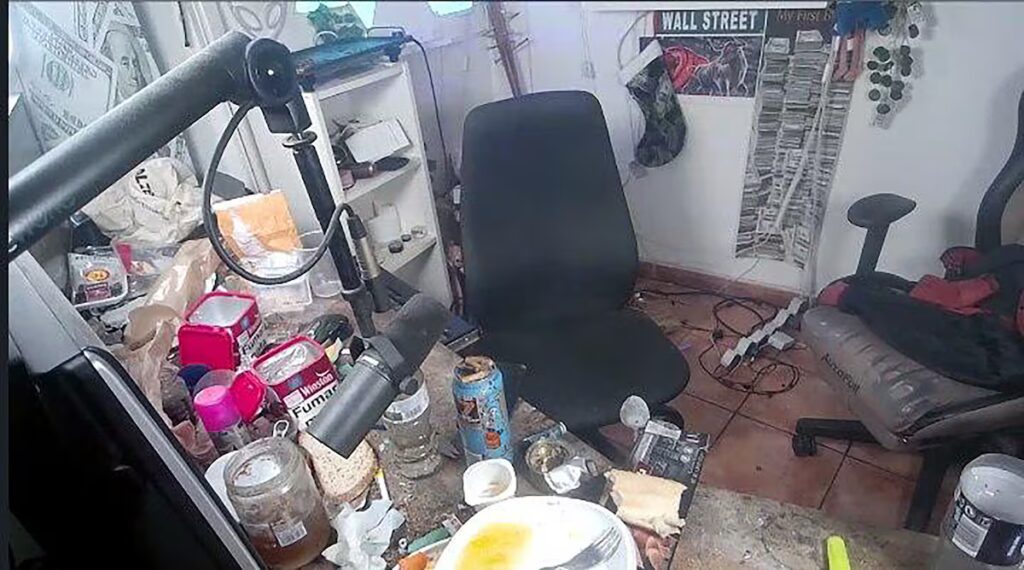
In October, during a live YouTube show, influencer Simón Pérez introduced Sergio Jiménez, who was struggling with severe issues including mental health problems and drug addiction. Jiménez, 37, tragically died on December 31 in Vilanova i la Geltrú (Barcelona) after reportedly engaging in a potentially dangerous live challenge that involved drug and alcohol consumption, as confirmed by his relatives. This incident marks the first known death of its kind in Spain.
Ongoing Investigation
The Mossos d'Esquadra, Catalonia's police force, are investigating Jiménez's death as a possible criminal matter. They are proceeding cautiously, as this is an unprecedented case for them. The court is awaiting autopsy results, which are expected within three weeks, to determine whether an overdose was the cause of death.
Audience Engagement and Responsibility
Pérez expressed concern for Jiménez's vulnerability on social media, urging his followers not to harass him. Unfortunately, this plea went unheeded as many fans became participants in the toxic interactions. Pérez later attempted to distance himself from Jiménez's actions, regretting the consequences of his influence. In a conversation, Pérez remarked that Jiménez's brother noted the tragedy could have been avoided if Jiménez had not met him.
Understanding the Audience's Role
The grim reality extends beyond Pérez's influence; it includes the audience that actively engaged with Jiménez. Viewers were drawn into a scenario where drug consumption was treated as entertainment. Some paid between €30 to €100 for access to exclusive video calls, where they encouraged Jiménez to consume drugs while issuing various challenges. Certain individuals even facilitated the drug procurement, dictating the amount of narcotics to be consumed.
Challenging Interactions
Jiménez's experiences included increasingly unsettling interactions, such as being challenged to consume excessive amounts of drugs while responding to degrading comments from viewers. Pérez shared troubling instances of how these challenges often involved humiliating tasks beyond drug use, indicating a shift towards increasingly reckless behavior fueled by audience engagement.
Inquiries into Motivations and Demographics
Pérez struggles to understand the motivations behind these viewer behaviors, considering that many online participants are young men, particularly those associated with the cryptocurrency sector. He observed that some individuals have spent considerable amounts of money in pursuit of these challenges, further emphasizing the disturbing dynamics at play.
A Community Fueled by Trolling
Research indicates that these online communities facilitate harmful behaviors and normalize extreme acts. Professor Arthur Ehlinger from the University of Glasgow notes that such interactions create a sense of belonging among viewers, which can lead to ritualized harmful behavior. Similarly, Professor Sanjram Premjit Khanganba highlights how online anonymity can embolden people to engage in trolling, an act that rarely manifests in real life due to underlying insecurities.
The Evolution of Streaming Platforms
Pérez's controversial live broadcasts moved from public platforms to private spaces like Google Meet and Telegram following legal scrutiny of content after the death of French streamer Raphaël Graven. This shift presents challenges for authorities attempting to regulate such activities, given the lack of oversight on private online gatherings.
Regulatory Challenges Ahead
Despite the risks, platforms like YouTube and TikTok must assess whether to continue hosting content linked to these dangerous behaviors. Recently, TikTok deleted Pérez's account, while YouTube removed select videos depicting harmful content. However, the challenge remains in monitoring and regulating the latter stages of this troubling trend.
Final Thoughts on Online Safety
The complexities of online interactions create significant hurdles in addressing these dangerous behaviors. As streaming content continues to evolve in private spaces, educational initiatives are vital to prevent these harmful practices from proliferating and to deter audience complicity in dangerous activities.