
Table of Contents
ToggleThe Rise of Hypermasculinity in Media
Two years ago, discussions emerged about the potential return of the “normal man” in cinema, reflecting a shift from hypermasculine ideals to a more relatable portrayal of masculinity. However, hypermasculine physiques remain dominant on screen, especially in popular series like Rivals and Emily in Paris, as well as within the action and superhero genres.
Extreme Body Ideals in Media
Anastasia Salter, in Toxic Geek Masculinity in Media (Palgrave Macmillan, 2017), highlights the prevalence of exaggerated male physiques in media, particularly in comics. This hypermasculine ideal sets the standard for how masculinity is perceived culturally, distinguishing it sharply from femininity.
Aesthetic Pressures on Men
While aesthetic pressures have historically targeted women, men are increasingly influenced by societal expectations about their appearances. The Spanish Society of Aesthetic Medicine reports that approximately 31% of cosmetic surgery patients are men. This trend reflects a growing market for procedures addressing male insecurities, from jawlines to overall physique.
Emerging Trends: Softmaxxing and Hardmaxxing
Two movements are emerging within this context: “softmaxxing” and “hardmaxxing.” Softmaxxing entails adopting diets, skincare routines, and exercise regimens for non-invasive body modifications, while hardmaxxing includes surgical procedures and even dangerous practices such as “bonesmashing,” which involves physically assaulting one's facial bones in a misguided attempt to enhance facial structure.
The Looksmaxxing Community
The phenomena surrounding looksmaxxing—a community of men seeking to enhance their appearance—has resulted in alarming practices. Online forums are rife with discussions where young men share aesthetic insecurities and dangerous advice. Some even express their distress after following extreme recommendations, highlighting a troubling trend in body dysmorphia linked to internet culture.
Influence of Social Media
Brian Levin, from California State University, notes that online platforms are becoming spaces for disillusioned young men to connect, fostering a culture centered around appearance and dissatisfaction. Social media platforms have facilitated the spread of harmful beauty ideals, allowing for the normalization of extreme body modifications.
Extreme Views and Their Roots
Online influencers, such as Livestreamer Clavicular, promote harmful advice, perpetuating a culture of misogyny and extreme beauty standards. Many of these figures overlap with far-right ideologies, reflecting a confluence of toxic masculinity and political extremism.
Misogyny and Looksmaxxing
Looksmaxxing has historical ties to misogyny, echoed in various media portrayals. The aesthetic obsession prevalent in films like American Psycho underscores a broader societal critique of superficiality and consumerism, where appearance is prioritized over substance.
Political Underpinnings of Hypermasculinity
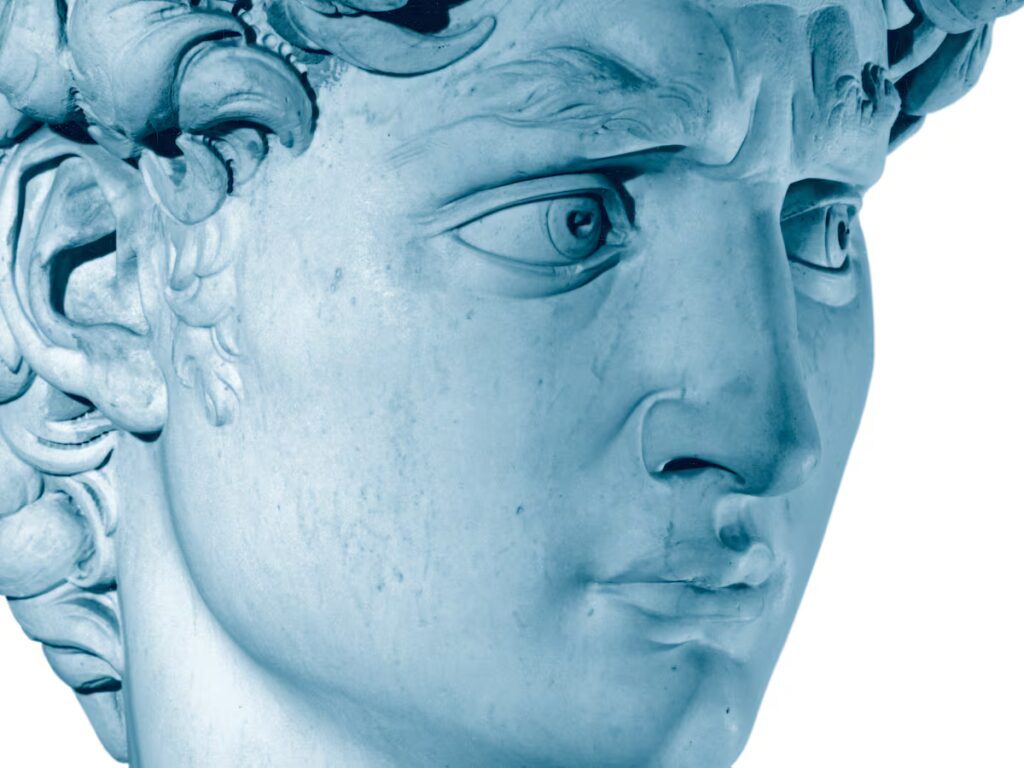
Further exploration suggests a revival of fascist physical aesthetics intertwined with toxic masculinity. Cultural critics argue that extreme-right groups are returning to ideals rooted in neoclassicism and racial purity, using appearance to assert potency and vitality in opposition to perceived threats. This trend is evident in contemporary politics, where aesthetics play a crucial role in the public personas of political figures.
The Future of Beauty Standards
As societal standards of beauty continue to evolve, the looksmaxxing movement represents a superficial interpretation of attractiveness, suggesting that appearance can be easily manipulated through effort and resources. This highlights the precarious nature of contemporary beauty ideals and the societal pressures that underpin them.