
Table of Contents
ToggleThe Formation of Detachment 201: A New Era in Military-Technology Collaboration
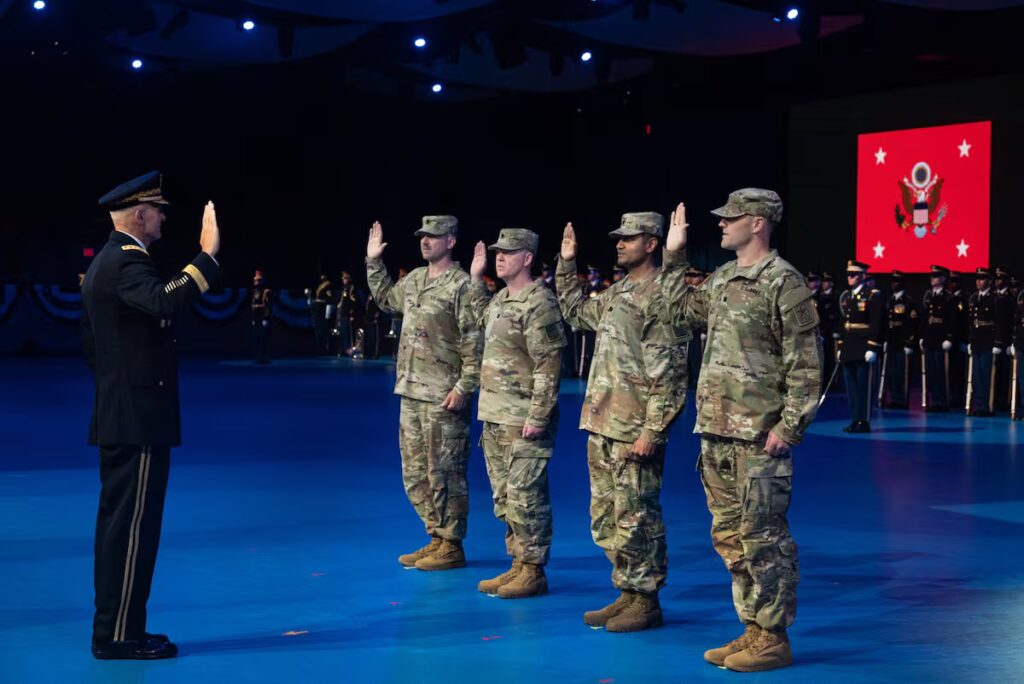
On June 13, 2022, a notable event unfolded at Myer-Henderson Hall, near the Pentagon. Andrew Bosworth, Chief Technology Officer at Meta, alongside three other prominent tech executives, donned military uniforms as they were commissioned as lieutenant colonels in the U.S. Army Reserve. This ceremony marked the establishment of Detachment 201, or the Innovation Executive Corps, aimed at integrating advanced technological expertise with military innovation.
Bosworth was joined by industry leaders Kevin Weil from OpenAI, Shyam Sankar of Palantir, and Bob McGrew, a former executive from both Palantir and OpenAI. Secretary of the Army Dan Driscoll emphasized the significance of their unique skills in modernizing military capabilities and maintaining technological superiority.
Unprecedented Military Commissions
The commissioning of these four civilians raised eyebrows within military ranks. Traditionally, achieving a lieutenant colonel rank requires 15 to 20 years of dedicated service, yet these executives completed their training in just four weeks. This rapid advancement was perceived by some as preferential treatment, further highlighted when two out of four forgot to salute a general during the ceremony.
Security analyst Shannon Szukala criticized the decision, stating that it undermines the sacrifices associated with a military career. Ángel Gómez de Ágreda, a pilot and colonel in the Air and Space Army Reserve, noted that the military could have placed these executives in lower ranks, fostering better dialogue with commanders. This strategic move appears aimed at showcasing collaboration between the armed forces and selected tech companies.
Concerns Over Conflicts of Interest
The Trump Administration’s decisions drew scrutiny, particularly regarding the connections between the Pentagon and companies like Palantir, which provides critical software for intelligence operations. Palantir reportedly holds numerous contracts with the Defense Department, potentially valued at $10 billion over the coming decade. Meanwhile, Meta has partnered with Anduril to develop virtual reality products for military use, further intertwining technology with defense.
Bosworth explained that the name “Detachment 201” references the HTTP status code indicating successful resource creation, signaling a focus on effective resource integration.
The Impact of Silicon Valley on Defense Strategies
Trump’s relationship with major technology firms has evolved, especially as he embraced figures like Elon Musk during his presidential campaign. This shift reflects a broader trend where tech firms increasingly hire former Pentagon officials to bolster their defense-related offerings, challenging traditional workforce dynamics where the reverse has been common.
Concerns abound regarding this shift, particularly as Detachment 201 aims to integrate AI and analytics into military strategy, a goal first outlined in 2018. This initiative gained momentum under Trump, with plans initially set in motion during the Biden administration following the rise of generative AI technologies like ChatGPT in late 2022.
Although the Pentagon has been reticent about detailing Detachment 201’s early endeavors, significant developments in its recruitment process have emerged. The initiative has notably expedited the integration of civilian tech specialists into military roles, slashing the traditional six-month onboarding period to one of just six weeks. Brigadier General Gregory Johnson highlighted the program’s potential to enhance military operations across various technological domains.