
Table of Contents
ToggleNudism in Germany: A Cultural Tradition
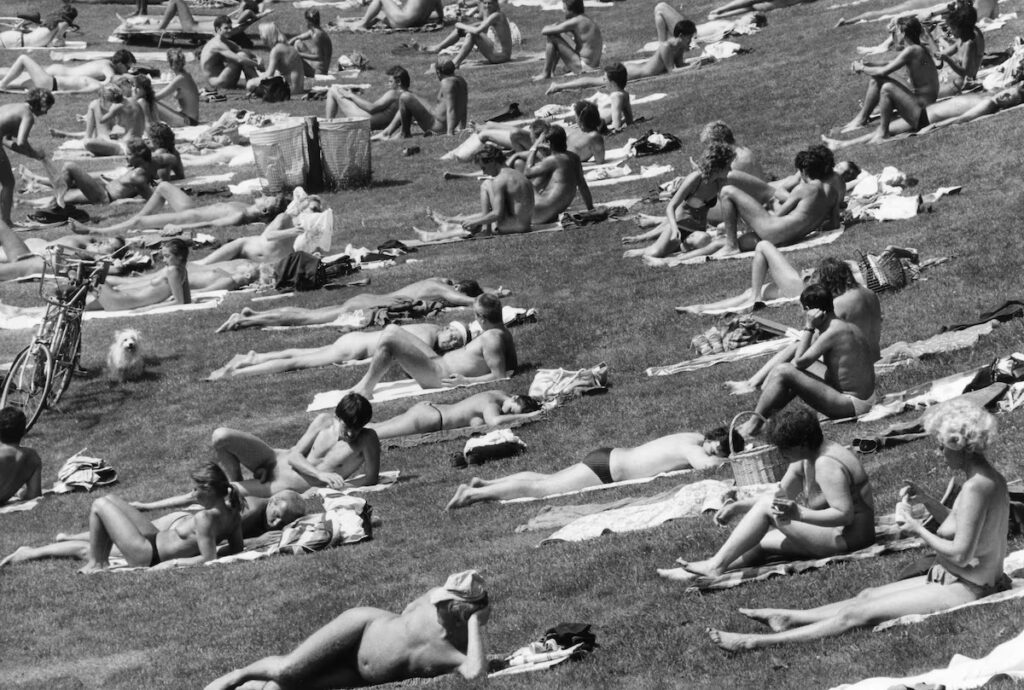
As the warmer weather arrives, many people in Germany flock to local lakes and rivers to cool off. In the Berlin region, these water bodies are often frequented by nudists—a common sight that may catch tourists off guard, but is a normal part of life for locals. Nudism in Germany is as much a summer tradition as barbecues and the popular Biergarten settings.
The Legacy of Naturism
Nudism in Germany has roots in a long-standing naturist philosophy that promotes living harmoniously with nature. This movement, known as Freikörperkultur (FKK), emerged in the late 19th century and continues to influence attitudes towards nudity in public spaces today.
Historical Background of FKK
Historically, the FKK movement originated during the life-reform movement of the late 1800s, which advocated a return to nature in response to the industrialization era. Maren Möhring, a professor of comparative history at Leipzig University, explains that the movement encouraged exposing one's body to the sun and air for improved well-being, alongside promoting physical activity.
The 1920s marked a peak for this movement, but the rise of Nazism controversially appropriated it to represent the “perfect Aryan body.” Prominent figures, including filmmaker Leni Riefenstahl, produced documentaries that celebrated athleticism and nudity. However, the focus shifted toward health, often revealing antisemitic undertones based on appearances.
Nudism Post-World War II
After World War II, interest in organized naturism waned, particularly in the German Democratic Republic (GDR), where associations were banned. Instead, individuals practiced nudism independently, fostering a sense of “democratic nudity” where everyone was equal. Initially suppressed, the GDR eventually accepted this practice in the 1970s, while Western Germany saw a clear segregation in beaches.
The reunification of Germany brought challenges, especially along the Baltic Sea, where hoteliers were uneasy about nudism practices, as many West Germans found them unsettling outside designated nudist areas. However, lakes in Eastern Germany continued to embrace this tradition.
Cultural Perceptions of Nudity
Scholars like Möhring attribute the popularity of nudism in Germany to philosophical notions, including Goethe's belief that “Only the naked human being is the true human being.” This perspective suggests that clothing may symbolize a desire to conceal aspects of oneself. Moreover, religious factors play a role, with naturist centers predominantly located in Protestant regions, while Catholic opposition has historically resulted in lawsuits against naturist associations for perceived immorality.
The Future of Naturism
The advent of social media introduces uncertainties for the naturism movement, particularly among younger generations who are apprehensive about privacy and unsolicited photos. Despite these challenges, the German Federation of Naturism (DFK), which comprises around 120 clubs, remains optimistic about the future. Membership has increased from 32,000 in 2018 to approximately 35,000 today. However, in Eastern Germany, formal membership remains less common, making accurate counts difficult.
DFK Vice President Manuela Fernández attributes this growth to modernization efforts, including enhanced websites and social media engagement to attract younger audiences. Currently, over half of the DFK members are aged 61 or older, but Fernández believes this is changing. “We've been growing for about five years,” she states, emphasizing that naturism is not an outdated concept, but rather one that aligns with contemporary values of sustainability and environmental preservation.