
Table of Contents
ToggleTrends in Testosterone Replacement Therapy: A Growing Market and Ideological Shift
José Elías, a 50-year-old businessman and owner of a Spanish frozen food chain, spoke on the podcast The Formula for Success, sharing his experience with testosterone replacement therapy (TRT). He remarked, “You have to hack your body. I think that people from my generation will live to be 100.” Elías described the effects of TRT, saying it felt like being 30 again, a sentiment that echoes a broader trend gaining traction in several countries, inspired by developments in the United States.
Medicalization of Masculinity
This emerging trend involves the medicalization of masculinity, where attributes traditionally associated with men are enhanced through aggressive medical treatments. A recent academic study in Australia suggests that social media is framing low testosterone levels as a “crisis of masculinity.” Advertisements are promoting testosterone tests, persuading healthy young men to believe they have an underlying issue.
Rise in TRT Prescriptions
Consequently, TRT prescriptions have surged, increasing by 154% in the United States since 2020. Research indicates that approximately 5.6% of men aged 30 to 79 experience low testosterone, known as hypogonadism. However, only 20% of those affected receive treatment. As noted by Maria Papaleontiou, an endocrinologist at the University of Michigan Medical School, the ratio of those genuinely needing treatment to those receiving it remains concerning; her study revealed that only 12% of treated patients met all diagnostic criteria.
The Role of Private Clinics
Many private clinics are now offering online testosterone tests and treatment. These facilities often measure hormone levels outside conventional medical guidelines. Elías expressed interest in opening a men’s health clinic in Spain focused on testosterone tests, highlighting the gap that currently exists in the market compared to locations like Miami and Dubai. The testosterone testing market is anticipated to grow from $122.2 million in 2026 to $222.7 million by 2035, according to Future Market Insights.
Health Implications and Ideological Influences
The natural decline of testosterone levels with age—particularly after 45—has led more healthy men to consider supplementation. This phenomenon raises concerns regarding the message being conveyed. While TRT can induce muscle growth and other benefits, it may also trigger side effects, including testicular damage and infertility. Influencers, including 20-year-old Clavicular (Braden Peters), promote testosterone use for aesthetic gains, aligning with a cultural shift towards hyper-masculinity.
Societal Responses to Masculinity
Sociologist Olmo Morales attributes the rise in TRT usage to a reaction against the increasing visibility of women and the evolution of gender roles. He notes that instead of adapting to these changes, some men reinforce traditional masculinity through therapies like TRT. This trend resonates within the “manosphere,” a network of online communities that propagate regressive ideas about gender.
Political Ramifications and Regulatory Changes
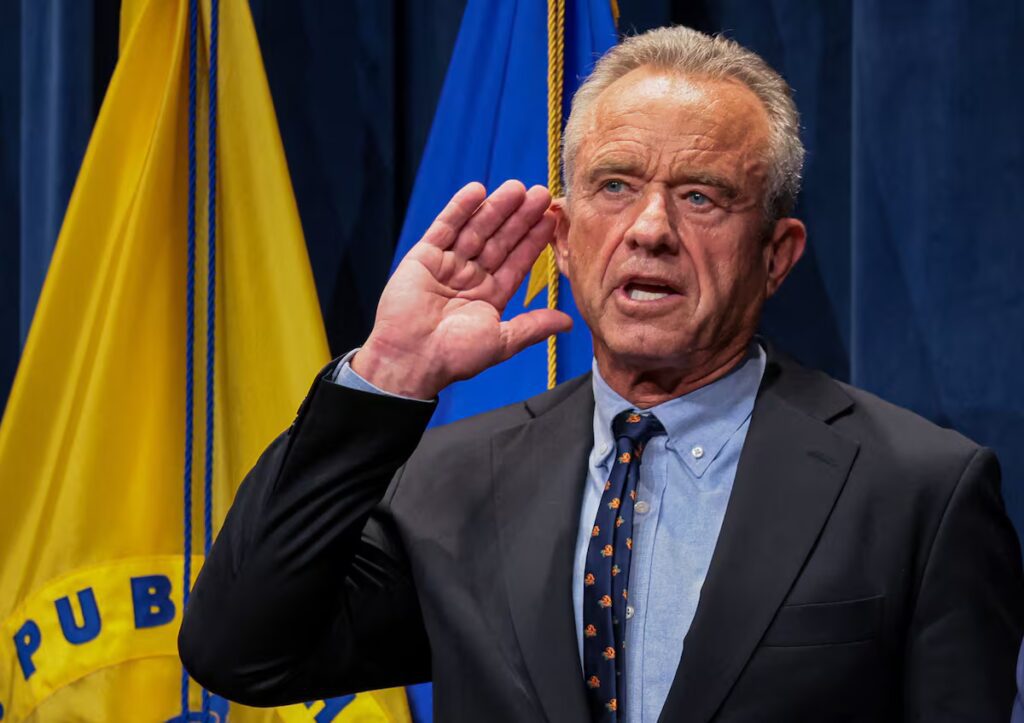
TRT has gained traction among certain political ideologies. Robert F. Kennedy Jr., U.S. Secretary of Health and Human Services, advocates for deregulating testosterone prescriptions, potentially opening the market significantly. Rising testosterone levels among men have fallen, but debates persist surrounding environmental factors contributing to this decline.
Re-evaluating TRT Efficacy
Recent studies challenge previous assumptions about the risks associated with TRT. A 2023 investigation of over 5,200 men aged 45 to 80 demonstrated that TRT does not significantly increase heart attack or stroke risks but may enhance sexual drive and reduce depression over two years. Conversely, the benefits for those with normal testosterone levels are contested. A study from the University of Gothenburg suggests that the perceived connection between testosterone and well-being is overestimated.
Conclusion on the TRT Discourse
As discussions surrounding TRT evolve, the narrative has shifted from a clinical to a lifestyle context. While marketing portrays testosterone as a miracle solution for vague symptoms like fatigue, experts assert that biological factors influencing well-being are complex and interconnected. The rise of simplistic online narratives diminishes the medical significance of testosterone, potentially fueling harmful perceptions of masculinity.