
Table of Contents
ToggleThe Influence of Physical Appearance in Politics
In his philosophical work Republic, Plato suggested that “hairstyles, clothing, shoes, the general appearance of the body, and everything of that sort” form the unwritten laws upon which a state is founded. This underscores the importance of politicians' physicality in their power and influence, a concept that remains relevant even today.
The Historical Context of Political Appearance
Richard Fox, in his book Lincoln's Body, examined how Abraham Lincoln's perceived unattractiveness influenced his political trajectory. Fox's research indicates a notable trend: fewer “ugly” candidates seek election in modern times. Lincoln's era did not include the scrutiny of televised appearances, a factor that later hindered Richard Nixon against John F. Kennedy in their famous debate—where those listening on the radio perceived Nixon as the victor, contrasting with viewers who found Kennedy more appealing.
When former Spanish Prime Minister Mariano Rajoy was advised on improving his image, he remarked, “Everyone has the face they have, and mine is difficult to fix.” Comments regarding the attractiveness of politicians often result in controversy and highlight societal biases. For instance, Pilar Portero reported that many women voted for former Spanish leaders Adolfo Suárez and Felipe González due to their sex appeal, implying that women prioritize physical appearance over substantive criteria.
The Role of Physical Attractiveness in Modern Politics
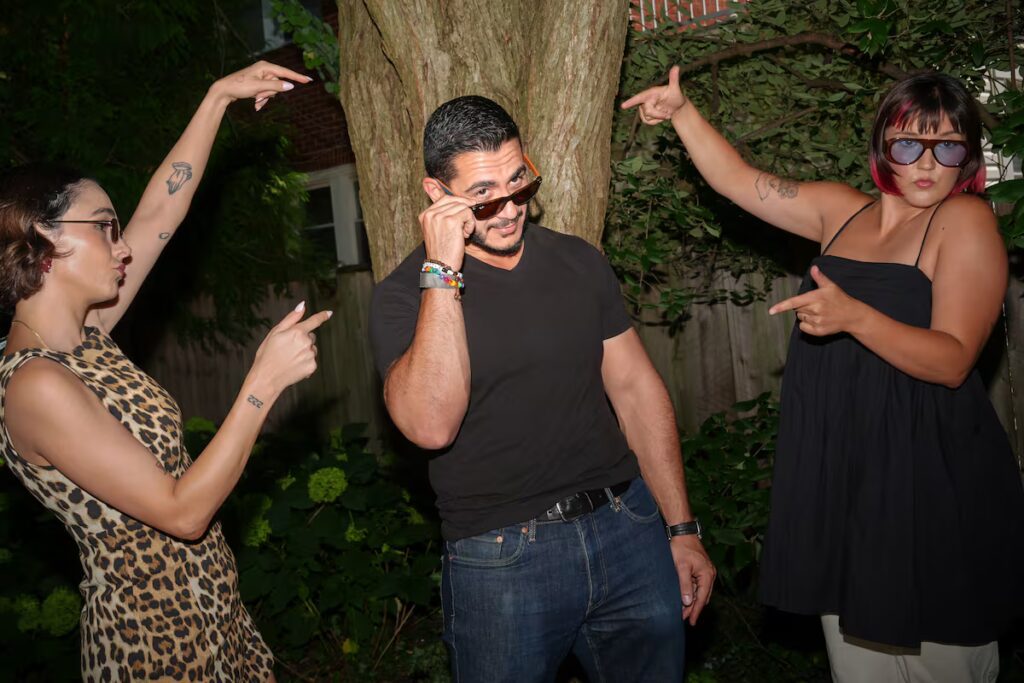
Currently, Abdul El-Sayed, a Democratic Senate candidate from Michigan, is gaining attention not just for his policies but for his physical appeal. Social media comments highlight his fitness, with one user questioning the merit of supporting a candidate based solely on appearance.
Zohran Mamdani, another politician whose looks have drawn attention, remarked on Donald Trump's compliments regarding his attractiveness. Speaking to Rolling Stone, Mamdani humorously acknowledged Trump's observations. Political scientist Miguel Ángel Martín Blanco notes that in today's audiovisual society, image plays a crucial role in influencing voter behavior.
The Intersection of Beauty and Political Communication
Martín Blanco explains that perceptions of beauty vary widely among societies and that ugliness often becomes synonymous with villainy in political narratives. Such dynamics can manifest in political propaganda during conflicts, where adversaries are portrayed with monstrous physical characteristics. Similarly, journalist Joan Callarissa equates politicians with influencers, suggesting that charismatic appearances aid in garnering public interest, especially in an era of voter disengagement.
Factors contributing to this phenomenon include the halo effect, as Ignacio Martín Granados, a political psychologist, explains. Physically attractive individuals are often presumed to possess qualities like intelligence and leadership. This is particularly impactful in tightly contested races where first impressions can sway poorly informed voters.
A Changing Definition of Political Aesthetics
Mamdani and El-Sayed represent a shift in the political aesthetic, moving away from the traditional ideal of a white male leader. Today's diverse societies are reflected in the expanding aesthetics of politicians, fostering a sense of representation among citizens.
Despite rising anti-immigration sentiments in many Western nations, leaders like Mamdani and Sadiq Khan maintain popularity in major cities like New York and London, reflecting an evolving cultural landscape. Martín Granados emphasizes the need for society to accept and celebrate its pluralistic identity.
Image Management in Politics
Marta Pontnou, an image consultant, notes that politicians typically seek to enhance their positive attributes. By altering wardrobe, grooming, and non-verbal cues, they can make a favorable impression on specific voter demographics. The challenge lies in crafting an authentic image rather than adhering to an established template.
Martín Granados adds that components such as clothing, gestures, and facial expressions are crucial for political communication. The goal is to appear attractive—not in superficial beauty, but in conveying warmth, security, and authority that resonate with voters.
The Importance of Self-Presentation
Politicians are increasingly acknowledging the significance of maintaining their physical appearance. Barack Obama humorously recognized the challenges of aging during a campaign rally in 2020. Similarly, Gabriel Rufián, a spokesperson for the Republican Left of Catalonia, openly discusses his skincare regimen, realizing that visual presentation can affect public perception.
While beauty can enhance a male politician's appeal, it does not impact female politicians in the same way. Callarisa points out that stunning looks may sometimes work against women in politics, highlighting persistent societal biases.
Ultimately, ignoring the role of physical appearance in politics is impractical, illustrated by Donald Trump's comments on John F. Kennedy's physical appeal. As political landscapes evolve, the intersection of image and politics remains crucial to electoral success.