
Category: Technology
Tags: Micron · Memory Chips · Semiconductors · Artificial intelligence · Smartphone
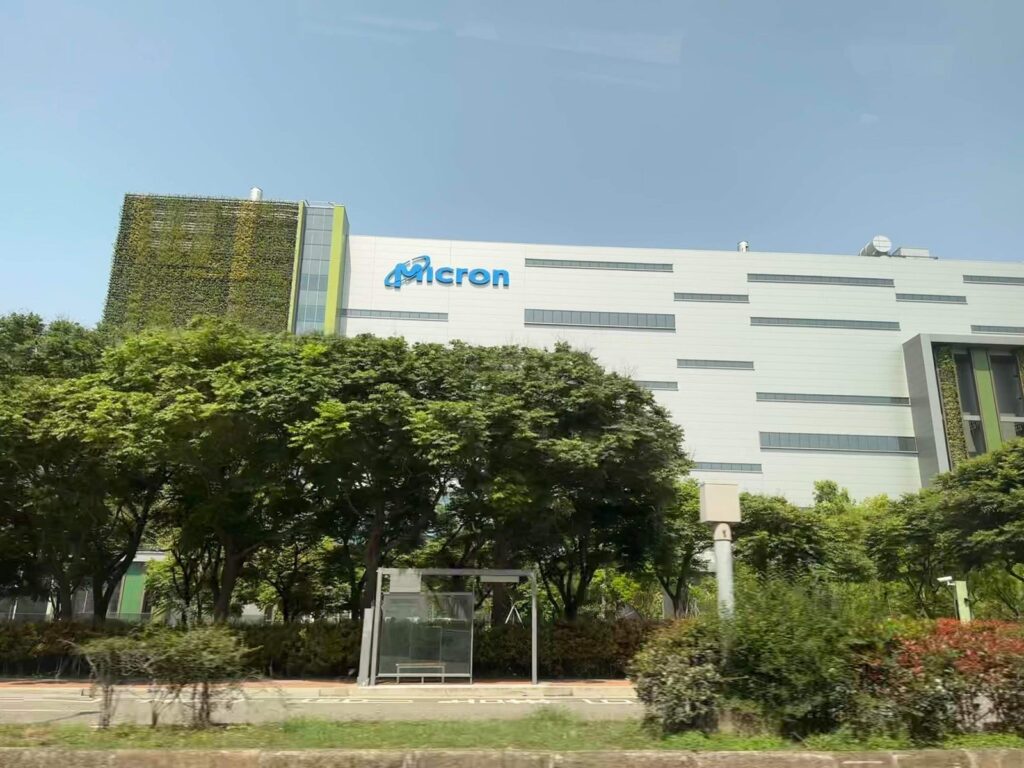
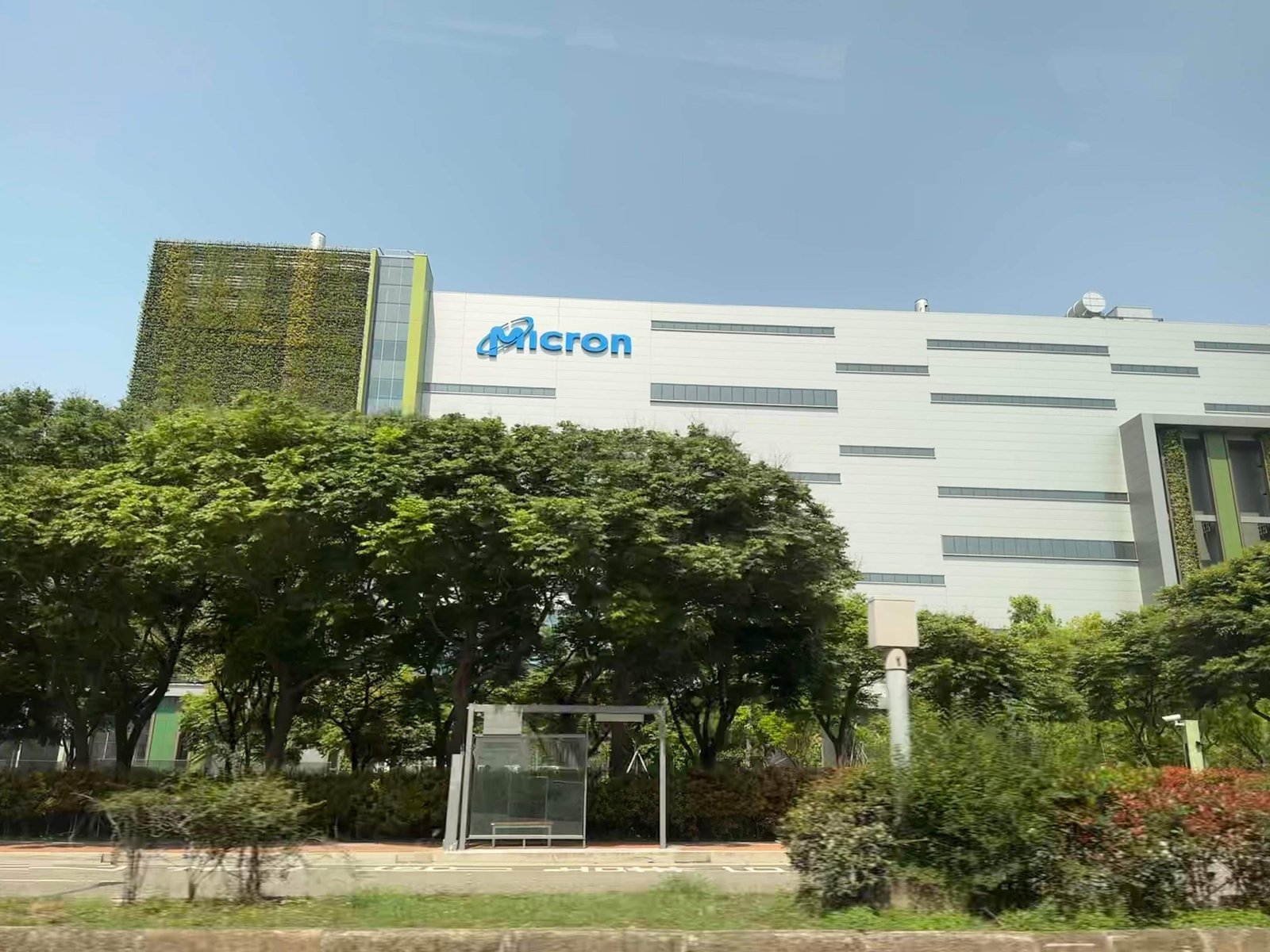
For most of its history, memory has been the least glamorous corner of the chip business: a commodity sold by the gigabyte, priced by the spot market and condemned to a boom-and-bust rhythm that wiped out a long list of manufacturers. The fiscal year Micron closed on 3 September 2026 suggests that rhythm has, at least for now, been broken. On 30 September the Boise, Idaho company reported annual revenue of $133.19 billion, against $37.38 billion a year earlier, and told investors that supply will be tighter in 2027 and 2028 than it was in 2026.
Those numbers matter well beyond one company's shareholders. Memory chips sit inside every server, laptop, smartphone, car and games console, and the same factories that make the high-bandwidth memory used in artificial intelligence accelerators also make the ordinary DRAM and flash that end up in consumer devices. When one market absorbs most of the capacity, the other pays. The question is no longer whether the squeeze is real, but how long it lasts and who carries the cost.
A year that rewrote the economics of memory
The headline figures are extraordinary even by the standards of the current boom. Fourth-quarter revenue reached $54.23 billion, up from $41.46 billion in the previous quarter and $11.32 billion in the same quarter of 2025, which the company described as a 31% sequential and 379% year-on-year increase. Full-year revenue rose 256%. Non-GAAP gross margin was 87.0% in the quarter and 81.1% for the year, roughly 40 percentage points higher than in fiscal 2025. GAAP net income for the year came to $84.97 billion.
Margins of that size are what you expect from software, not from a manufacturer that has to build clean rooms and buy lithography tools. They reflect pricing rather than volume. In the fourth quarter, DRAM revenue was a record $39.8 billion, or 73% of the total; bit shipments rose only in the mid-single digits sequentially, while prices climbed in the high teens. In NAND flash, bits grew about 10% and prices about 30%. According to the prepared remarks, DRAM revenue alone passed $100 billion for the year, and data center SSD revenue was nearly $10 billion in the fourth quarter, more than ten times the figure a year earlier.
Guidance points higher still. For the first quarter of fiscal 2027 the company expects revenue of $61.5 billion, plus or minus $1.5 billion, with a non-GAAP gross margin of about 86.25%. Revenue and earnings per share came in above analysts' estimates, as reported by Investing.com, and chief executive Sanjay Mehrotra framed the year as a beginning rather than a peak: “Micron delivered record fiscal 2026 results, and we expect an even stronger fiscal 2027.”
Why AI workloads swallow wafer capacity
The driver is not simply that data centers buy a lot of memory. It is that the memory artificial intelligence needs is unusually expensive to make. High-bandwidth memory, or HBM, stacks DRAM dies vertically and places them right next to the processor so that data can be fed to the accelerator fast enough. Producing a bit of HBM consumes more wafer capacity than producing a bit of conventional DRAM, an effect the industry calls the trade ratio. Every wafer diverted into HBM therefore removes more than one wafer's worth of ordinary memory from the market.
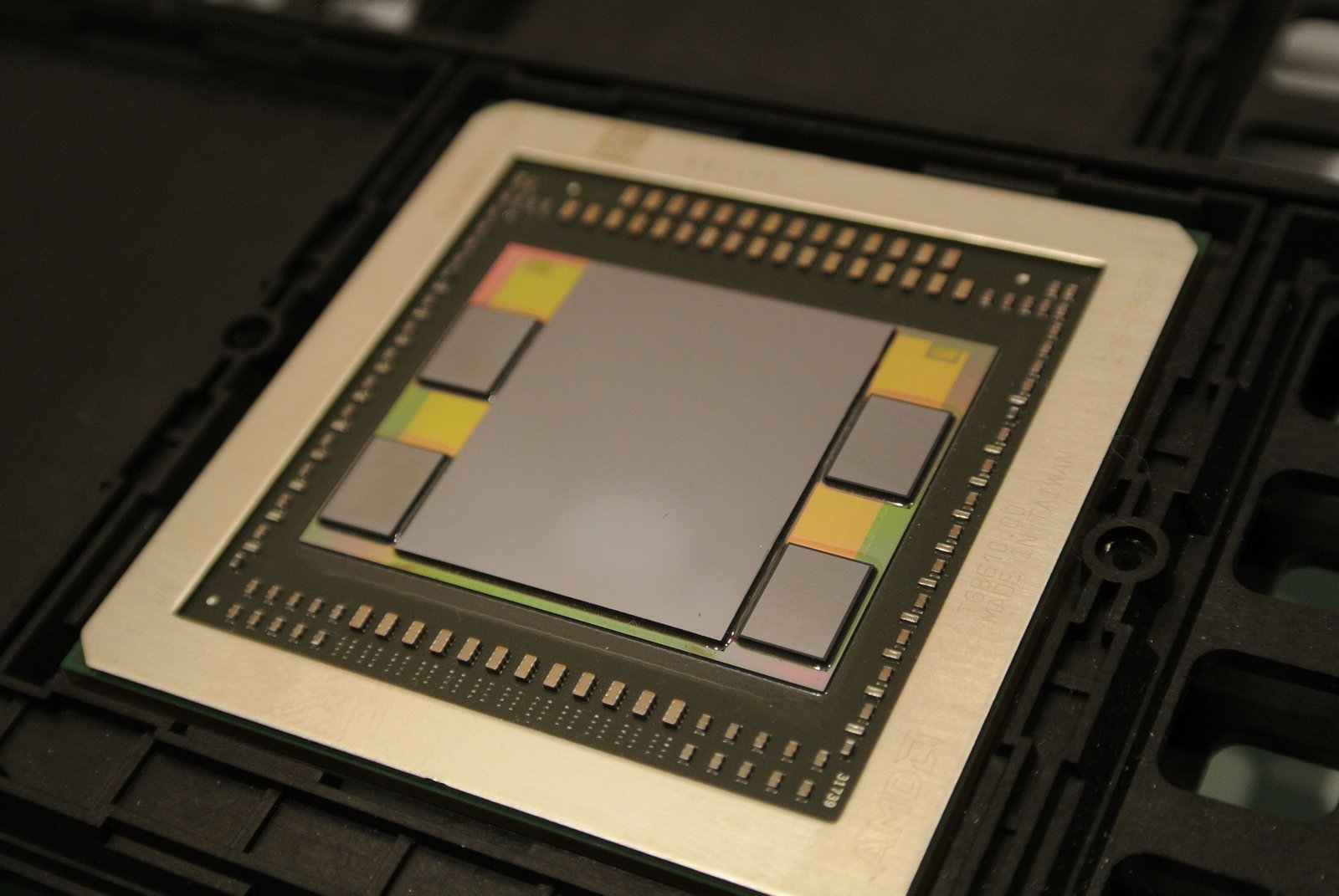
Mehrotra was explicit that this gets harder, not easier, as the industry moves from HBM3E to HBM4 and HBM4E: “with the trade ratio that exists, that again creates headwinds with respect to supply growth,” he told analysts, adding that future node transitions give less productivity gain per wafer as well. Micron says it has already agreed terms for the vast majority of its calendar 2027 HBM supply, at significantly higher prices than in 2026, and that it is working with Nvidia on a custom HBM4E implementation for the next generation of GPUs.
The rest of the industry is moving the same way. Ars Technica, citing Reuters, reported that Samsung executive Kim Taewoo expects HBM to take almost 30% of DRAM makers' wafer capacity in 2027, compared with 20% this year. Demand is not limited to accelerators either: Micron expects server unit shipments to grow in the high teens in both 2026 and 2027, and TrendForce notes that cloud providers are buying more conventional server modules for general-purpose machines running agentic workloads. Longer context windows and more simultaneous users translate directly into more memory per system.
Take-or-pay contracts are changing a boom-and-bust industry
The most consequential change may be contractual rather than technical. Micron has now signed 26 strategic customer agreements, up from 16 a quarter earlier, according to The Herald Business. These are multi-year take-or-pay deals: customers commit to volumes and, in many cases, hand over cash up front. The company says the agreements cover more than 35% of its expected revenue through 2030, that customer financial commitments have risen to $32 billion, most of them cash deposits, and that its remaining performance obligations stand at about $150 billion. Some contracts now run into 2031.
Three quarters of the revenue expected under these deals has a defined pricing framework, mostly bands with a floor and a ceiling; the rest is renegotiated periodically at market prices. More than 75% of Micron‘s 2027 output is already committed across contract and non-contract customers, Mehrotra said, and most current sales conversations are about 2028.

For buyers, this is insurance against being shut out. For memory makers, it trades some upside for predictability, and that trade is already visible. Seoul Economic Daily reported that Micron‘s revenue beat over consensus narrowed to about 6%, against roughly 31% the previous quarter, noting that some in the market attribute part of the smoothing to long-term agreements that lock in supply at negotiated prices. The same paper said Samsung is reportedly seeking to tie 60% to 70% of its memory capacity to such deals. An industry once defined by violent swings is quietly turning into something closer to a utility with long-dated contracts.
Concrete moves slower than demand
If the money is there, why not simply build more factories? Because a memory fab is a multi-year project, and output ramps gradually even after the first wafer comes out. Micron‘s own timetable shows the lag. Its first new fab in Idaho, ID1, is due to start wafer output in mid-2027 and ID2 in late 2028. In Taiwan, the Tongluo facility should deliver meaningful shipments from mid-2027. An HBM advanced packaging plant in Singapore is expected to begin output in early 2027, a new NAND facility there in the second half of 2028, and a DRAM expansion in Japan in late 2028. The first New York fab, which celebrated a concrete-pour milestone last quarter, is not expected to produce wafers until 2030.
Spending is rising accordingly. Net capital expenditure was $27.37 billion in fiscal 2026, and the company expects about $25 billion in the first half of fiscal 2027 alone, with a higher figure in the second half and a growing share going to construction rather than equipment. Even so, Micron forecasts industry DRAM bit shipments to grow only in the low 20s percentage range in 2027 and 2028, with the market supply-constrained in both years, and admits it has no line of sight to when supply and demand will return to balance.
Who pays: PCs, phones and the consumer squeeze
The bill lands on consumer electronics. TrendForce, in an outlook published on 30 September and summarised by Evertiq, expects contract prices for conventional DRAM to rise another 10% to 15% quarter on quarter in the fourth quarter of 2026, and NAND flash 15% to 20%. It says higher memory costs are already weighing on notebook sales and smartphone production, that PC brands are cutting SSD capacities in mainstream models to protect their bill of materials, and that phone makers are living off existing inventories and buying only minimum volumes. TrendForce also warns that PC DRAM supply could decline in 2027 as more capacity moves to servers.
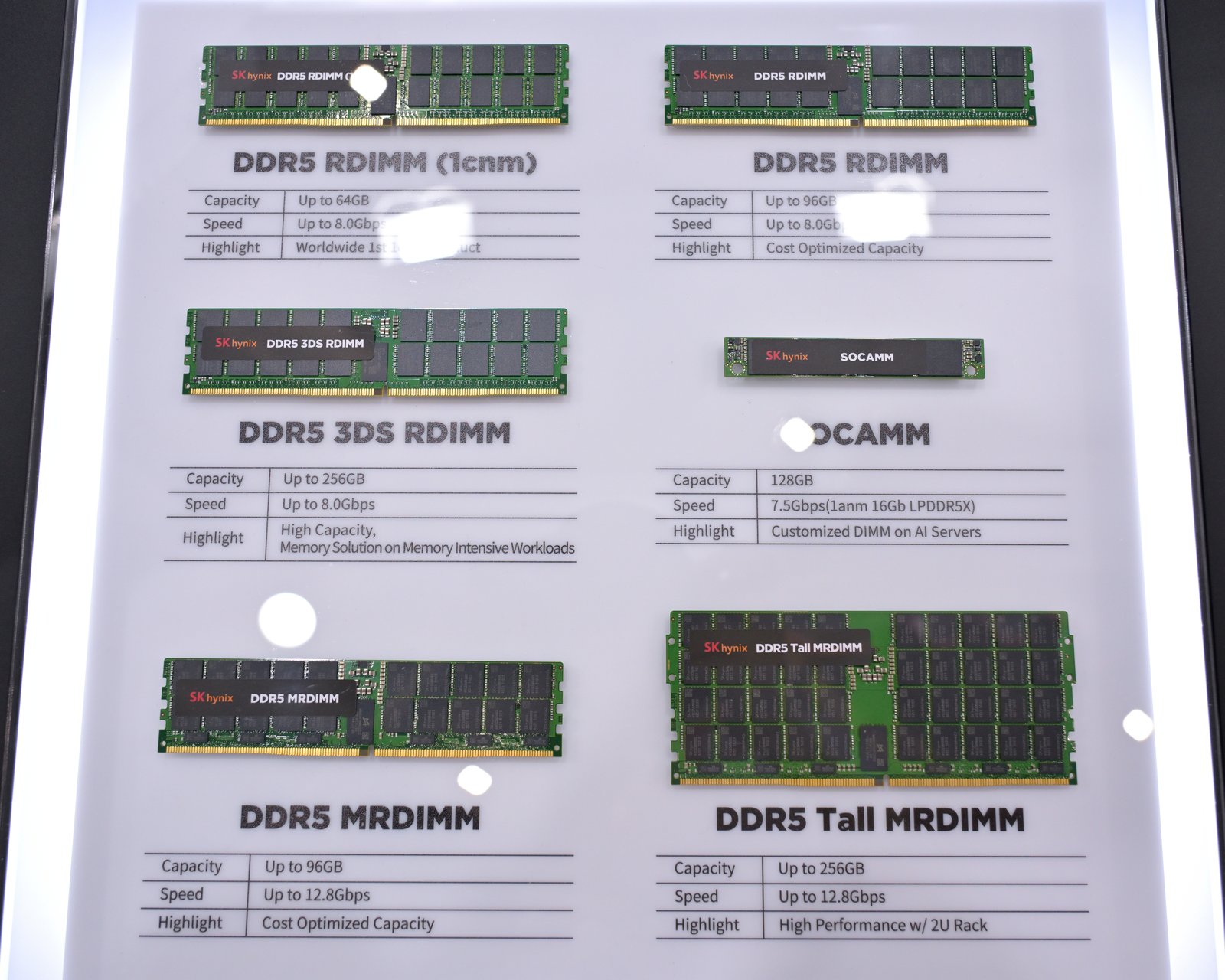
The retail side has felt it for months. Ars Technica notes that the shortage has raised prices of prebuilt PCs, pushed manufacturers to ship lower RAM configurations at higher prices, and lifted prices for smartphones, streaming sticks and games consoles. Micron itself has stepped back from retail: its Crucial brand stopped selling RAM to consumers this year, a change announced in December 2025. IDC estimated in late 2025, as the shortage took hold, that memory accounts for 15% to 20% of the bill of materials of a mid-range smartphone, which is why budget models are the most exposed.
Micron‘s own outlook captures the split. It expects PC and mobile industry revenue to grow this calendar year on the strength of premium devices, despite potential double-digit unit declines in both markets. Put plainly, fewer people are buying devices, but the ones they buy cost more and carry more memory. Samsung illustrates the internal tension: The Herald Business reports that analysts estimate its consumer electronics and smartphone businesses lost more than 2 trillion won again in the third quarter, even as its memory division heads for record profits.
Peak or plateau: what to watch in October
There are early signs that price momentum is fading at the margin. Seoul Economic Daily, citing industry data, reported that the average contract price of a standard 8Gb DDR4 chip reached an all-time high of $26 in September, up from $11.50 in January, but that monthly gains slowed from 14.29% in July to 4.17% in August and 4% in September. A benchmark NAND part rose only 0.44% in September. Spot trading was sluggish at the end of the month. None of this means prices are falling; it suggests consumer markets are close to the limit of what they can absorb.
The next data points arrive quickly. Samsung publishes preliminary third-quarter results on Thursday 8 October, with analysts expecting it to become the first South Korean company to report more than 100 trillion won of quarterly operating profit, although a sharply stronger won has trimmed forecasts. Counterpoint Research puts Samsung's share of HBM revenue at 33% in the second quarter, against 50% for SK hynix, so its HBM4 ramp is a test of competitive balance as well as volume. ASML and TSMC report in mid-October, and Samsung will showcase its memory and storage roadmap at the OCP Global Summit in San Jose from 12 to 15 October, according to Aju Press.
The honest conclusion is that memory has become a strategic bottleneck for artificial intelligence, priced and contracted accordingly, and that new capacity will not change that before 2028. For semiconductors as a whole, the risk has shifted from a glut to concentration: a handful of suppliers, a handful of very large buyers and long contracts between them. For everyone else, the practical advice is unglamorous. If you need a laptop, phone or memory upgrade, do not plan around memory prices falling back to where they stood at the start of 2026 any time soon.
Sources
- Micron Technology: Reports Record Fiscal Fourth-Quarter and Full-Year 2026 Results (30 September 2026)
- Micron Technology Q4 fiscal 2026 earnings call transcript (Stock Analysis, 30 September 2026)
- Investing.com: Micron tops Q4 2026 estimates as AI demand stays hot
- Ars Technica: Memory executives expect RAM shortage to continue through 2028 (1 October 2026)
- Evertiq: AI keeps memory prices climbing in Q4 as consumer demand weakens (2 October 2026, TrendForce data)
- Seoul Economic Daily: Memory price gains slow sharply, raising peak-cycle questions (3 October 2026)
- The Herald Business: Samsung Electronics set to break W100tr quarterly operating profit barrier for first time (6 October 2026)
- Aju Press: Samsung earnings kick off key October for chip industry (5 October 2026)
- IDC: Global memory shortage crisis and the potential impact on the smartphone and PC markets