
Table of Contents
ToggleThe Rise of Fyodor Dostoevsky among Generation Z
White Nights, the novella by Fyodor Dostoevsky first published in 1848, has emerged as a prominent literary favorite among Generation Z. Discussions surrounding this classic Russian work have gained tremendous traction on TikTok, captivating users across the platform.
Emotional Resonance in TikTok Posts
The introspective lament of the novel's narrator, a young man from St. Petersburg, resonates widely: “My God, how could I have thought it? How could I have been so blind, when everything had been taken by another already, when nothing was mine?” TikTok users, both earnest and performative, utilize this quote to express their initial encounters with Dostoevsky, showcasing his status as a timeless literary figure.
A New Wave of Intellectual Influencers
With the rise of content quoting French sociologist Pierre Bourdieu, many young users have become adept at navigating concepts of economic, social, and cultural capital. Social media platforms are now layered with diverse content ranging from skincare routines to substantive philosophical discussions. The intellectual influencer has emerged as a new authority figure, inspiring followers to pursue knowledge rather than material goods.
The Allure of Intellectual Aptitude
In a digital era marked by an overwhelming desire for enlightenment, these influencers provide frameworks for thoughtful consideration rather than merely promoting products. Their content promotes the idea that intellectual activity is gratifying. By sharing book recommendations, they spark discussions that extend beyond immediate consumption; followers often respond positively, expressing gratitude for newfound insights.
Shifting Trends in Social Media Content
The landscape of intellectual content on social media has diversified dramatically. From niche academics on YouTube to writers wielding powerful newsletters, the platforms serve various audiences. Data from BookTok reveals that 59% of users aged 16 to 25 credit intellectual influencers with igniting their interest in literature. The hashtag #intellectualinfluencer amassed over 370 billion views and 52 million videos in 2025.
Brands Respond to Changing Interests
Victoria Ballester, a 19-year-old student, observes that this surge in interest towards sophisticated topics is fueled by a growing discomfort with unproductive online consumption. Users derive satisfaction from engaging intellectually, even if it means merely adding a book list to their reading goals. This inclination is not confined to a niche; it reflects a broader audience seeking depth in a world increasingly characterized by superficial content.
Fashion Brands Embrace Literary Culture
Brands like Bottega Veneta and Prada have recognized this trend, collaborating with authors to create meaningful content. Zadie Smith's involvement in Bottega Veneta's Craft Is Our Language campaign exemplifies this shift towards valuing intellectual resonance. In 2025, Prada enlisted Ottessa Moshfegh to craft an original piece of fiction for their campaign, signifying the merging of luxury branding with literary endeavors.
The Aesthetic Shift in Reading
The culture around books has also transformed into a fashionable aesthetic. High-profile celebrities like Dua Lipa and Reese Witherspoon turn books into bestsellers through their endorsements. Carrying classic literature like Dostoevsky's The Brothers Karamazov in a transparent tote has become a status symbol among students, signifying a blend of intellect and taste.
The Privilege of Reading
Amidst an age of distraction, being seen with a book communicates much about one's identity. Reading now signifies privilege, as many struggle with basic comprehension, according to recent PISA results. The challenge of reading has elevated books into desirable objects, establishing reading as an activity tied to character and sophistication.
The Environment of Thoughtful Aesthetics
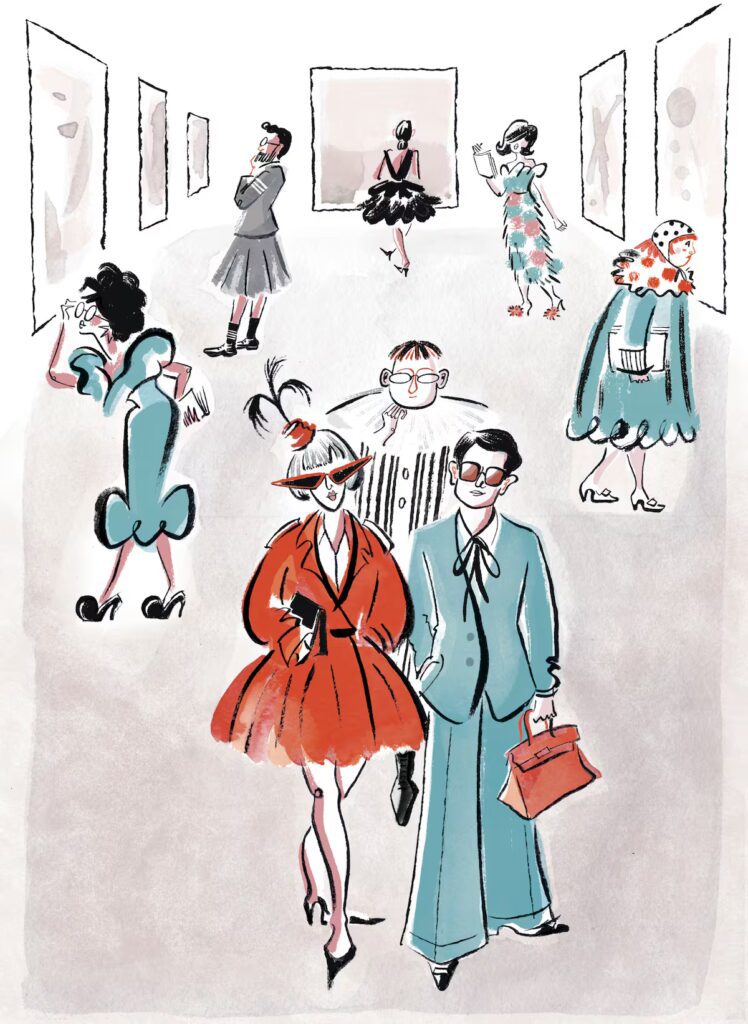
Intellectual influencers' online presence is sharply defined by their aesthetics. Posts typically feature well-organized bookshelves, handwritten notes, and serene settings illuminated by warm light. They intentionally craft an atmosphere of elegance to inspire trust in their wisdom. Audiences expect substance that matches this visual presentation, demanding more than mere performance.