Table of Contents
ToggleAustralia Enforces New Law Restricting Social Media Access for Minors
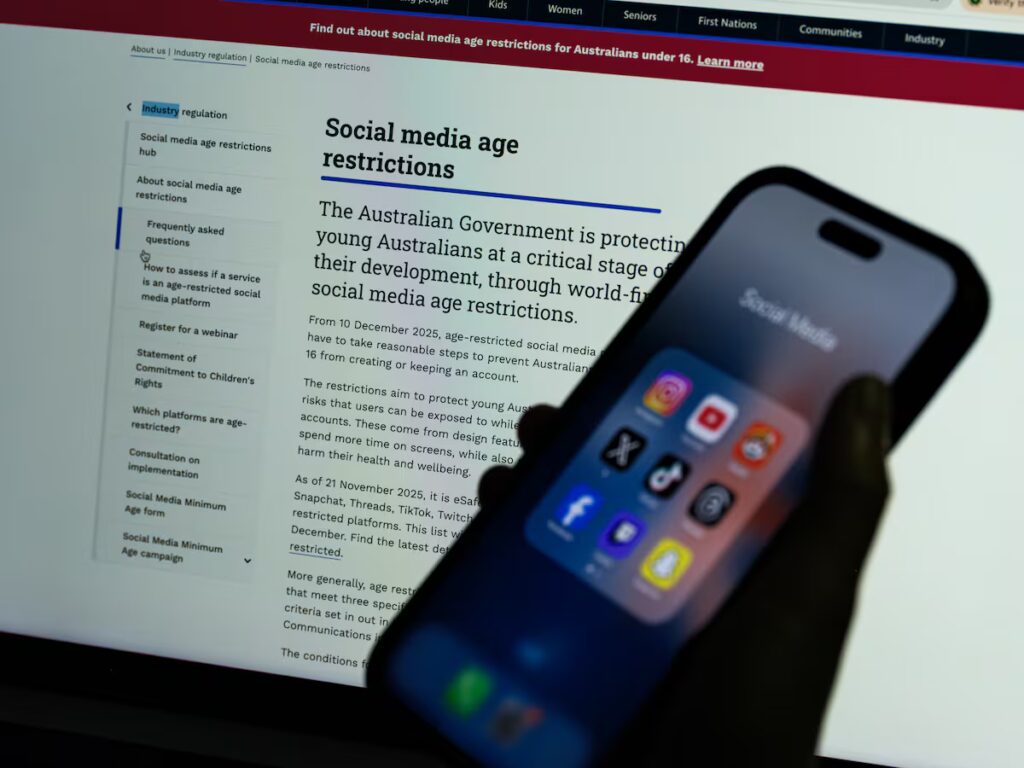
On Wednesday, Australian teenagers woke up to a significant change: a new law prohibiting access to several social media platforms, including Instagram, TikTok, and Snapchat, for those under 16 years old. This pioneering legislation has garnered praise from the Labor Government and parents but has faced criticism from some young users eager to find ways around the restrictions.
Government's Perspective on the New Legislation
Prime Minister Anthony Albanese described the law as a transformative moment for Australia, stating, “This is one of the biggest social and cultural changes our nation has ever faced.” He emphasized that the reform will positively impact both current and future generations. Fines of up to 49.5 million Australian dollars (approximately 30 million euros) are stipulated for the platforms violating the new law, which includes Instagram, Facebook, and Threads. Albanese remarked, “It's important to stand up to big technology and say that social media companies have a social responsibility.”
Reactions from Young Australians
Responses among students have been mixed, with some displaying apathy towards the changes. James Easy, a history teacher at North Sydney Boys, noted that discussions about the new law were minimal as students focused on upcoming exams. He highlighted how students might still access TikTok and YouTube without logging in, suggesting they were not overly concerned about the new restrictions.
In contrast, 15-year-old Darcy F. viewed the law as an “opportunity to disengage from the reels” on Instagram but expressed concern about losing his Snapchat contacts. His friend, Patrick C., mentioned discussions among peers about using VPNs to bypass the restrictions, indicating a willingness to adapt. However, their primary focus remained on summer plans and recreational activities.
Teenage Ingenuity and Digital Safety
Despite the law's implementation, some teenagers have already reported methods to bypass verification processes on Snapchat and TikTok. Digital Safety Commissioner Julie Inman Grant commented on these teenage attempts, saying, “These isolated cases of creativity will continue, but we are committed to a long-term solution.” A recent report indicated that 95% of Australian teenagers aged 13 to 15 used social media last year, while 80% of children aged 8 to 13 reported similar usage patterns.
Reactions from Social Media Platforms
The recent law has also encountered resistance from some social media companies. Notably, the platform *X* (formerly Twitter) declined to clarify its compliance with the new verification requirements, citing that it is a stipulation of Australian law. This follows the platform owner's previous disapproval of the legislation.
Public and Legal Reactions
A recent YouGov poll indicated that 77% of Australians supported the law when it was passed in parliament last November. However, public sentiment may shift in light of a legal challenge by two 15-year-olds, Macy Neyland and Noah Jones, who filed a lawsuit with the Australian Supreme Court. They argue that the law infringes upon teenagers' constitutional rights to freedom of political communication. The court is expected to hear their case between January and February next year.