
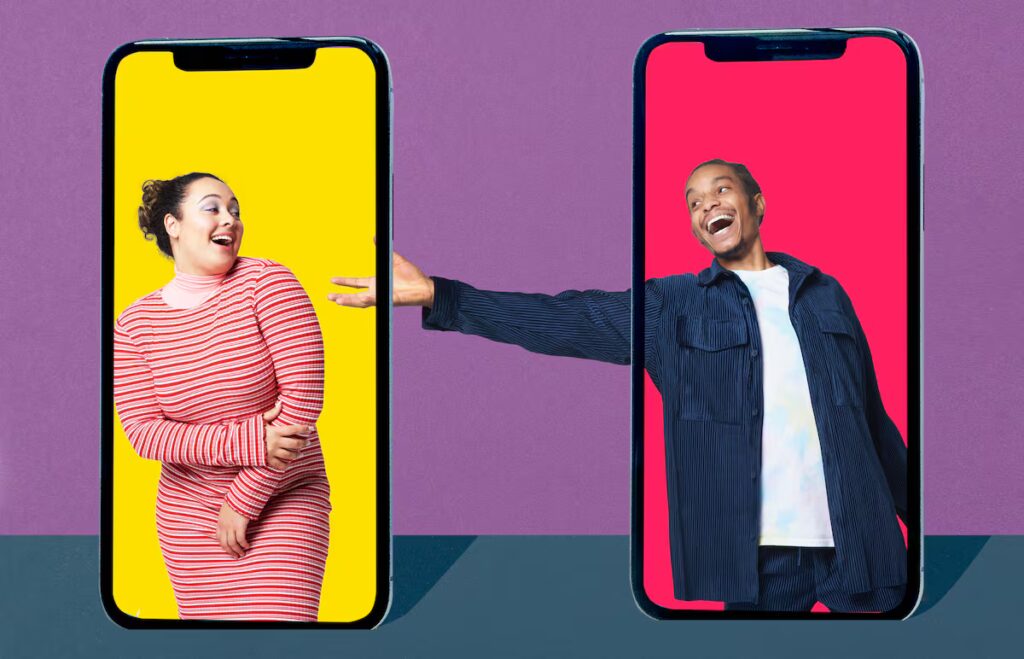
On a typical night, a user in the r/horror subreddit discusses a film, initiating a dialogue that seems purely platonic and centered around their mutual love for horror movies. Days later, that conversation escalates into private messages, and soon, these two individuals find themselves sharing personal stories beyond just film recommendations. Over time, and possibly after meeting in person, this online interaction blossoms into a full-fledged relationship.
Such narratives—casual yet significant—are increasingly being observed on digital platforms not primarily designed for dating, but rather for sharing cultural interests and passions. This phenomenon, described as “taste matching,” allows people to form emotional connections based on shared likes rather than curated images or profiles. Users engage in various platforms, from Goodreads and Wattpad to online gaming and social media, where friendships can develop naturally and organically.
Table of Contents
ToggleNavigating Dating Apps
Many individuals feel as though they are navigating a crowded marketplace when using dating apps, where they are reduced to profiles featuring only photographs and brief bios. This superficial approach can be exhausting, often leading to disappointing encounters. Luis Ayuso, a Sociology professor at the University of Málaga and a researcher on intimacy in the digital age, highlights the shift toward forming genuine connections outside traditional dating platforms. “The speed and superficiality of these apps can lead to trivial, short-lived, or purely physical relationships, prompting a desire for deeper connections,” he explains.
As digitalization alters social interaction spaces, new environments are emerging for meeting potential partners. Cultural platforms, social media, and even local gyms have evolved into venues for socialization, offering a fresh approach to finding romantic connections.
Cultural Spaces and Natural Connections
In these settings, the pressure to conform to conventional dating norms diminishes. For psychologist and couples therapist Cristina Rocafort, this non-competitive atmosphere fosters more authentic relationships. “When people engage in cultural environments, they don't enter with preconceived notions of ‘I want a relationship,'” she states. “This lack of intention cultivates an element of mystery reminiscent of pre-digital interactions.”
Shared interests often take precedence over appearance, making platforms appealing to individuals who may find traditional dating apps daunting. Rocafort notes, “Over-30s particularly tend to feel uncomfortable on appearance-based platforms.” Meeting others through mutual interests removes the frivolity often associated with traditional dating apps.
Maria's experience reflects this sentiment; she met her first boyfriend through YouTube by discussing music. Their initial connection centered around shared tastes, allowing natural interactions to flourish. “Expectations became neutralized, and everything just flowed,” she recalls.
Intimacy: A Deeper Exploration
Rocafort argues that relationships beginning with shared cultural interests can differ significantly from those rooted in physical attraction. “While the initiation may vary, both types of relationships require effort to achieve intimacy,” she points out. For instance, although connections that stem from physical attraction may start with sexual chemistry, individuals will still need to explore commonalities to develop a deeper bond.
Ayuso adds that sharing cultural references offers stability in communication. “In our digital society, the quality of communication can suffer despite easy access. Recognizing shared tastes provides a sturdy foundation for engaging conversations,” she states.
The Role of Distance and Written Communication
Written communication fosters a unique dynamic that may enhance intimacy, though it can also pave the way for idealization. “Distance allows for a sense of protection, but deeper intimacy often requires real-life interaction,” Rocafort notes. Sonia, who fell in love at 16 through an anime forum, later faced challenges when they met in person, revealing differences in their life dynamics and expectations.
Writing can lead to an impression of safety, yet it also encourages individuals to create idealized versions of each other. Sonia reflects on a connection made over literary discussions on Instagram, only to find that the reality did not match her expectations. “What felt like a genuine cultural exchange turned out to be superficial,” she admits.
Authenticity vs. Performance
The experiences of others illustrate that not all digital interactions lead to disappointment. Lali, who met her partner via Twitter discussions on reality TV during the pandemic, discovered a deeper compatibility. They eventually moved in together after building their relationship through authentic interactions, contrasting sharply with the prefabricated persona often seen on dating apps. “The naturalness of our interactions felt absent in traditional dating platforms,” Lali explains.
Emergence of ‘Slow Love'
Lali's narrative exemplifies what anthropologist Helen Fisher describes as “slow love.” Ayuso underscores this trend as a response to the fast-paced nature of apps like Tinder. Rather than rejecting digital interactions entirely, individuals seek a different rhythm in forming connections. “Adapting to changes in how we relate to each other takes time, and there are no guaranteed paths to building relationships,” he states.
In conclusion, while digital platforms transform the landscape of romantic connections, the fundamental elements of communication, care, and presence remain perennial necessities for fostering lasting relationships.