
Table of Contents
ToggleBooks as a Lens to Understand Technology
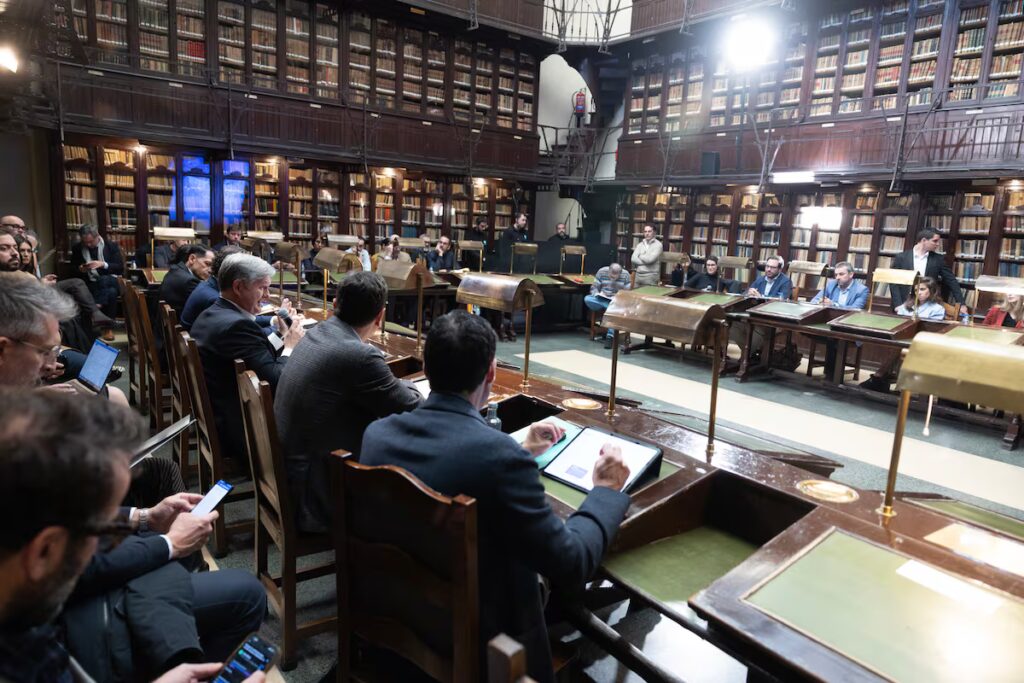
The Retina Observatory continues its tradition of using cultural elements to elucidate technological themes. This time, the focus is on literature. With 25 years of reflection under their belt, the observatory revisits influential texts, assessing their relevance in today's context. The first notable book chosen for this critique is The End of History and the Last Man by American political scientist Francis Fukuyama, published in 1992.
The Dream of Liberal Democracy
Fukuyama's premise suggested that traditional power blocs were fading, heralding a new era where liberal democracies would flourish globally. However, contemporary critiques contrast sharply with this optimistic outlook. Peter Thiel, a prominent figure in Silicon Valley, argues that “freedom and democracy are no longer compatible,” raising questions about the very nature of Western values. As Jaime García Cantero, director of Retina, aptly points out, understanding what constitutes the West is crucial moving forward.
Challenging Prevailing Theories
Another book under scrutiny is The Earth is Flat (2006) by influential journalist Thomas L. Friedman. His vision depicted a world without barriers, where globalization reshaped corporate operations. This ideal has since collapsed, making room for the concept of strategic autonomy. Similarly criticized is Nicholas Carr's Does IT Matter? Information Technologies (2005), which mistakenly downplayed the significance of Information and Communication Technologies (ICT), equating their impact to that of electricity or railroads in their time.
Current Debates in Literature
On a higher shelf, Infrastructure is Destiny (2024) by OpenAI explores the future of processing and creativity. Meanwhile, The End of Work (2010) by political analyst Jeremy Rifkin presents a controversial neoliberal perspective, suggesting a shift towards a workerless economy. Rifkin posits a future where reality will challenge civilization, offering both a potential threat and an opportunity for profound social change.
Future Outlooks on Employment
With rapid advancements in technology, discussions surrounding the future of work become increasingly important. Rifkin notes, “We are entering a new era of global markets and automated production.” This transformation raises critical questions about how society prepares for the post-market landscape following the Third Industrial Revolution.
New Perspectives on Automation
Among the highlighted works is Fully Automated Luxury Communism (2021) by Aaron Bastani, which examines the social implications of automation rather than its labor market consequences. In contrast, Steven Pinker's The Better Angels of Our Nature (2012) anticipated a peaceful 21st century, emphasizing human progress and rational optimism, though it now faces scrutiny.
Emerging Critiques
Lastly, Enshitfication (2025) by Cory Doctorow introduces the concept of the “shitdocene,” wherein essential services have become inundated with negativity. This term resonates particularly with users of social media platforms, who have observed the rise of trolls and extremist content overwhelming meaningful discourse.