
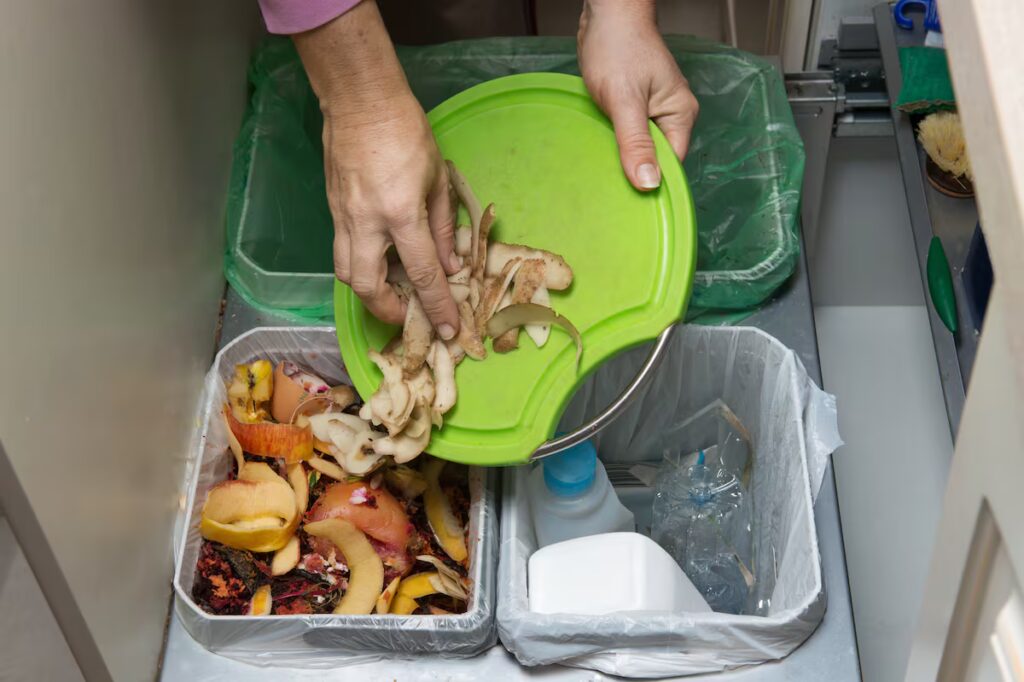
For over two years, I've consistently separated food scraps from my household waste through a municipal organic waste processing program in my town. This initiative converts organic materials into compost, which is distributed among those who participate.
Recently, I tested a device that enhances this process at home: the Dreame SF25 organic waste disposer. In just a few hours, it reduces waste to a fine powder. All I need to do is place fruit peels, bones, and leftovers into the machine and press a button. The device grinds, dries, and dehydrates the waste using heat, resulting in a dry, odorless powder that can be mixed with plant matter like dried leaves. The entire process takes a maximum of six hours, depending on the quantity of waste, and the machine automatically calculates the remaining time based on the weight of the scraps.
After accumulating approximately five liters of this powder, I combine it with dry leaves in a rotating composter from the Outsunny brand. This model enables aeration without manual stirring. I anticipate having a significant amount of compost ready to fertilize my plants in a few weeks. Meanwhile, I continue pulverizing my organic waste and depositing it in the community composting program, reducing the frequency of trips to the disposal site since the waste takes up less space and doesn't emit odors.
This experience has prompted me to explore other technological solutions for effective household waste management to reduce pollution. Here are several options available to enhance waste management.
Table of Contents
ToggleReduce Waste Before It Exists
One effective method to minimize waste is by planning purchases more effectively, thereby reducing the amount generated in the first place. Several applications can analyze your stock at home, identify products with excessive packaging, and suggest alternatives with less plastic.
Apps like Yuka, Buycott, and My Little Plastic Footprint allow users to scan products to evaluate their environmental impact and receive recommendations for more sustainable choices, such as bulk products or those with recyclable packaging.
Reduce Food Waste
Staying aware of what's in the fridge and pantry, checking expiration dates, and consuming food before it spoils are crucial steps in minimizing food waste.
Smart refrigerators, like the Samsung Family Hub and LG InstaView, help maintain a visual inventory of food items and suggest recipes for items nearing their expiration. Additionally, kitchen robots such as Thermomix and Monsieur Cuisine recommend recipes based on specific ingredients. Mobile applications like NoWaste, KitchenPal, and Fridgely enable users to log their purchases and receive alerts when food items are approaching spoilage.
Recycle Effectively
If you have uncertainties about the disposal of different waste types, technology can simplify proper separation. Smart trash cans, like those from Townew or Bruno Smartcan, are equipped with sensors to identify the waste type (organic, packaging, or paper) through weight, shape, or cameras, alerting users in case of errors.
Moreover, applications like Ecoembes Recycle, RecyclApp, and Recycle Coach allow users to scan product barcodes or enter product names to learn about recycling options, including the appropriate bins for disposal.
Changing Habits
Beyond assisting in separation and recycling, technology can help quantify waste production and encourage habit changes. Applications like Waste Log and JouleBug track the number of garbage bags taken out weekly, detailing the proportions of organic waste, packaging, and others. They also illustrate this data in terms of CO₂ emissions and allow comparisons with households of similar characteristics.
Technology as an Ally
While these tools alone won't resolve the waste management issue, they can lower barriers, simplify decision-making, and highlight what typically disappears after closing a garbage bag. Starting to process organic waste at home has triggered me to rethink my approach to waste and decision-making, representing a preliminary step in making waste management more visible and manageable.