
Table of Contents
ToggleThe Intersection of Health and Conspiracy: Unpacking “Conspirituality”
The emergence of health influencers discussing topics like the Epstein files raises intriguing questions. Why are advocates of whole foods promoting messages to “escape the Matrix”? The term conspirituality encapsulates this blend of health and wellness culture with conspiracy theories, as articulated in a recent book by the same name.
Understanding Conspirituality
Published in 2023 by PublicAffairs, Conspirituality: How New Age Conspiracy Theories Became a Health Threat explores a movement characterized by a lack of formal membership. This group is composed of individuals drawn to self-care products and conspiratorial political ideologies, united by a quest for personal improvement while being attuned to societal dynamics of power and control. The authors argue that they are passionate about identifying patterns and believe they can “wake up” to the truth through alternative means.
The Authors' Insights
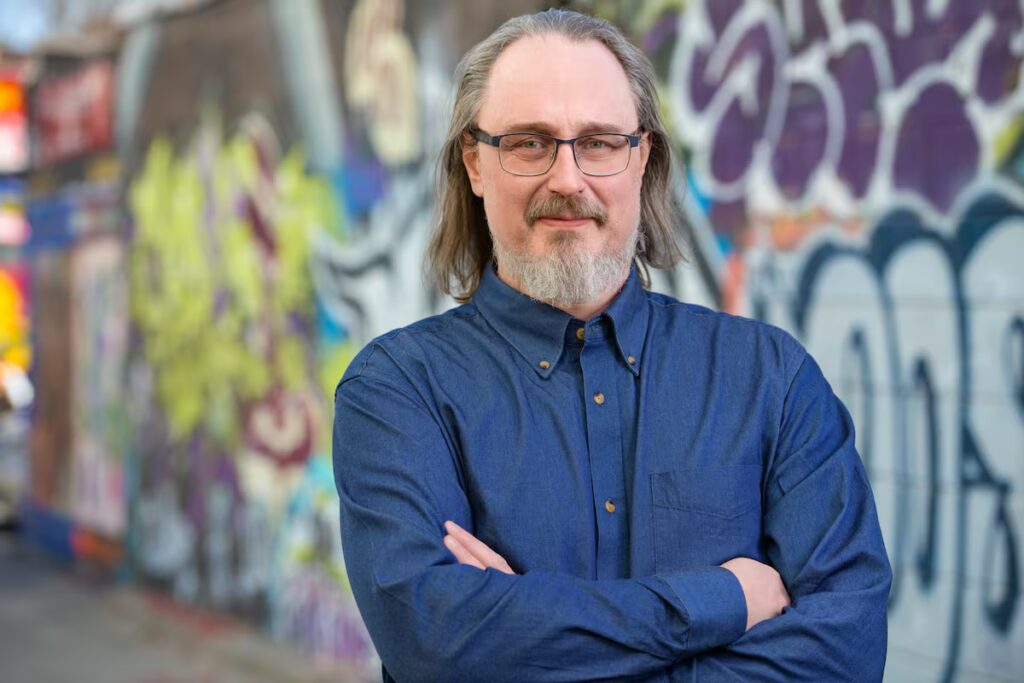
The book was penned by three authors, including Matthew Remski, a yoga practitioner who has observed the infiltration of conspiracy theories into wellness communities. In a recent video call, Remski described conspirituality as a “quasi-political” viewpoint that absorbs right-wing ideologies, including fascism, while also maintaining a passive stance towards societal issues.
Vulnerability to Conspiracy Narratives
When asked about the profiles more susceptible to conspiracy theories, Remski noted that right-wing evangelical Christians often resonate with apocalyptic spirituality. He also attributed the rise of conspirituality to individuals in challenging life circumstances—those facing chronic illnesses, personal losses, or marginal employment—who find solace in spiritual frameworks that require little actionable commitment.
Diagnosing the Issues
Remski emphasized that while some conspiracy theories may contain elements of truth, their interpretations can be deeply flawed. For instance, the narrative of an elite network controlling societal aspects may be valid, but is often mischaracterized as a metaphysical struggle rather than a critique of systemic capitalism.
Capitalism and Individualism
Conspiritualists often propose that everything is part of a master plan, a notion Refuted by the chaotic nature of capitalism. Remski explained that capitalism generates inevitable disparities, fostering predators at the top rungs of society. He warned that conspiratorial narratives can obscure the individualism inherent in wellness culture, which is often resistant to community-driven solutions.
Historical Context of Yoga and Fascism
Delving into the history of yoga, Remski pointed out that in the 1920s, certain nationalist groups in India adapted yoga as a fitness model reflective of colonial influences. This led to a complex intertwining of yoga with proto-nationalist ideals, which persisted into modern times with certain yoga influencers aligning with Hindu nationalist principles.
The Concern of Pseudoscience
Today, yoga culture often manifests subtle fascist overtones, particularly regarding discussions on gender purity and vaccine skepticism. Remski identifies three gateways to proto-fascist ideologies within yoga: the gender essentialism, notions of purification, and the pervasive culture of pseudoscience, all of which can diminish resistance to right-wing views.
Vaccine Skepticism and Public Health
Remski highlighted that the anti-vaccine movement is heavily rooted in conspiracy, traced back to discredited claims connecting vaccines to autism. This narrative resonates with those in the wellness community who perceive vaccination as an infringement on bodily autonomy. The rise of vaccine skepticism has serious implications for public health, exacerbated by declining vaccination rates and the resurgence of preventable diseases.
Addressing Conspirituality
Effective countermeasures against conspiratorial narratives must address the underlying social conditions that enable them to flourish. Remski emphasizes the need to improve material conditions influenced by late-stage capitalism and governmental neglect in healthcare, while acknowledging the diminished capacity for rational discourse in public health discussions.