Table of Contents
ToggleToo Good To Go: A Leader in Combating Food Waste
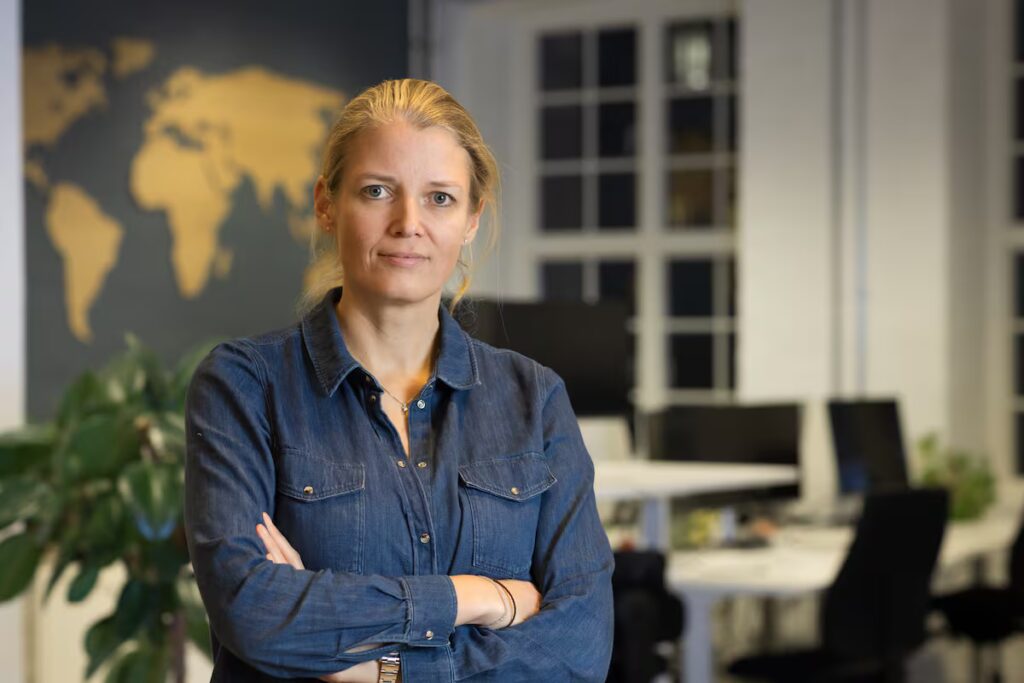
Your company is a calling unicorn—one of the most successful start-ups in Europe. Mette Lykke, 45, from Ringkøbing, Denmark, is at the helm of Too Good To Go, an innovative platform that connects restaurants and supermarkets with consumers eager to rescue surplus food at reduced prices. Operating in 21 countries, Too Good To Go boasts 130 million users and has saved over 500 million meals. Lykke views food waste as a significant anomaly of our time, noting that 40% of food produced is wasted, a problem that contributes to 10% of global emissions. At her company headquarters in Copenhagen, she expresses satisfaction with the new law aimed at reducing food waste in Spain, set to take effect Friday.
Impact of Spain's New Law Against Food Waste
Q: What do you anticipate from this new regulation?
A: Spain is now the third European country to implement such a law. This represents a structural change, mandating that large stores collaborate with social organizations to donate food and develop a clear plan for reducing waste. Each year, millions of tons of food go to waste in Spain—something must change.
The Absurdity of Food Waste
Q: It may sound naive, but how is it possible that 40% of food produced globally is lost?
A: It's a scandalous and absurd problem. We produce more than enough food for everyone, yet millions go to bed hungry. Economically, we waste a trillion euros worth of good food annually. I struggle to understand it as well.
The Challenges of Waste Reduction
Q: Other climate issues have garnered significant attention. Why not food waste?
A: The food supply chain is long and complicated, with many opportunities for waste at each stage. There is no single solution; reducing food waste involves various stakeholders, including consumers, businesses, and political leaders. In Spain, about 40% of waste occurs in households, but consumers cannot shoulder the blame alone.
“My grandmothers saved even half a leftover egg yolk. We throw food away without hesitation now.”
Q: Why is reducing household waste so challenging?
A: People are often too forgiving of everyday unpredictability. You may buy ingredients for dinner, only to choose to eat out instead. Kids might not like what's cooked, leading to food being tossed. Food is often discarded more easily than other items.
Q: So, we waste food more casually than other things?
A: Yes, partly due to its price. Compared to the past, food is more affordable, even considering current inflation. My grandmothers, who experienced World War II, saved every bit of food. Today, we disregard it with little thought. Our mission is to restore respect for food and its value.
Food Waste Goals and Future Outlook
Q: The UN's sustainable development goals aim to halve food waste by 2030. Are we on track?
A: I don't see that as realistic. Some countries have already lowered their ambitions, and overall global waste continues to grow, which is the real issue.
The Success of Too Good To Go
Q: As Too Good To Go approaches its tenth anniversary, what contributes to its success?
A: Our model is unique in that all parties benefit, which is rare in today's economic landscape. Consumers save money while also feeling they are making a positive impact. Businesses can generate revenue from products that would otherwise be wasted.
Mette Lykke's Journey
Q: Can you recall your first job?
A: Yes, I cleaned bathrooms at my grandfather's building materials store when I was just 12. I couldn't work the cash register, but I learned essential lessons about timing, work ethic, and responsibility.
Q: Before Too Good To Go, you founded the sports training app Endomondo, sold for approximately 100 million euros. Did you consider retirement?
A: No, not at all. This venture is not about earning money for me. It's about creating a lasting impact that improves lives.
Concerns for the Environmental Agenda
Q: With multiple crises ongoing, do you fear the environmental agenda will take a backseat?
A: Yes. In times of conflict and crisis, climate issues often receive less focus, but the problems remain. Delaying action only exacerbates the situation, and that worries me as both a citizen and a mother.
A Vision for the Future
Q: You envision a world without food waste. Is that realistic?
A: That is our aspiration, but I won't pretend it's achievable in the near term. It may be a nearly impossible goal. However, it is this ambition that drives our efforts to continue making progress.