
Table of Contents
ToggleThe Data Revolution in Modern Vehicles
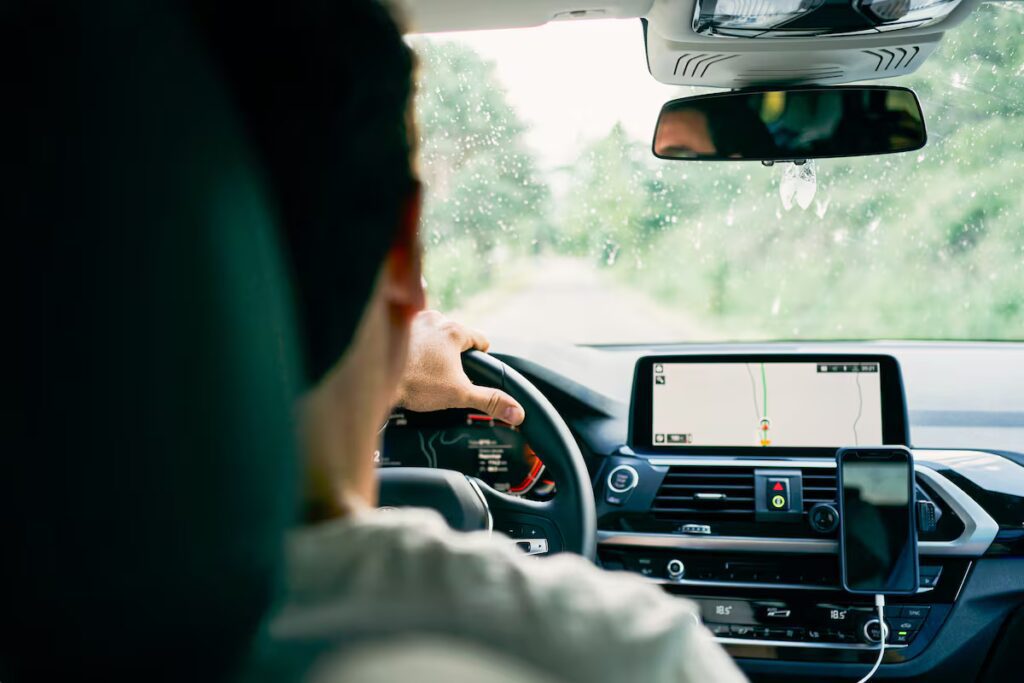
Sensors, cameras, constant Internet access, real-time GPS, microphones, and telematics systems have transformed cars from mere transportation devices into sophisticated computers on wheels. Today, vehicles operate as data-generating machines, capable of continuously producing and transmitting vast amounts of information. Remarkably, your car knows more about your daily life than you might think.
Data Generation in Connected Vehicles
Research indicates that a modern connected vehicle can generate up to 25 gigabytes of data per hour. This data encompasses a variety of aspects of a driver's routine, including:
- Real-time routes and location tracking
- Driving behavior metrics like speed, braking, and acceleration patterns
- Vehicle diagnostics such as engine health, tire wear, and brake pressure
- Interactions with the infotainment system, including searches, calls, and music
- Information from connected networks and devices within the vehicle
Beyond pinpointing your destinations, vehicles can also track your habits, including frequent dining locations, parking spots, time spent driving at night, peak usage days, and even travel companions.
The Purpose Behind Vehicle Data Collection
This extensive range of data serves multiple purposes beyond basic diagnostics and navigation assistance. A significant portion is utilized to enhance the driver experience and improve vehicle safety. Innovations enabled by this data collection include:
- Remote software updates (over-the-air or OTA)
- Preventive maintenance alerts
- Advanced driving assistance systems
- Continual safety improvements based on real-world usage data
The vehicle has evolved into a platform that can self-correct issues and gain new functionalities without requiring a trip to the mechanic. Additionally, data aids in route optimization, real-time traffic updates, and nearby service recommendations, contributing to a more efficient and sustainable driving experience.
Impact on the Insurance Industry
The insurance sector is capitalizing on the connectivity of vehicles as well, utilizing data for more accurate risk assessments. Some companies provide policies based on actual vehicle use, termed telematics insurance or usage-based insurance. This model adjusts premiums according to driving behaviors. Safe driving practices, such as adhering to speed limits and avoiding sudden maneuvers, may lead to discounted rates, while risky behavior can result in higher premiums.
Although this innovative insurance model is not yet widespread in Spain, it is already offered by major insurers and is predominantly used in corporate fleets, emphasizing cost control and accident mitigation.
The Ecosystem Surrounding Connected Cars
Additionally, a whole ecosystem has formed around connected cars, involving component manufacturers, navigation service providers, fleet managers, digital service firms, and specialists in data analysis and commercialization. Intermediaries may create driving profiles that can be shared with third parties, including marketing agencies and data brokers. This practice raises ongoing debates about the privacy implications and the level of control drivers have over the data generated by their vehicles.
Privacy Concerns
In Europe, the General Data Protection Regulation (GDPR) classifies this information as personal data due to its association with identifiable individuals. Its processing demands a legal foundation, transparency, and often, explicit user consent. However, the reality often falls short of these standards. When drivers accept connectivity terms—typically at the point of purchase or activation—they may unknowingly relinquish significant rights regarding their data. Privacy policies are frequently lengthy and technical, making them difficult for the average user to comprehend.
Numerous European data protection authorities have pointed out that many of these policies lack the necessary clarity and accessibility. Transparency in data collection practices requires that users are informed about what data is collected, its purpose, and potential sharing arrangements, a requirement not consistently met by manufacturers. While some companies permit users to limit or disable certain data transmissions through vehicle control units or associated mobile applications, such options can come at a cost, often resulting in lost functionalities like real-time navigation or certain security enhancements.