
Table of Contents
ToggleCousins Discover Metal Detecting Hobby During Pandemic
During the pandemic, cousins Lucie Gray, 34, and Ellie Bruce, 26, turned to metal detecting in their grandfather's garden. Their first find—a button from a naval jacket—sparked their interest in uncovering hidden treasures.
Gray, who relocated from New Zealand to Lincoln, England, shifted her career focus from the fashion industry to join Bruce in their family's handmade wallpaper business. Alongside their new hobby, the cousins document their discoveries on their Instagram account Roman Found, which has gained an international following. They are set to publish their book, Things We Found in the Ground, in April 2026. This collection of autobiographical narratives reflects on their finds and the broader historical context, inviting readers to “look beneath the surface.”
Surge in Metal Detecting Popularity in the U.K.
The cousins' story mirrors the recent surge in metal detecting popularity in the U.K. This trend is fueled by various television shows and movies highlighting the hobby, such as the BBC series Detectorists and Netflix's The Dig. Once viewed as an eccentric pastime for retirees, metal detecting now attracts younger participants, including skeptics who once dismissed it as solely cinematic fiction.
The appeal of metal detecting lies in its connection to the land and history. Recent technological advancements have made detecting equipment more accessible, leading to a boom in enthusiasts who seek out ancient structures and artifacts across Britain. In 2024, the U.K. recorded its highest number of registered discoveries—1,540 treasures—since tracking began in 1996. Additionally, women are playing a significant role in this growing trend.
Women in Metal Detecting: A Growing Community
Emma Youell, 34, an animator and designer, manages the online forum Sassy Searchers Ladies Metal Detecting Tribe. This platform fosters a supportive community for female metal detectorists. “When I started at 22, it was somewhat intimidating. Men often made disparaging comments about women in the field,” she recalls, emphasizing the importance of creating a safe space for women to connect and share knowledge.
U.K. heritage regulations facilitate metal detecting, provided permits are obtained, and finds are reported to the Portable Antiquities Scheme, managed by the British Museum. This register helps enhance historical understanding, particularly for lesser-documented periods such as the Iron Age.
When a find qualifies as a “treasure”—typically defined as an object made of precious metal that is over 300 years old or a collection of items—local museums have the option to purchase it, with the payment shared between the finder and the landowner. However, most finds lack substantial monetary value, with enthusiasts motivated more by historical curiosity and the experience of exploring nature.
The Personal Touch of Discoveries
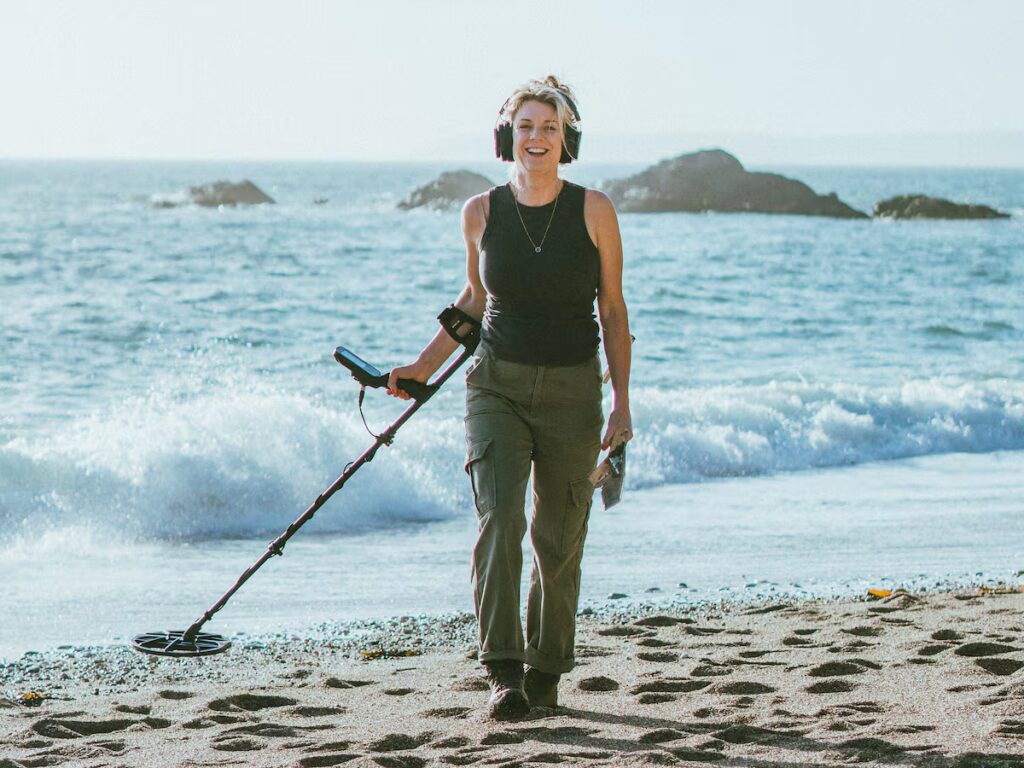
“Metal detecting combines adventure, mindfulness, and exercise, paired with a sense of purpose,” states an artist and videographer known as Miss Detectorist. She turned to this hobby to forge new connections after relocating from Bath to the South Devon coast. “Most people who try this hobby become instantly hooked, drawn to its optimistic nature and the thrill of the unexpected,” she adds.
The excitement of each find can range from mundane items like soda cans to valuable artifacts such as silver coins or rings, making it a leveling pastime for individuals of all ages. “It's possible for a nine-year-old to discover treasure on their first outing, just as a 75-year-old may leave empty-handed,” says Miss Detectorist. She finds particular joy in uncovering historical objects with a feminine significance, such as a Roman coin featuring an influential woman.
When sharing their most memorable finds, these women often highlight discoveries linked to other women in history. Gray fondly recalls finding a Victorian needle case associated with a sewing school that assisted women in gaining employment. Youell's notable discovery—a gold coin from circa 60 AD, attributed to Boudica's Iceni tribe—has deepened her understanding of that historical period.
This connection highlights why more women are engaging in metal detecting. It allows for the exploration of women's history often overlooked in traditional textbooks while fostering a dialogue across generations of women who navigate similar challenges.