
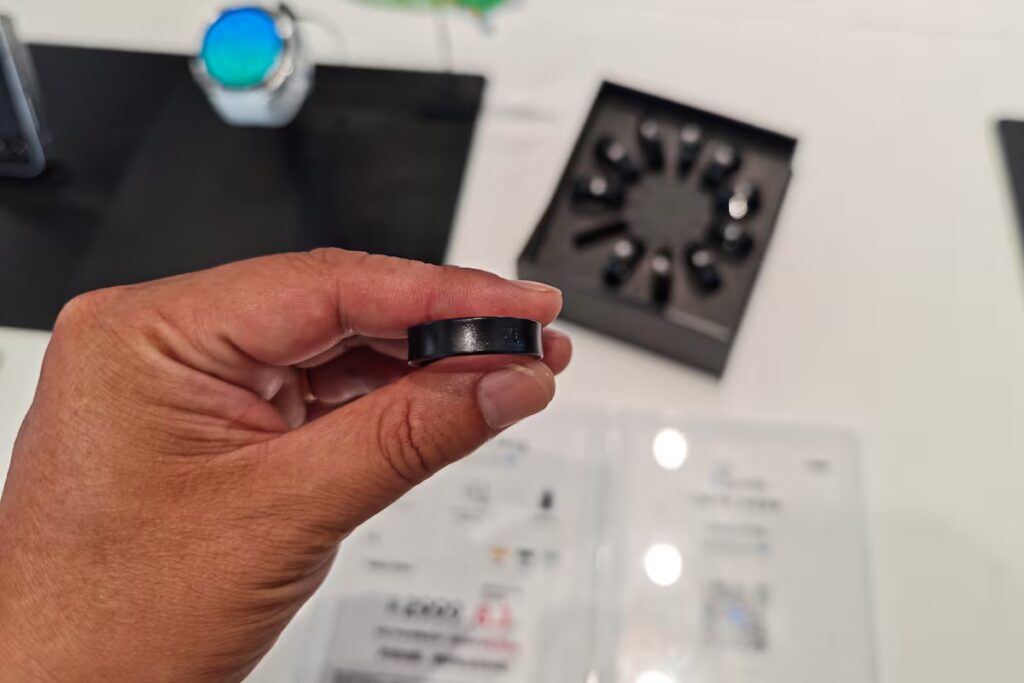
Did you know that your smartwatch can provide early warnings about your health status? It might alert you if you've had a restless night with irregular breathing or if your nighttime temperature has increased by 0.6 degrees. Similarly, an elevated resting heart rate during workouts could signal underlying issues.
Wearable devices—such as smartwatches, smart rings, and activity trackers—offer valuable insights into your health. Although these gadgets are not medical devices and cannot replace professional diagnoses, they serve as effective tools for self-awareness, training optimization, and early detection of potential health problems.
Table of Contents
ToggleKey Health Metrics Measured
Most wearables, including budget-friendly options, monitor similar health metrics. However, before making a purchase, it's essential to ensure that the device includes the sensors necessary to track your areas of interest. Here are the primary health metrics these devices commonly monitor:
- Heart Rate (HR): This sensor uses light projection on the skin to measure changes in blood flow, providing heart rate readings at rest. It helps track fitness levels and tailor exercise intensity according to specific ‘training zones.'
- Resting Heart Rate and Heart Rate Variability (HRV): Resting heart rate measures heartbeat frequency while the body is at complete rest, and HRV assesses the variation between beats. A higher HRV typically indicates better recovery and lower stress.
- Blood Oxygen (SpO₂): Many wearables come equipped with a pulse oximeter to estimate blood oxygen saturation using light sensors. This measurement can alert users to potential breathing problems and help monitor changes during sleep, particularly in cases of suspected sleep apnea.
- VO₂ Max/Aerobic Capacity: This metric indicates the maximum amount of oxygen utilized per minute per kilogram of body weight. It is calculated from heart rate, accelerometer, GPS, and other sensor data, serving as a good gauge of aerobic capacity and guiding workout planning.
- Sleep Patterns: Wearables employ accelerometers to monitor movements and track changes in heart rate, temperature, and variability, allowing them to estimate sleep phases (light, deep, REM) and total sleep duration. This data assists users in improving their sleep habits.
- Body Temperature: Recent models can measure skin temperature variations overnight, providing insights into recovery states, potential illness, or fluctuations related to the menstrual cycle.
- Electrocardiogram (ECG): Certain smartwatches can perform ECGs to detect irregular heart rhythms, such as atrial fibrillation.
- Menstrual Cycle Tracking: Many wearables can log menstrual cycles, predicting menstruation dates, ovulation, or monitoring health during pregnancy.
Practical Applications of Recorded Data
While wearable data should not be considered a medical diagnosis, it can significantly enhance self-awareness. For instance, a noticeable decrease in HRV or an increase in temperature could indicate fatigue, stress, or emerging health issues. Monitoring temperature and breathing patterns can reveal physiological changes related to lifestyle, travel, or health conditions.
Additionally, understanding estimated VO₂ max or heart rate during exercises enables more effective workout planning (covering aspects such as endurance, speed, and recovery). Combining HRV and HR data each morning serves as a valuable indicator of the body's readiness for further physical exertion or the need for additional recovery. Moreover, sleep data can highlight areas for improvement in sleep hygiene, suggesting adjustments such as reduced light exposure or improved consistency in sleep schedules.