
Table of Contents
ToggleIntense February for Film and Television
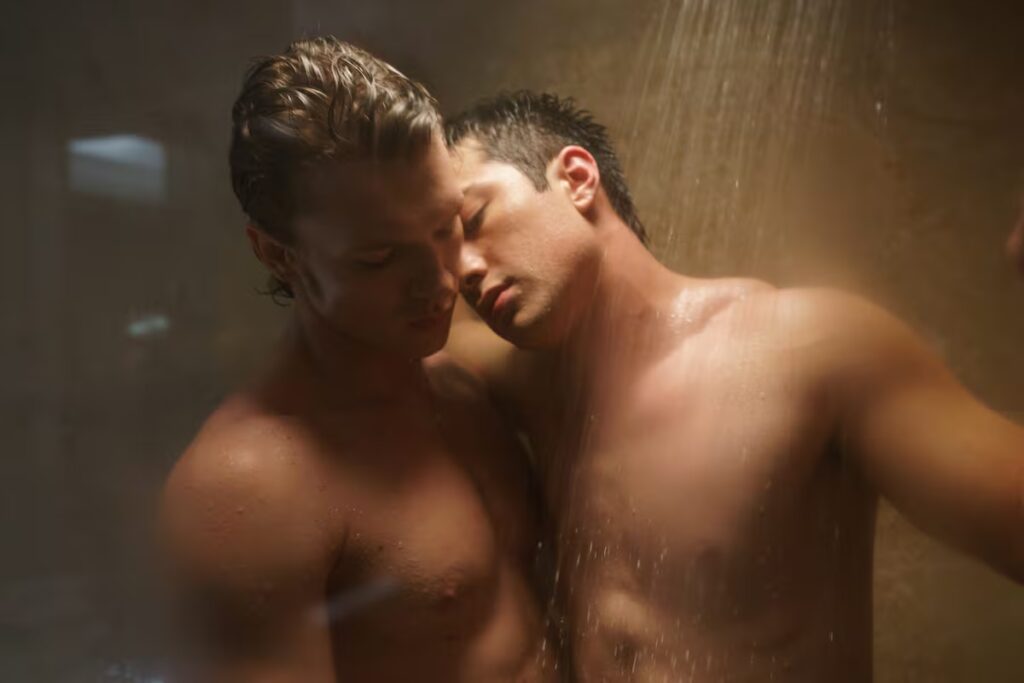
February has been a remarkable month for film and television, spotlighting a blend of emotional exploration and sexual dynamics. It kicked off with the television series Heated Rivalry, which dramatizes the relationship between two professional hockey players, creating significant social conversations. Following this, the film Wuthering Heights debuted in cinemas, offering a provocative reinterpretation of Emily Brontë's classic. Both productions experienced passionate fan responses, yet they also faced criticism regarding their depictions of sexuality.
Critical Responses and Controversies
Wuthering Heights stirred debate among critics early on. Peter Bradshaw from The Guardian described it as “quasi-erotic, pseudo-romantic, and ersatz-sad.” Meanwhile, comedian Jordan Firstman, known for his role in I Love LA, critiqued the intimate scenes in Heated Rivalry, asserting, “It's not how gay people fuck. There's so few things that actually show gay sex,” in an interview with Vulture. His assertions ignited divisive opinions among the show's fans.
Paradox of Sexual Portrayals
The ongoing debate presents a paradox: as uninhibited sexual encounters become increasingly common in media—from the rugged realm of Canadian sports to the bleak moors of Yorkshire—critics argue that such portrayals are often far removed from authentic eroticism. Audiences are questioning whether contemporary portrayals of sex and bodies have shifted to the point where they hamper genuine interest. To uncover the underlying concerns, input from academics, sexologists, and viewers is essential.
Generation Z's Discontent with Sexual Content
Recent studies indicate a growing audience weariness, particularly among younger viewers. UCLA's annual media-consumption report reveals that nearly 50% of Generation Z feels films and series feature excessive sexual content, while 60% prefer narratives centered on emotional connections over sexual encounters. This backlash reveals a trend that raises questions about the source of the industry's fixation on explicit scenes.
Sexuality and Digital Overstimulation
Adrián Chico, a psychologist and sexologist, links the flood of sexual content to digital overstimulation. He argues that portrayals are shifting from genuine intimacy to high-impact visuals, mirroring the escalating intensity of stimuli from pornography and social media. According to him, sex in contemporary media is more visible and explicit but lacks depth and authentic connection, often resembling “synchronized swimming”—perfectly choreographed yet devoid of reality.
Body Image and Idealization in Media
Chico specifically critiques Heated Rivalry‘s portrayal of male nudity, questioning whether its success would remain unchanged without the idealized physiques of its characters. He argues that the media perpetuates a cult of hyper-muscularity that distorts reality, exacerbated by artificial intelligence which creates unrealistic beauty standards.
Challenges to Genuine Interest and Eroticism
The portrayal of idealized bodies introduces vital questions about whether such perfection diminishes genuine interest and erotic enjoyment. According to Chico, “Eroticism needs vulnerability, imperfection, and humanity.” He notes that overly perfect bodies often become objects rather than relatable individuals. This point is open to debate, as Professor Santiago Fouz Hernández argues that attractiveness is subjective and varies among viewers.
Gen Z Perspectives on Sexuality in Media
To understand younger generations' views, feedback from users on Letterboxd, a popular cinephile app, uncovered their sentiments. Carmela R., 26, noted a shift from erotic representation to aesthetic stimulation, expressing, “It's like a trompe-l'oeil that can't even turn you on.” Conversely, Pedro E., 27, admitted to feeling attracted to idealized bodies while simultaneously recognizing the disconnect, saying, “Sex is much more complex than looking at a big butt.”
The Evolution of Body Standards in Cinema
While hyper-muscular physiques dominate contemporary on-screen representations of masculinity, Professor Fouz Hernández links this trend to historical shifts in cinema, dating back to the 1970s. The rise of the superhero genre has solidified these body ideals as contemporary norms, causing audiences to overlook the reality that actors' physiques are often the result of specific training for particular roles. Although Heated Rivalry has popularized fitness routines among its actors, a cautious Fouz Hernández believes that the ongoing evolution of representation may eventually return toMore realistic portrayals.
Future Perspectives on Sexuality and Cinema
Until such changes occur, Chico suggests individuals address their sexual curiosities and fantasies beyond the screen. He emphasizes the importance of education for differentiating reality from cinematic fiction, asserting, “Cinema always lies, and when it comes to matters of the bedroom, even more so.”