
Table of Contents
ToggleThe Grilling Culture of Monterrey
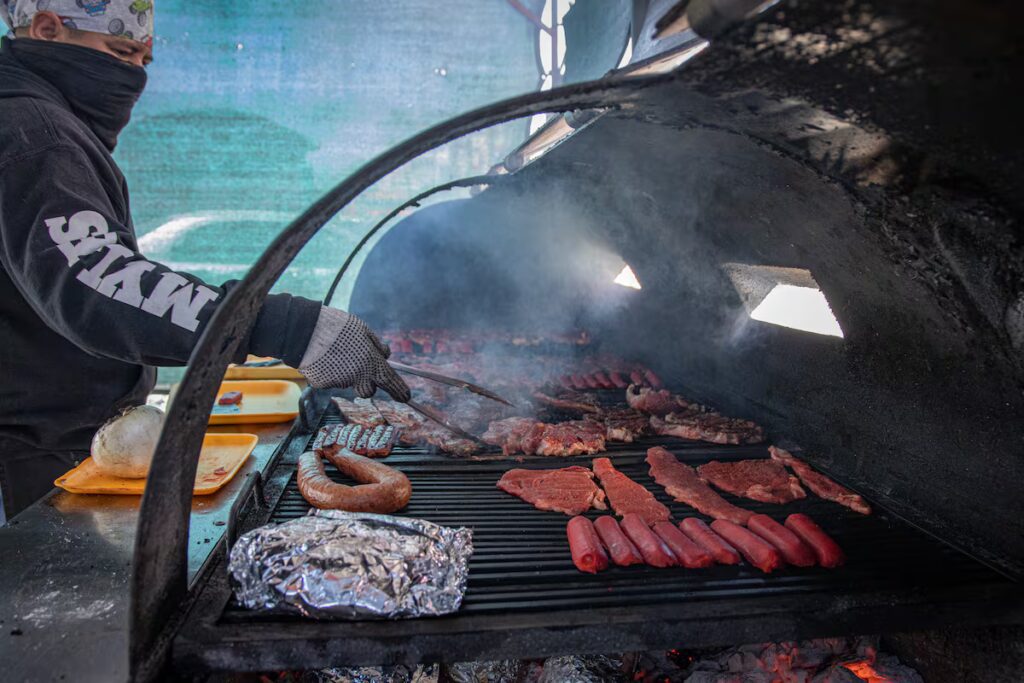
In Monterrey, the reasons to fire up the grill are abundant. Local electrician Rubén Ramírez, 50, highlights the significance of meat consumption in the culture of Nuevo León, stating, “It's a reason to gather, to see family, and of course, to enjoy a beer.” For Ramírez, a true asado experience is incomplete without salsa borracha, Argentinian chorizo, onions, roasted potatoes, and—most importantly—soccer. With the World Cup approaching, this cherished tradition is set to transform into a full cultural experience for the predicted half a million visitors flocking to the city. “Mexico City has its museums, and Guadalajara has mariachi and tequila, but here, there's carne asada and the fantastic hospitality of Nuevo León,” he beams.
Soccer and Grilling: A Perfect Match
On a typical Saturday, the excitement heightens as Monterrey's soccer club, Rayados, gears up for a game. The atmosphere buzzes with smoke rising from grilling stations in the BBVA stadium parking lot, where coolers are open, norteño music plays, and coals crackle. Omar Ríos, 45, never misses a match and remarks, “You have to come ready to eat and enjoy the game.” The pre-party festivities—complete with live bands, food vendors, and drinks—create an ambiance that combines picnicking with soccer fervor. This tradition resembles the tailgating culture seen in U.S. stadiums, with spaces available for rent during the World Cup games, accommodating up to 10 people for about $560.
Taco Traditions Post-Game
The grilling ritual continues long after the final whistle. Fans typically line up at Las Delicias, a family taco business in Guadalupe, just a stone's throw from the BBVA. Known for their carne asada and barbacoa tacos, the establishment sees game-day sales triple those on regular days. Manager Eric Islas notes that the mood of the fans deeply influences sales—victories draw crowds, while losses often lead fans to leave in disappointment. “For the World Cup, we plan to offer menus in several languages, anticipating increased sales and footfall,” he adds.
Anticipated Economic Impact
Local officials predict that approximately 500,000 tourists will descend on Nuevo León during the World Cup, creating significant opportunities for the restaurant sector and businesses centered around meat. Sol Campos, 22, notes, “While I don't have tickets, my family will definitely be enjoying carne asada during the World Cup.” The influx of visitors is not only expected to affect hotels and transport but also supermarkets, butchers, and restaurants, where grilling traditions form a key experience for tourists. Past events, like music festivals at Parque Fundidora, have shown the potential impact of such gatherings.
Purchasing Amidst the Excitement
Early on game days, lines form at Carnes Frías San Juan stores as customers load up on aguja norteña (a prime beef cut), coals, and salsas. With 14 locations, the chain stocks all necessary grilling supplies. Their busiest days occur on New Year's Eve and during the classic matches between Rayados and Tigres, with sales spiking by up to 150%. For the World Cup, projections suggest even greater sales as fans gather for extended celebrations beyond just the match days.
Adapting to Grilling Needs
Businesses have adapted to meet the demands of the asado culture. At the U.S.-originated HEB store, patrons purchase their meat and find grilling stations set up in the parking lot for convenience. “Many prefer to bypass the hassle of lighting charcoal, so we grill the meat right here for them,” explains Juan Carlos Sánchez, a grill master. The enticing aromas attract even more customers, while the social aspect of grilling fuels the community spirit.
A Meat-Loving State
Nuevo León is renowned for its meat consumption, with residents averaging between 66 and 77 pounds per person per year, far exceeding the national average of 33 pounds. This proclivity is particularly pronounced during sporting events and will be magnified during the World Cup, when Monterrey will host several matches between June 14 and 29. Hotel industry leaders anticipate full bookings during this period, while the Mexican Soccer Federation estimates a national economic boost of $3 billion.
The carnita asada is more than just a meal; it is a social ritual that defines life in Monterrey, creating spaces for family, friends, and even tourists. As the World Cup approaches, the traditions surrounding grilling continue to shape the cultural landscape of this vibrant city.



![Middle-Aged Men in [Location] Prefer Coffee Machines Over Convertibles for Unique Experiences](https://instantvista.com/wp-content/uploads/2026/09/Middle-Aged-Men-in-Location-Prefer-Coffee-Machines-Over-Convertibles-for-150x150.jpg "Middle-Aged Men in [Location] Prefer Coffee Machines Over Convertibles for Unique Experiences 5 - Instant Vista")