Table of Contents
ToggleElon Musk’s Lawsuit Against OpenAI Dismissed by Jury
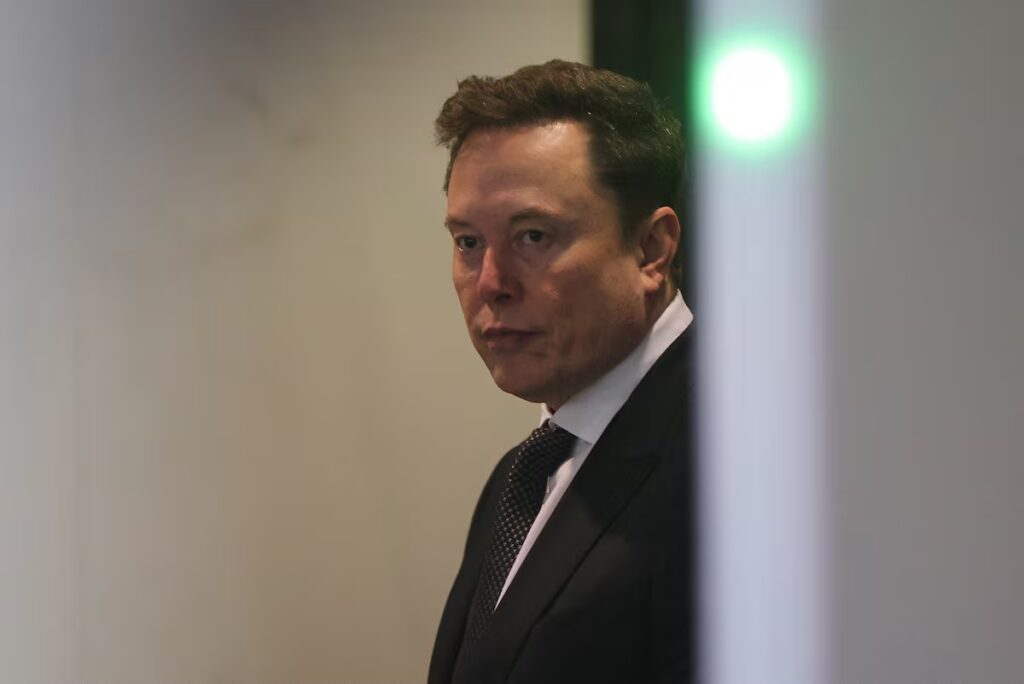
An American jury has ruled against Elon Musk’s lawsuit directed at Sam Altman and OpenAI. The federal court in Oakland, California, determined that the AI startup’s transition to a for-profit entity did not violate its commitment to public benefit.
The Case Details
Musk accused Altman and OpenAI President Greg Brockman of exploiting their initial investments in the non-profit entity to establish a for-profit company. However, the jury rejected Musk’s claims, stating that he had waited too long to file the lawsuit, rendering it “time-barred.”
Following the court’s decision, Musk announced plans to appeal, arguing that allowing such actions to stand sets a damaging precedent for charitable organizations in America. He stated, “I will appeal to the Ninth Circuit, because creating a precedent for looting charities is incredibly destructive to charitable giving in America.”
The Trial’s Impact
This judicial ruling is a significant setback for Musk, who sought $150 billion in damages. The trial, which lasted three weeks, featured extensive cross-accusations among the two tech magnates. Musk’s allegations against OpenAI could influence the future of the company behind the widely-used chatbot, ChatGPT, especially as it prepares for a public offering.
During the trial, 11 testimonies were presented from various business associates and investors, highlighting the animosity between Musk and Altman. Both parties accused each other of dishonesty and manipulation. Musk expressed disappointment, noting that the jury decided based on procedural grounds rather than the substance of the case.
He remarked on social media platform X, “The judge and jury never really ruled on the merits of the case, only on a calendar technicality,” emphasizing that he believes Altman and Brockman profited unjustly from a charitable initiative.
The Accusations and Counterarguments
Musk’s legal team argued that Altman and Brockman effectively “stole a charity” by transforming OpenAI. They claimed Altman was deceitful, highlighting his removal from the executive director position in 2023 as evidence of distrust within the board. Musk also pointed to the significant financial gains experienced by OpenAI’s early investors, a benefit he did not receive due to his premature exit from the company.
Conversely, OpenAI’s defense characterized Musk as self-centered and power-hungry. They described him as volatile and suggest that his departure from the startup stemmed from losing control over the business. They also brought up Musk’s subsequent launch of a rival firm, xAI, founded in 2023.
Federal Judge Yvonne Gonzalez Rogers, who oversaw the proceedings, noted the solid evidence backing the jury’s verdict, suggesting she was prepared to dismiss the case immediately.
The Origins of OpenAI
OpenAI was co-founded in 2015, with Musk as one of its initial investors, contributing $38 million. The organization was established as a non-profit aimed at developing AI for humanity’s benefit. Since then, OpenAI has transformed into a leading force in the AI sector, with an estimated valuation nearing a trillion dollars and plans for an upcoming initial public offering (IPO).
Musk expressed that he was misled by Altman and other investors, who initially promised a commitment to humanity but later shifted toward a profit-driven business model, solidifying connections with Microsoft.
In 2024, Musk filed a lawsuit against OpenAI, Altman, and Brockman, alleging “misappropriation of a charity” due to the direction of his and Microsoft’s significant investments towards a commercial setup.
Looking Ahead
The dismissal of Musk’s lawsuit clears the path for OpenAI’s anticipated IPO, which is expected to be one of history’s most significant stock market debuts. This ruling follows a period of turbulence for OpenAI, which has recently renegotiated its partnership with Microsoft amid escalating competition from rival firms like Anthropic, founded by former OpenAI staffers.
Additionally, Musk, fresh from a trip to China with U.S. President Donald Trump, is finalizing SpaceX’s IPO, aiming to raise around $80 billion in what could become the largest IPO in history.
Musk also lodged accusations against Microsoft for being complicit in the alleged betrayal of public trust linked to OpenAI, but the jury rejected that claim as well.