
Table of Contents
ToggleEmbracing Nighttime in the Garden
On sweltering days, the arrival of sunset and night brings a welcome drop in temperatures. Whether you're seated on a park bench or relaxing on your balcony, the twilight offers a unique viewpoint of garden areas. The taller plants create stunning silhouettes against the evening sky, inviting a sense of tranquility that contrasts with the day's hustle and bustle.
Sensational Scents of the Night
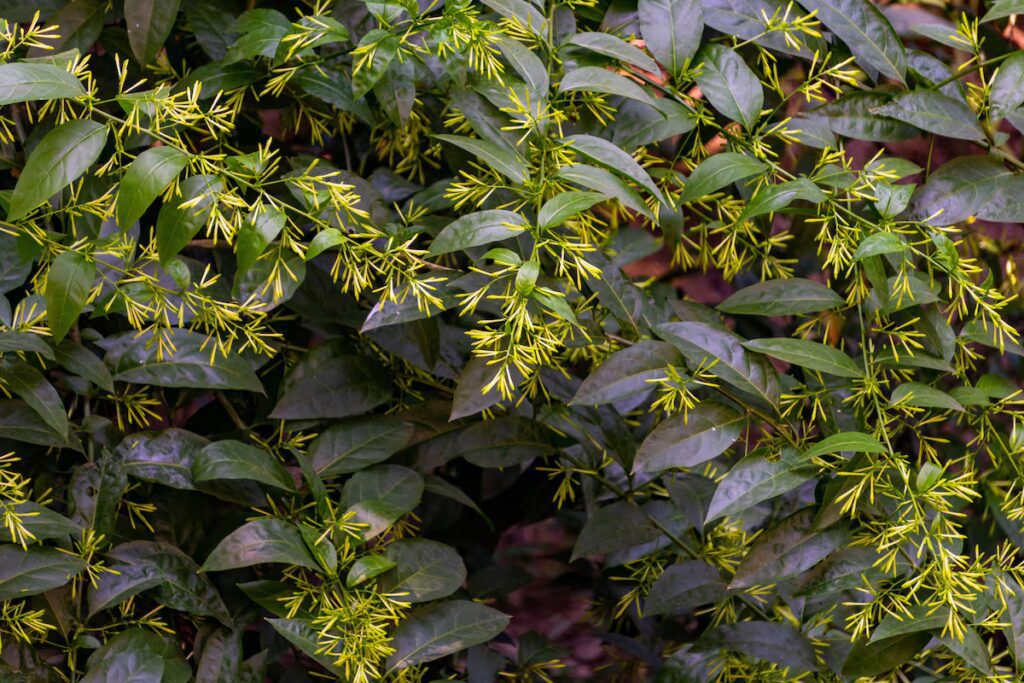
As the sun retreats, certain fragrances come alive, particularly from plants that attract nocturnal pollinators. One standout in this category is the night-blooming jessamine, known scientifically as Cestrum nocturnum. This unassuming plant, with its fresh green, lance-shaped leaves, initially seems to lack visual appeal. However, at dusk, it transforms into something extraordinary.
When night falls, the small, inconspicuous flowers of the night-blooming jessamine emit a captivating scent that feels almost dreamlike. This sweet, potent aroma, enriched with hints of jasmine and gardenia, can infuse your home with joy when the night breeze carries it indoors. Proper placement of this plant enhances your living space by acting as a natural air freshener.
Growing Night-Blooming Jessamine
The night-blooming jessamine can thrive in a large pot, making it ideal for terrace corners sheltered from harsh winter conditions; it is sensitive to severe frosts. If well-placed and acclimated, it can endure cooler temperatures, especially when planted in the ground or sheltered by surrounding pots.
This vigorous shrub benefits from regular pruning, typically twice a year. The first pruning should occur when the frost danger has passed and before new growth begins, shortening branches by one-third to one-half to promote new shoot development. A second, optional pruning can be performed when new twigs reach about 10 centimeters, pinching back the tips to encourage branching and a more compact height.
Ideal Growing Conditions
As a member of the nightshade family, which includes tobacco and tomatoes, the night-blooming jessamine thrives in sunny environments but can also manage with limited direct sunlight. In regions with lower humidity, it benefits from morning or dusk sun exposure to prevent leaf scorching.
In addition to night-blooming jessamine, other fragrant night bloomers include the angel's trumpet, or datura (Brugmansia cultivar), which features large, drooping flowers that emit a slightly narcotic scent to attract their nighttime pollinators. Additional nocturnal perfumers include various species of jasmines (Jasminum spp.), gardenias (Gardenia jasminoides cultivars), and carissa (Carissa macrocarpa).
The Moon's Impact on Garden Beauty
The moon, especially in its brightest phases, casts a radiant glow that enhances the appeal of plants with white leaves or flowers. Species like gardenias and jasmines appear to illuminate when touched by moonlight, while the silvery-gray leaves of cineraria (Jacobaea maritima) and dusty miller (Cerastium tomentosum) glimmer beautifully under the night sky.
Finding Beauty After Dark
Nighttime and its moonlight in the garden symbolize not uncertainty, but hope for natural beauty. Seeking joy in simple, living elements often surpasses the allure of material possessions.