
Table of Contents
ToggleViral Sensation: The Resurgence of Salt Literature
“I read a 500-page book about salt and it has altogether ruined my ability to have a normal conversation.” This eye-catching statement begins a now-viral video from content creator Wyatt Derman, who humorously reveals his newfound obsession with the ubiquitous seasoning.
Derman shares that his curiosity was sparked by learning fascinating historical facts, such as how Romans were paid in salt. He humorously notes that he now sees connections between the word “salt” and terms like “soldier,” “salad,” and “salami.” His journey through salt-related knowledge prompted him to reflect on how this simple substance intertwines with human history, stating, “I have become a man who can't pass a salt shaker without feeling the weight of human civilization.”
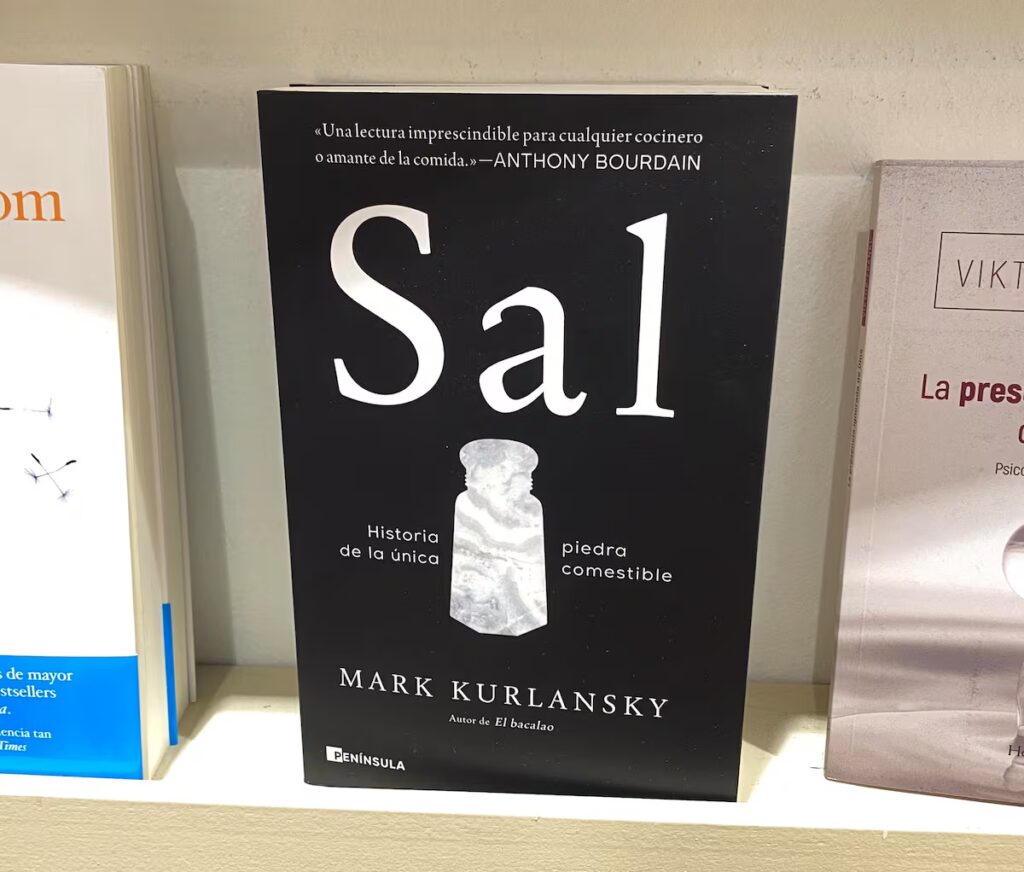
Mark Kurlansky's “Salt: A World History”
The book that ignited Derman's interest is Salt: A World History by Mark Kurlansky, a journalist known for his focus on food history. First published in 2002, the book has recently seen a revival, landing once again on the New York Times best-seller list. Kurlansky expressed his delight about this resurgence, noting, “Appearing on the New York Times best-seller list again after nearly 25 years is comforting. This gives me the pleasant sense that books can endure.”
In an Instagram post, Penguin congratulated Derman for rekindling interest in the book, while Kurlansky himself humorously acknowledged the unexpected viral success of a work dedicated to salt.
Why Salt? Exploring the Book's Appeal
So, what has led to the renewed interest in Kurlansky's book? In today's fast-paced social media environment, many readers find relief in niche topics that allow for deep exploration, offering a contrast to the fragmented information overload. Salt: A World History allows readers to escape the online noise and focus on a single topic, cultivating a sense of connection to something fundamental yet often overlooked.
This increasing fatigue with digital distractions has driven a shift back toward analog experiences, emphasizing the value of physical books that engage readers for extended periods. Salt, a substance found in every kitchen, offers a glimpse into its historical significance, thus igniting curiosity.
Ironically, when the book first debuted, critics downplayed its potential appeal, questioning how engaging a book about such an ordinary item could be. However, Kurlansky's enthusiasm for the topic shines through, making the history of salt both intriguing and accessible. Derman's viral video serves as evidence that genuine passion in storytelling can resonate and spread.
A Deeper Look: Themes and Insights
The primary focus of Salt: A World History extends beyond salt itself; it serves as a lens through which the history of humanity is examined. Kurlansky takes readers on an expansive journey from ancient civilizations to the present, uncovering remarkable insights about why salt has been a prized commodity. He explores its diverse applications—from food preservation to medical uses—illustrating how it served as currency and sparked conflicts.
Throughout the narrative, Kurlansky also delves into the cultural beliefs surrounding salt, such as its reputation for warding off evil spirits. Many iconic dishes, including Roman garum, soy sauce, and cured ham require salt, underscoring its essential role in culinary history.
Interestingly, Kurlansky's fascination with salt originated in the Catalan town of Cardona, where he bought a chunk of rock salt. This moment of curiosity led to the development of his book, which he describes in the introduction as a potential obsession for anyone who has owned a similar rock.
Kurlansky's Broader Literary Journey
While Kurlansky is best known for Salt, he has authored over 40 works, including explorations of cod, oysters, and even a biography of Clarence Birdseye, the inventor of frozen food. His writing often revolves around food history but spans a variety of subjects including paper and social movements in 1968.
Readers in the Basque Country will soon have the opportunity to engage with Kurlansky directly. This October, he is set to appear as a speaker at San Sebastián Gastronomika, where he will share insights from his extensive career.