
The European Union (EU) has long positioned itself as a global leader in the battle against climate change. Through initiatives like the European Green Deal, ambitious decarbonization targets, and the promotion of a fair ecological transition, the EU has crafted a strong environmental narrative. However, this resolve appears to wane when confronted with the interests of major technology corporations and industrial competitiveness.
Table of Contents
ToggleRegulation of Data Centers and Gigafactories
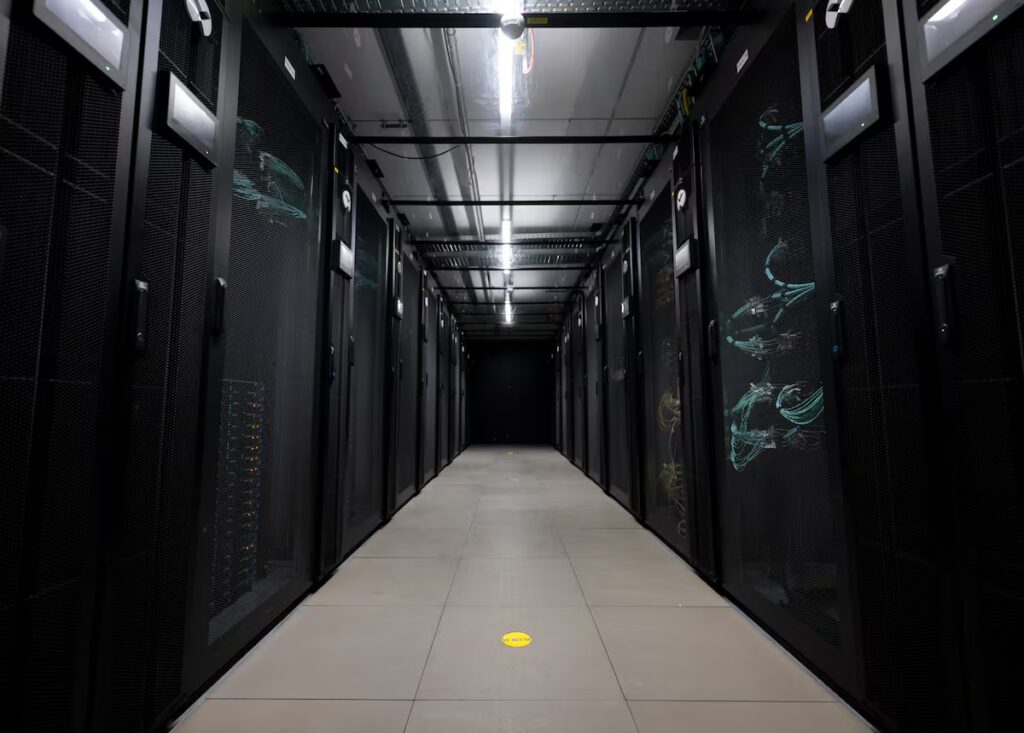
Currently, the EU is facing scrutiny over its regulations concerning data centers and gigafactories that underpin artificial intelligence. Reports indicate that a draft regulation being considered by the Financial Times reveals the European Commission's intent to loosen environmental standards. This shift comes after significant pressure from corporations like Amazon Web Services, Microsoft, and the European Data Center Association.
Contradictions in Climate Policy
This regulatory inconsistency raises crucial questions. On one side, Brussels emphasizes the urgent need to reduce greenhouse gas emissions; on the other side, it appears willing to modify regulations to facilitate the expansion of energy-intensive infrastructures that largely rely on fossil fuels. The EU's ambition to compete with the United States in artificial intelligence development seems to overshadow its established climate commitments.
Changes to the Emissions Compensation System
One of the most concerning changes involves the emissions compensation mechanism. The initial proposal set strict criteria, requiring data centers to offset emissions associated with fossil fuel consumption by purchasing certificates from new renewable energy sources located near their operation sites. The intent was clear: any consumption of polluting electricity should be countered by genuine contributions of clean energy.
However, under the influence of major tech firms, these requirements have been significantly softened. The latest draft allows for a mere accounting operation, letting data centers continue to operate on fossil fuels as long as they acquire renewable energy certificates—effectively permitting continued CO₂ emissions under the guise of compensation.
Increasing Flexibility in Regulations
The new proposals extend the flexibility even further, permitting the use of nuclear energy certificates and eliminating the need for geographical and temporal proximity between renewable energy generation and fossil fuel consumption. This could lead to scenarios where a data center in Central Europe, dependent on coal, offsets its emissions through certificates related to solar energy produced in Spain. Such disconnects exemplify the absurdity of the accounting practices divorced from the reality of emissions.
Broader Implications for European Climate Policy
This shift in regulations aligns with a broader trend. The European Commission is also proposing reforms to the European Emissions Trading System (ETS), which would slow down CO₂ reduction targets, increase free permits for industries, and allow for emissions reductions in third countries to count towards EU targets. Collectively, these changes enable companies—especially those involved in artificial intelligence and data center construction—to emit more CO₂ than previously allowed.
The Increasing Urgency of Climate Action
Given that Europe is one of the fastest-warming regions on Earth, experiencing more frequent extreme heat waves and weather events, the EU's plan to triple data center capacity in the coming years contradicts its climate agenda. This highlights a stark juxtaposition between climate discourse and industrial policies.
Lack of Transparency and Accountability
The lack of commentary from major players in the tech industry—namely Amazon Web Services, Microsoft, and the European Data Center Association—further underscores the situation. The European Commission has not publicly clarified its rationale behind the relaxation of previously essential environmental criteria. This lack of transparency provokes questions about who is truly shaping European energy policy.
The Challenge of Technological Sovereignty
Recent developments challenge the narrative surrounding European technological sovereignty. It seems contradictory for regulatory frameworks to bend to the demands of Silicon Valley firms or for climate policy to be adjusted to maintain the competitiveness of strategic sectors. True technological sovereignty involves not just expanding infrastructure but also the ability to set and uphold standards that may discomfort powerful economic entities. If the EU continues to compromise its environmental principles in favor of corporate interests, the very notion of technological sovereignty could be reduced to a mere political slogan.