
Table of Contents
ToggleThe Millennial Tuck: A Fashion Statement Under Scrutiny
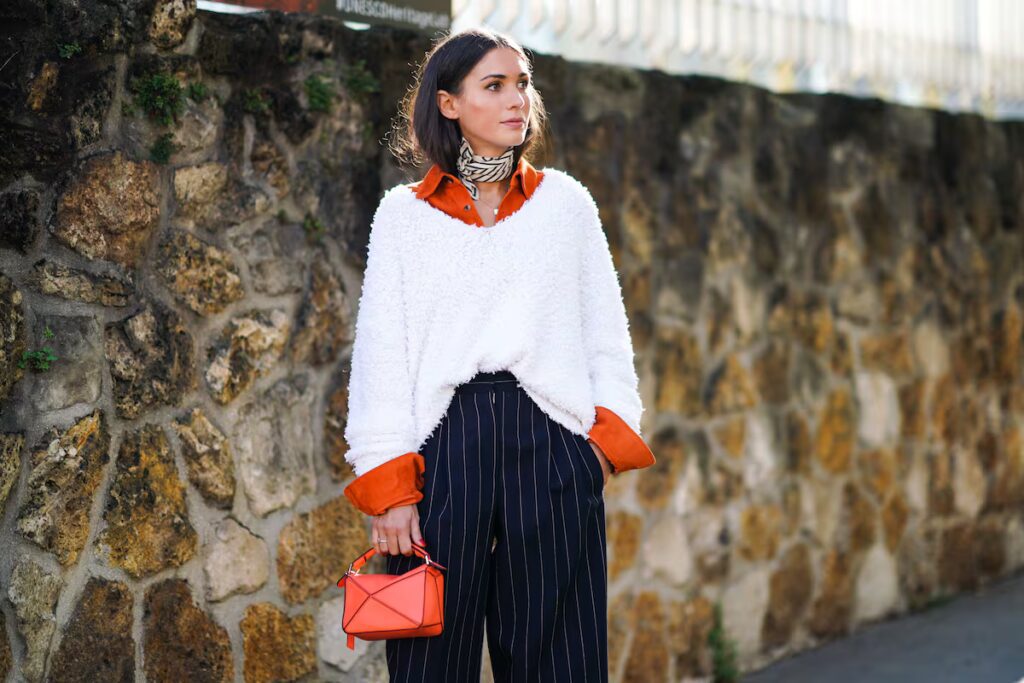
The act of tucking the front of a t-shirt or sweater into the waistband of pants, leaving the back loose, is informally labeled as the “millennial tuck.” This style has become a hallmark of those born between 1981 and 1996, as identified by Generation Z, who view it with significant sarcasm.
Origins of the Trend
The term arose in the 2010s, evolving from the “French tuck” — a style popularized by Parisian women, who would casually tuck the front of their tops into their trousers. This intentional styling choice not only emphasizes the waist but also lends a purposeful vibe to any outfit. It became emblematic of a chic yet effortless fashion sense.
Cultural Significance
Throughout the years, minute details have served as vital social markers across generations. Small gestures, including hairstyles, clothing fit, and even dance movements, transform into generational identifiers. The millennial tuck stands out as a key indicator of cultural affiliation, made desirable by influential figures like Jenna Lyons at J.Crew and Parisian fashion editors. This trend received a major boost from street style photography and icons like Olivia Palermo and Alexa Chung, who fused calculated dishevelment with elegance.
Generational Shift
However, Gen Z perceives the millennial tuck as outdated. Social media platforms like TikTok and Instagram are flooded with videos contrasting the ways different generations style their clothing. The younger generation showcases a preference for untucked, baggy styles, starkly opposing the more structured millennial aesthetic.
For many millennials, the milennial tuck signals a deeper consciousness of aging and cultural relevance. Acknowledging this shift in fashion represents a painful realization of slipping from the “cool” status they once enjoyed. The awareness that their style choices are scrutinized publicly contributes to a sense of losing connection with younger generations. Comments such as Grace Mandeville's on TikTok illustrate this sentiment, with her expressing horror over the implication of tucking in shirts as a signal of aging.
Fashion Disconnect
The debate over the style choice may seem trivial, yet it elucidates a broader generational divide. Gen Z's inclination towards loose-fitting silhouettes marks a significant contrast to the millennial tuck, which symbolizes a bygone era. This fashion choice is becoming as outdated as draped sweaters or low-slung jeans once were.
Millennials have the unique experience of aging in a hyperconnected world where every action can draw scrutiny. The millennial tuck is a poignant symbol of resistance in a culture that continuously evolves. It encapsulates the struggle to remain relevant amid shifting societal norms.