
Table of Contents
ToggleInside the World of Disney Adults: A Deep Dive into Fan Culture and Economics
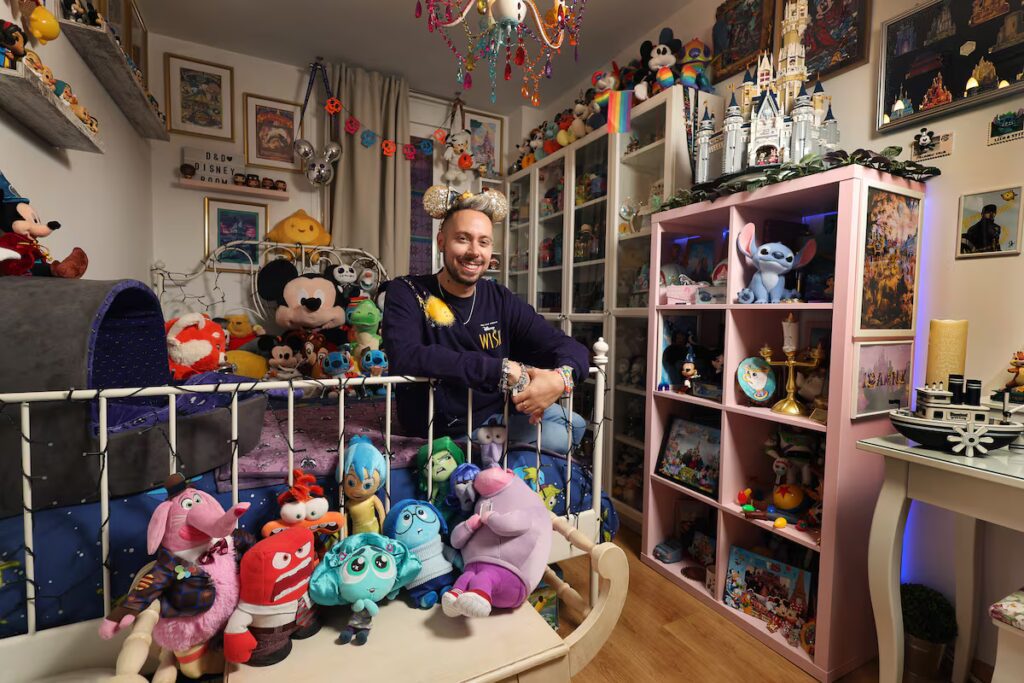
At 35, Daniel Pontón epitomizes the trend of “Disney adults.” Residing in Parla, Madrid, with his fiancé, Pontón is not just a casual fan; he's an influencer with a substantial following of 110,000 on TikTok under the handle iDanny. His home doubles as a museum, showcasing an impressive collection of Disney merchandise that includes plush toys and memorabilia from visits to Disney parks, particularly Disneyland Paris, which he frequents every two months.
The Economics of Disney Fandom
Pontón is part of a growing subculture surrounding Disney that has attracted both social and economic scrutiny. According to A. J. Wolfe, author of the book Disney Adults, this group represents a complex identity characterized by community, nostalgia, and creativity—not merely escapism. Wolfe's journey began with a focus on Disney food reviews, eventually leading her to establish one of the most recognized websites for Disney park visitors, The Disney Food Blog.
Wolfe emphasizes that the stereotypes surrounding Disney fans often stem from a misunderstanding of their community. “Stereotypes are built at the extremes,” she points out, highlighting that enthusiasts find a sense of belonging and happiness through shared interests in Disney culture.
Pontón finds solace in the music and ambiance of Disneyland, using it as a form of escape from daily life. He likens his experience at the parks to how some people relax on a beach, noting, “When you visit the theme parks, everything outside ceases to exist. It creates a feeling of relaxation.” Such sentiments are echoed in Wolfe's observations about how Disney provides a temporary escape, where happiness and nostalgia reign.
Challenges and Criticism of Disney Fandom
Despite the warmth that Disney provides its fans, the subculture faces notable criticism. Wolfe suggests that the backlash stems from a cultural bias; the fandom's strong representation of women leads to it being perceived as more childish than other fan groups, such as sports or science fiction enthusiasts. “We have had to fight to be considered adults,” she asserts. This sentiment resonates with many fans who feel marginalized for their passions.
Disney has successfully integrated events like Pride into their offerings, acknowledging the significant LGBTQ+ community within their fanbase. However, Pontón notes that the company still has room for growth concerning diversity in its representation and policies.
The Financial Impact of Disney Spending
Disney fans wield significant spending power, influencing the company's strategies in both theme parks and merchandise. Recent blockbusters like The Lion King and Lilo and Stitch have appealed not just to children but also to adults looking to recapture childhood memories. Wolfe highlights how the nostalgia factor plays into expenditure: “As fans grow into adulthood, they have the disposable income to indulge in their passions,” she explains.
Costs can escalate quickly for Disney enthusiasts, from hotel stays that can reach $1,000 per night to limited-edition merchandise that spurs fierce competition among collectors. Pontón himself has invested heavily in his hobby, reflecting on how he allocates his finances to his Disney passions.
Attracting Future Generations
Disney must also consider how to engage younger generations like Gen Z and Gen Alpha. As these groups show interest in franchises such as Star Wars and Marvel, Disney's partnerships with platforms like Fortnite and AI technology aim to introduce new avenues for engagement and nostalgia.
The global popularity of Disney theme parks remains robust, with eight out of the ten most-visited parks worldwide being Disney properties. The expansion of offerings—like themed cruises—is set to cater to the nostalgia-driven consumer market, projected to exceed $2 billion by 2029.
The Future of Disney Fandom and Its Community
As the Disney adult community continues to grow, the balance between passion and responsible consumerism becomes crucial. Both Wolfe and Pontón acknowledge that while fandom can foster creativity and joy, it may also lead to challenges such as escapism and financial strain. “Disney adults are happier… we live longer, thanks to having found our community,” states Pontón, reflecting a sense of belonging and understanding that many fans derive from their experiences.