
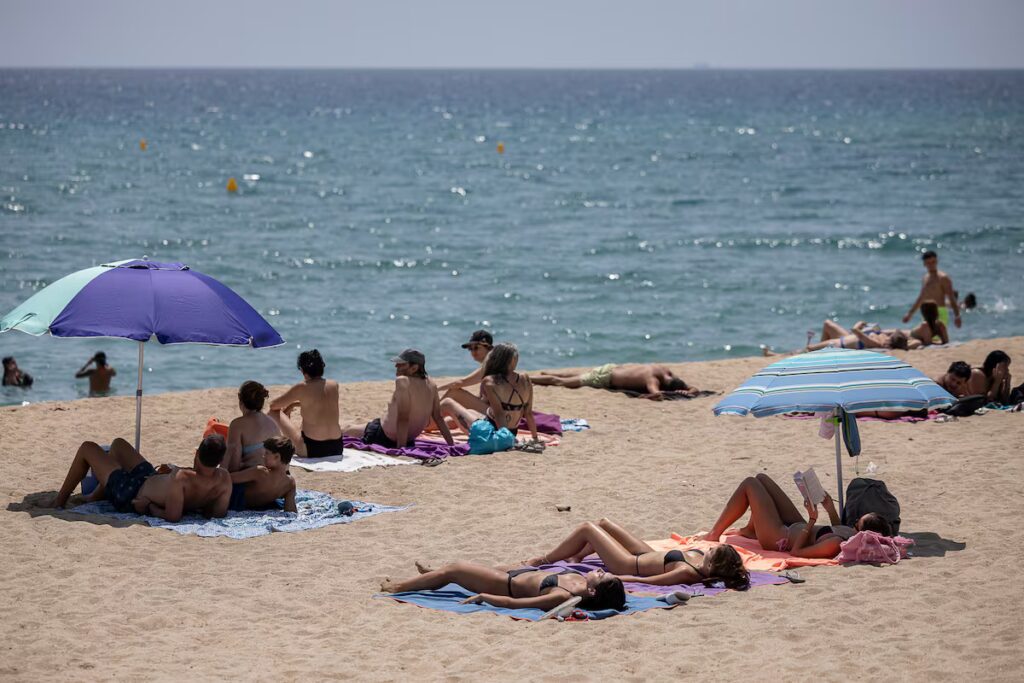
In the Spanish city of Santander, a community garden and a seaside promenade separate Carmen Gutiérrez from the sands of Sardinero Beach. As the director of the Cantabria School of Film and Television, Gutiérrez occupies a prime location just steps from the beach. Despite this proximity, she often resists the temptation to visit while preparing for an afternoon of work.
“The beach can be tiring,” she explains.
After spending a few hours by the sea, Gutiérrez feels drained, preferring to relax on her sofa rather than unpack her beach bag. This feeling is not unique—many vacationers experience fatigue after what is supposed to be a refreshing day under the sun. But how can a day at the beach leave one feeling so exhausted?
Table of Contents
ToggleUnderstanding Beach Fatigue
Javier Ceballos, a former doctor for Racing Santander and a sports medicine specialist, offers insights into this phenomenon. According to Ceballos, the body's energy expenditure is significant, even during seemingly restful activities.
He attributes beach fatigue to three main physiological mechanisms. The first is thermoregulation. “When temperatures rise, the body prioritizes maintaining a stable internal temperature around 37ºC [98.6ºF],” Ceballos explains. The body employs energy to manage heat even while lying still under an umbrella.
The hypothalamus, acting as the body's thermostat, responds to heat by dilating superficial blood vessels and initiating sweating. “The body constantly makes adjustments: increased blood flow to the skin and an elevated heart rate contribute to feelings of tiredness,” he notes.
In addition to thermoregulation, fluid loss plays a crucial role. Exposure to heat causes continuous fluid loss due to sweating and environmental factors, leading to mild dehydration. “Even slight dehydration makes the heart work harder, which adds to fatigue,” Ceballos emphasizes.
The Mayo Clinic warns that hot weather combined with high humidity can result in heat-related disorders, with symptoms including fatigue, dizziness, and weakness. Vulnerable populations, such as young children and older adults, may struggle to regulate their body temperature effectively. “Older individuals often feel thirst later, making it crucial to hydrate before becoming thirsty,” adds Ceballos.
The third mechanism involves the body's defense against ultraviolet radiation. Even without sunburn, UV rays can cause oxidative stress, prompting an immune response. Ceballos notes, “The immune system releases cytokines, signaling fatigue and the need for rest to facilitate recovery.”
The Active Beach Experience
The beach environment is not as passive as it appears. Fatigue can begin even before reaching the shore. Many people experience poor sleep during summer due to heat and irregular schedules, making early mornings more arduous as they rush to secure a beach spot.
Carrying umbrellas, coolers, and other gear adds to the physical demands of a day at the beach, particularly for those with sedentary lifestyles. Activities such as swimming, playing games, or even walking on sand, which requires significantly more energy than on solid ground, can contribute to overall fatigue. A study indicates that walking on sand requires almost double the energy compared to a firm surface, as the body expends extra effort to navigate the shifting terrain.
“Lifting your foot out of the sand requires more energy,” notes Ceballos, who has experienced this firsthand while playing beach paddle.
To manage fatigue, Ceballos keeps his beach time limited to two to two-and-a-half hours. He recommends staying hydrated while engaging in physical activities, followed by a swim and sun exposure while ensuring adequate skin protection before returning home.
Practical Recommendations
To help mitigate fatigue, Ceballos offers these recommendations: hydrate regularly before thirst occurs, aiming for water every hour. He advises against consuming alcohol and sugary beverages, as they can exacerbate dehydration. Instead, opting for plain water or electrolyte-containing drinks without excessive sugar is ideal.
Additionally, it's essential to avoid the strongest solar radiation hours between 12 p.m. and 4 p.m. Ceballos suggests steering clear of heavy meals that divert blood to digestion, employing proper sun protection, and taking breaks in the shade.
Moderation is key when enjoying the beach. “The body is working continuously; it's not psychological,” Ceballos concludes. Fatigue may even extend into the following day as the body requires time for cellular repair, rehydration, and internal balance restoration.
This understanding prompts Gutiérrez to maintain her personal rule of avoiding the beach when upcoming work awaits. To her, the beach is a delightful destination, yet one that demands careful management to avoid exhaustion.