
Table of Contents
ToggleThe Rise of Energy Drinks: A Modern Phenomenon
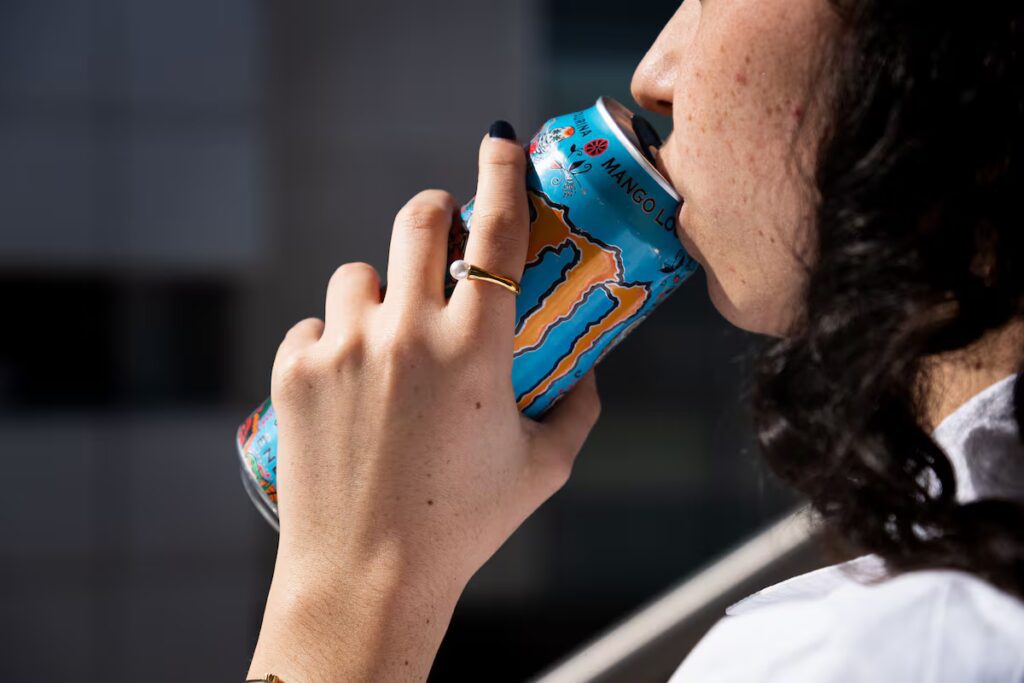
Energy drinks have become a staple among consumers, especially among younger demographics. Unlike traditional beverages, they are not consumed for pleasure; instead, they're often chugged straight from the can while multitasking, particularly in front of screens.
More Than Just a Drink
These drinks serve as a form of “potion,” promising enhanced productivity and performance. With catchy names like NOCCO Focus Passionate and Monster Energy Absolutely Zero, energy drinks have gained massive popularity over the years, particularly among young men but are now reaching a broader audience.
The Origins of Energy Drinks
Despite their appeal, the history of energy drinks is rooted in exploitation. The first known energy drink, “Krating Daeng,” or “Red Bull” in English, was created in Bangkok in the late 1970s to keep laborers awake. This formula reached Europe in 1987 when production began in Austria. However, it wasn't until 1997 that energy drinks gained significant popularity among teenagers in the United States.
Targeting the Youth Market
Initially marketed towards athletes, the strategy shifted as Red Bull recognized its growing traction among teenage males. The brand effectively aligned itself with male-centric activities such as gaming, gym sessions, and nightlife. Consequently, energy drinks became the most-advertised food products on streaming platforms, promoting values of energy, performance, and adventure.
Understanding the Appeal
A 2015 study in Health Psychology identified that among men, the consumption of energy drinks was often associated with ideals of masculinity. This connection led to increased consumption, which in turn had adverse effects on sleep quality.
Expanding the Market
In recent years, brands have adapted their marketing strategies to target women, enlisting celebrities like Paris Hilton and Kim Kardashian. The packaging has shifted from dark shades to pastel colors, and the drinks have been marketed—often without scientific backing—as beauty tonics, indicating an ambition to appeal to a more diverse demographic.
A Symbol of Modern Capitalism
According to anthropologist Carles Feixa Pàmpols, energy drinks symbolize post-industrial capitalism, mirroring Coca-Cola's historical significance in industrial capitalism. Both products leveraged generational trends to elevate their status across various demographics.
The Context of Continuous Acceleration
Sociologist Hartmut Rosa discusses in his book Aceleración. Una crítica social de los tiempos how modern society experiences a state of “dynamic stabilization,” compelling individuals to produce more continuously, which ironically may lead to social alienation. In this environment, energy drinks are marketed as solutions—promising to help consumers keep pace with societal demands.
Health Risks and Cultural Shifts
Despite their popularity, energy drinks pose serious health risks, including arrhythmias, high blood pressure, insomnia, and increased diabetes risk due to their high caffeine and sugar content. Even with restrictions, these beverages appear unlikely to lose their appeal among young people.
Changing Consumption Patterns
Data indicates that alcohol consumption among youth has declined by 3% to 5% over the last decade, while energy drink consumption has surged by 13%. This shift reflects a broader cultural change, as energy drinks embody a desire for self-optimization and efficiency, contrasting sharply with the disengagement associated with alcohol.
Conclusion
Energy drinks embody the complexities of contemporary youth culture, illustrating the dichotomy between healthy living and a culture of excess. As this trend continues to evolve, the impact of energy drinks on society remains significant.





![Middle-Aged Men in [Location] Prefer Coffee Machines Over Convertibles for Unique Experiences](https://instantvista.com/wp-content/uploads/2026/09/Middle-Aged-Men-in-Location-Prefer-Coffee-Machines-Over-Convertibles-for-150x150.jpg "Middle-Aged Men in [Location] Prefer Coffee Machines Over Convertibles for Unique Experiences 6 - Instant Vista")