
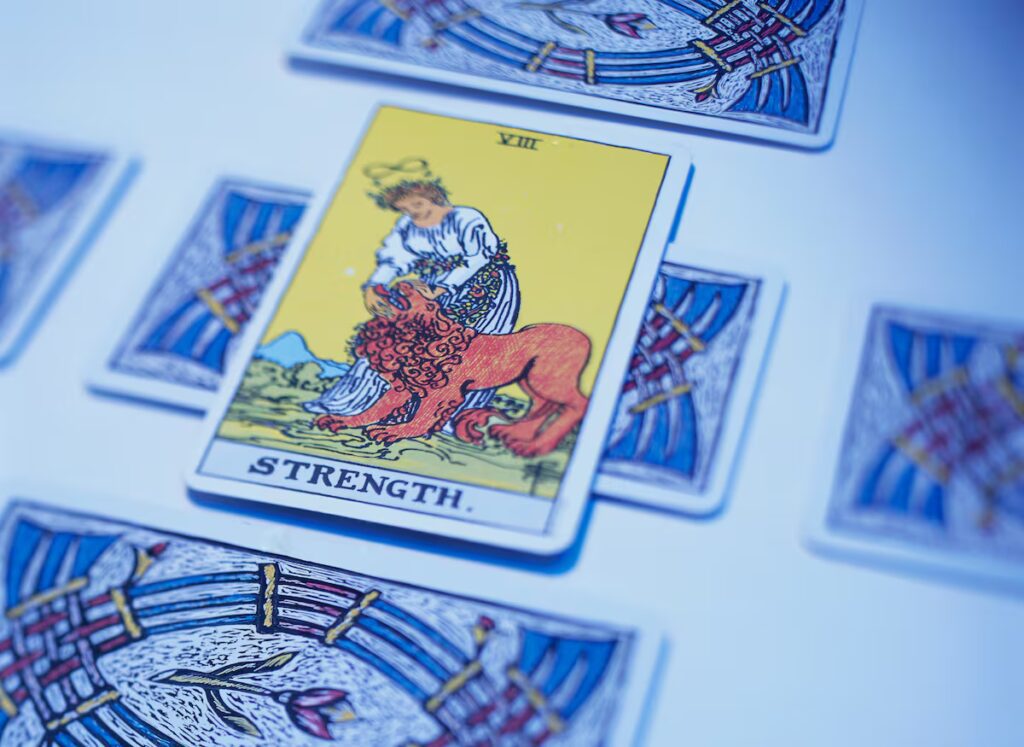
In today's hyperconnected and technologically advanced world, social media is flooded with references to horoscopes, tarot readings, and other spiritual practices. This trend may seem contradictory, but Marta Sader, journalist and author of Liquid Spirituality, offers insight into its growing appeal.
Sader explains that in a time when traditional promises of stability—such as home, work, and family—feel increasingly empty, many individuals turn to alternative belief systems for comfort. “These beliefs provide a sense of security,” she states, “serving as anchors in an uncertain world where clarity is lacking.” This search for meaning is exacerbated by rapid changes in science and society, leading many to question reliable sources of information. “People are overwhelmed with information and desire straightforward explanations,” she adds.
Table of Contents
ToggleThe Rise of Individuality in Spirituality
Liquid spirituality diverges significantly from classical religion, which often requires commitment and participation, such as prayer and attending services. In contrast, liquid spirituality is more flexible and commodified, manifesting in countless forms like bio-emotion courses or short meditation retreats. “New options frequently emerge, catering to individual desires,” Sader notes.
A fundamental aspect of liquid spirituality is its emphasis on individualism, placing personal responsibility for healing and well-being at the forefront. This perspective allows individuals to deflect attention from broader socioeconomic factors contributing to their struggles. “If someone is experiencing poverty or health issues, it's often viewed as a result of their lack of attention,” Sader explains.
This mentality aligns with the current neoliberal environment, where personal control is perceived as the only certainty amidst societal chaos. However, Sader emphasizes that this belief can obscure systemic issues, stating, “No matter how diligently you practice yoga or prepare healthy meals, you won't change the larger systemic problems at play.”
Horoscopes and the Right-Wing Connection
The popularity of horoscopes serves as a prime example of liquid spirituality in action. Over recent years, horoscopes have infiltrated diverse aspects of culture, from media to dating apps, often requiring minimal commitment. “Horoscopes resonate with individuals because they often reflect personal experiences, creating a sense of belonging,” shares Sader. “They act as modern oracles, offering open-ended interpretations that individuals can easily relate to.” The psychological phenomenon of confirmation bias enhances their allure, making horoscopes seem tailored to the individual directly.
However, this fascination can lead to beliefs lacking scientific validation and even foster dangerous narratives. Sader shares findings from a journalist's investigation into a yoga group, revealing how misleading health narratives proliferated during the pandemic, some even echoing far-right ideologies. “It's a slippery slope,” Sader warns.
While not all who embrace pseudoscience are vulnerable, Sader notes that many individuals drawn to these beliefs often come from privileged backgrounds. “The cost of yoga or wellness retreats often indicates a certain economic privilege,” she observes. Many who gravitate toward liquid spirituality find conventional political dialogues uninspiring, leaving them susceptible to alternative narratives linked to conspiracy theories and far-right influencers.
The Dangers of Pseudoscience
The transition from liquid spirituality to pseudoscience is concerning. While horoscopes and tarot provide entertainment without significant impact, pseudoscientific beliefs, such as bio-neuroemotion therapy, can have serious ramifications. This therapeutic approach suggests that physical ailments stem from emotional issues, creating dubious connections between health and personal experiences. “For instance, having a breast issue might be blamed on problems with one's mother, or testicular cancer linked to issues with children,” Sader explains, pointing out the arbitrary nature of these claims.
Sader emphasizes that this extreme individualism not only misguides but also places undue blame on those seeking healing. “People often cling to these beliefs because they trust them, or because traditional remedies have failed them,” she asserts. “This dynamic shifts the responsibility for health and healing squarely onto the individual, potentially perpetuating a damaging cycle of blame.”