
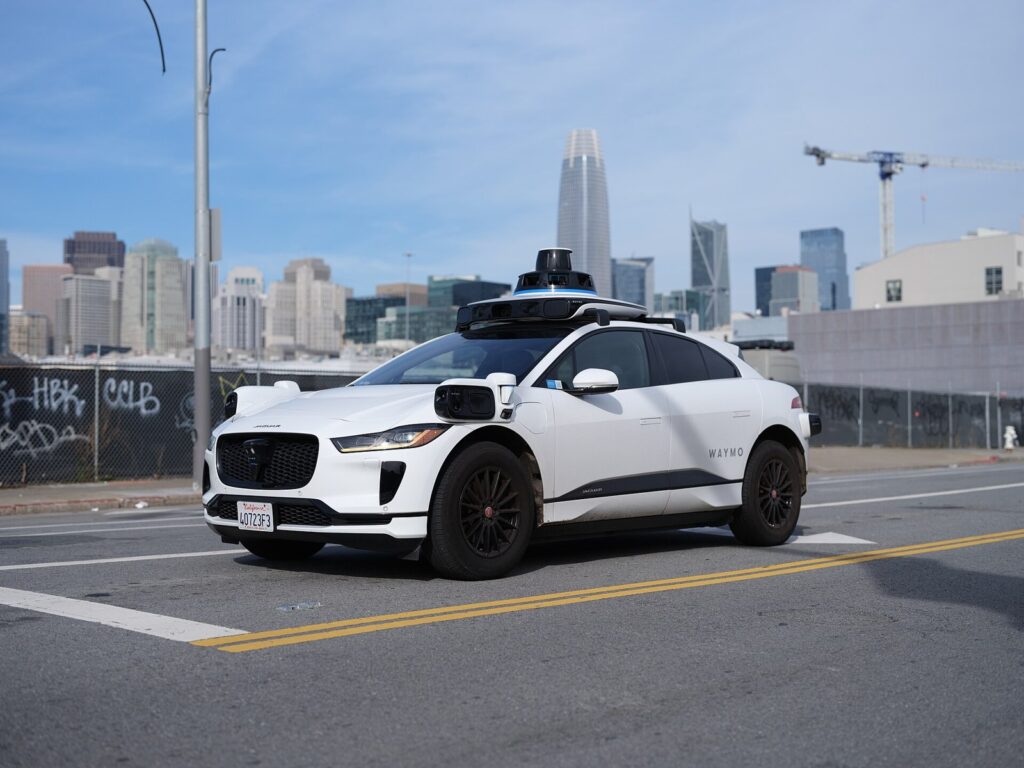
Alphabet’s self-driving unit Waymo has picked its first Spanish market. The company said on 19 and 20 October that its white Jaguar I-PACE vehicles will appear on the streets of the Madrid region “in the coming days”, with a fully autonomous ride-hailing service planned for 2027. Taken alone, it looks like one more pin on the map. Seen next to Waymo’s moves into Toronto, London and Tokyo over the same few weeks, it is something bigger. The company that built the most mature driverless service in the United States is now trying to show that its playbook works outside it, and Europe is where that gets tested hardest. For readers following our Technology coverage, this is the moment autonomous mobility stops being a mostly American story.
What Waymo actually announced for Madrid
Read the announcement closely and it is careful about what it promises. Waymo says it will start by driving the cars manually, mapping and validating the network. It will then move to autonomous driving with trained local “validation drivers” behind the wheel, and only after that to fully autonomous operations. The first areas named are Madrid City, Alcobendas and Getafe, and the company says it will add others later. Testing will run day and night, typically around the clock, under the autonomous-vehicle testing framework of Spain’s traffic authority, the DGT.
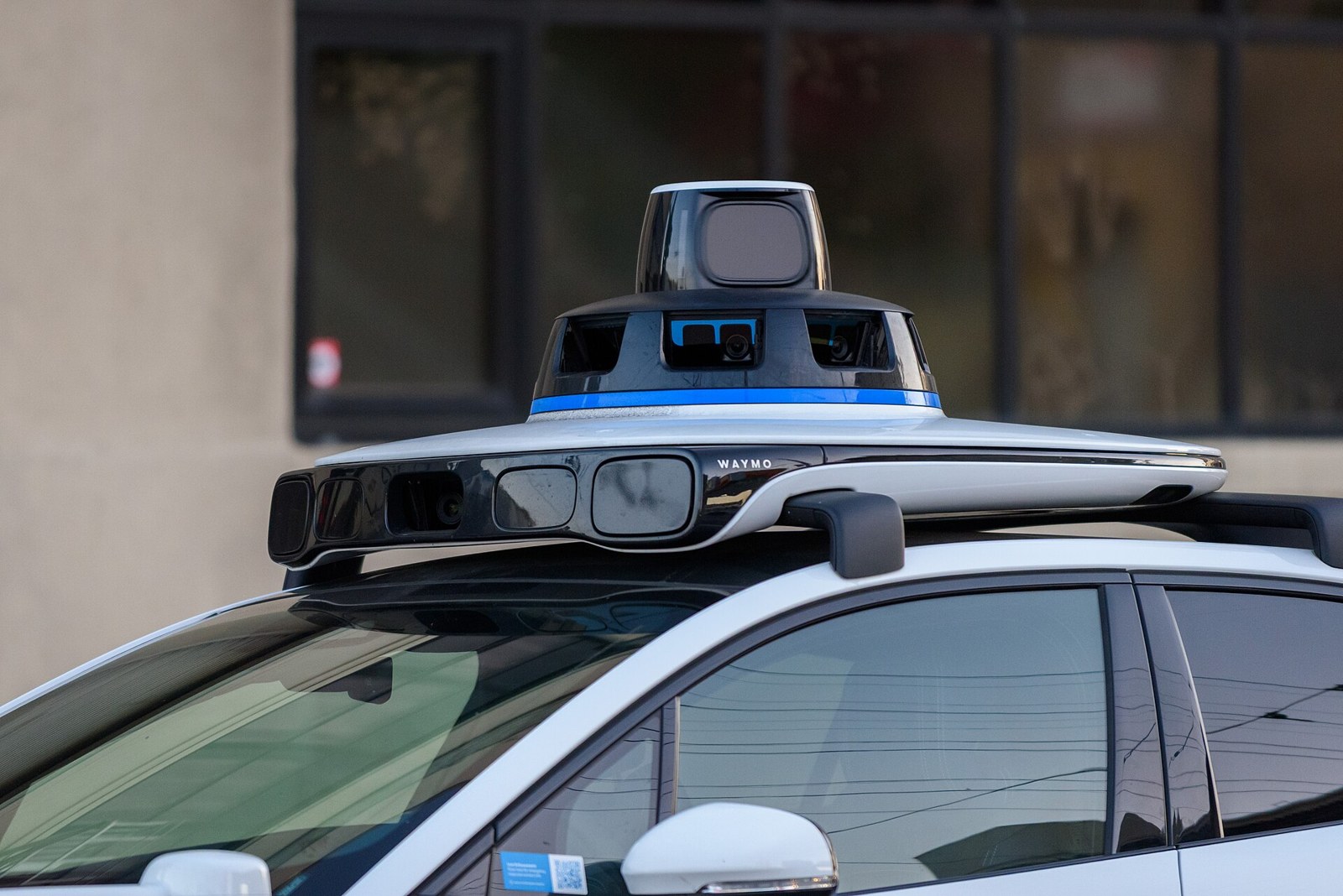
Waymo has not said how big the fleet will be, what rides will cost, or when exactly the public will be able to hail one. El País reported that the company would not share any of those details. Xataka was told the first-phase fleet would be “small” and that Waymo is working with “local operating partners” for 2027. That fits the model it has started using elsewhere: Moove manages the fleet in London, and Element Fleet Management will do the same in Toronto. One technical detail stands out. According to Xataka, the Madrid cars are I-PACEs running the fifth-generation Waymo Driver, even though in the US the company has already moved newer hardware onto the Zeekr-built Ojai and the Hyundai Ioniq 5.
The scale Waymo brings, and what it does not prove
Waymo comes to Spain with more evidence than any other robotaxi company. According to Reuters, its fleet runs in more than 15 US cities, completes more than 500,000 paid rides a week, and has passed 20 million cumulative paid rides. The company says its vehicles have covered more than 400 million kilometres of fully autonomous driving. On that data, it says it is involved in 95% fewer crashes causing serious injury or worse than human drivers covering the same distance in the same cities.
These numbers deserve respect, but they do not transfer automatically. A safety record from Phoenix grids and Californian boulevards says little about a roundabout in Getafe, a delivery van double-parked in Malasaña, or a pedestrian culture that treats crossings as suggestions. Waymo seems to know this. Its Spanish FAQ talks about teaching the system local traffic laws, road signs based on the 1968 Vienna Convention, and the lane discipline and right-of-way rules for cyclists and pedestrians that are common in Madrid. The safety claim is also Waymo’s own analysis of its own US data. European regulators will want local evidence before they accept it.
Madrid is already a crowded test track
Waymo is not the first robotaxi company in Madrid, and that matters. On 10 September, WeRide, Uber and AVOMO, the autonomous-fleet arm of Moove Cars Group, said they had received Spain’s first national permit for Level 4 autonomous passenger vehicles under the DGT’s ES-AV framework. That permit covers an initial 20 WeRide GXR vehicles with an in-car specialist, doing mapping, route validation and operational-readiness testing across high-demand parts of Greater Madrid. The partners say they expect commercial operations to start by the end of 2026. That would put them ahead of Waymo’s 2027 target, at least on paper.
This is the real competitive story in autonomous driving in Europe. On one side is a vertically integrated US player with deep data but older vehicles locally. On the other is a Chinese technology supplier paired with the world’s largest ride-hailing platform and an asset-light fleet operator. Both are betting on the same regional government, which worked with WeRide and Uber on their permit announcement. Both also face the same politically sensitive counterpart: Madrid’s taxi sector. In January 2019 it held a 16-day strike against Uber and Cabify that shut down the Castellana at rush hour. Whoever launches first will win headlines. Whoever keeps that coalition calm will win the market.

Regulation, not technology, sets the European timetable
London shows how this goes. Waymo once aimed to start driverless commercial rides there as early as September 2026. It now says only that it will launch “by the end of the year”. Driverless operation depends on the UK government finalising rules for its passenger pilot scheme and on approval from Transport for London. In the meantime, Uber and Wayve began supervised autonomous rides on 3 September with a small fleet of licensed Ford Mustang Mach-Es, each with a safety driver ready to take over. Public opinion is not yet on side either. A YouGov survey cited by the London Standard found 29% of Londoners supporting driverless vehicles and 42% opposed.
Spain has arguably moved faster. The ES-AV framework exists and permits are being issued. But testing permits and paid driverless service are different steps. Xataka points out that charging for a ride with nobody at the wheel needs a separate transport authorisation on top of the DGT testing permit. Data protection is the other European friction point. Waymo’s Madrid FAQ commits to GDPR compliance, says it does not use facial recognition, does not sell sensor data or use it for advertising, and offers Spanish residents a portal to exercise their rights over images captured by its external cameras. Its sister company is Google, so expect that question to be asked often.
A global expansion playbook under strain
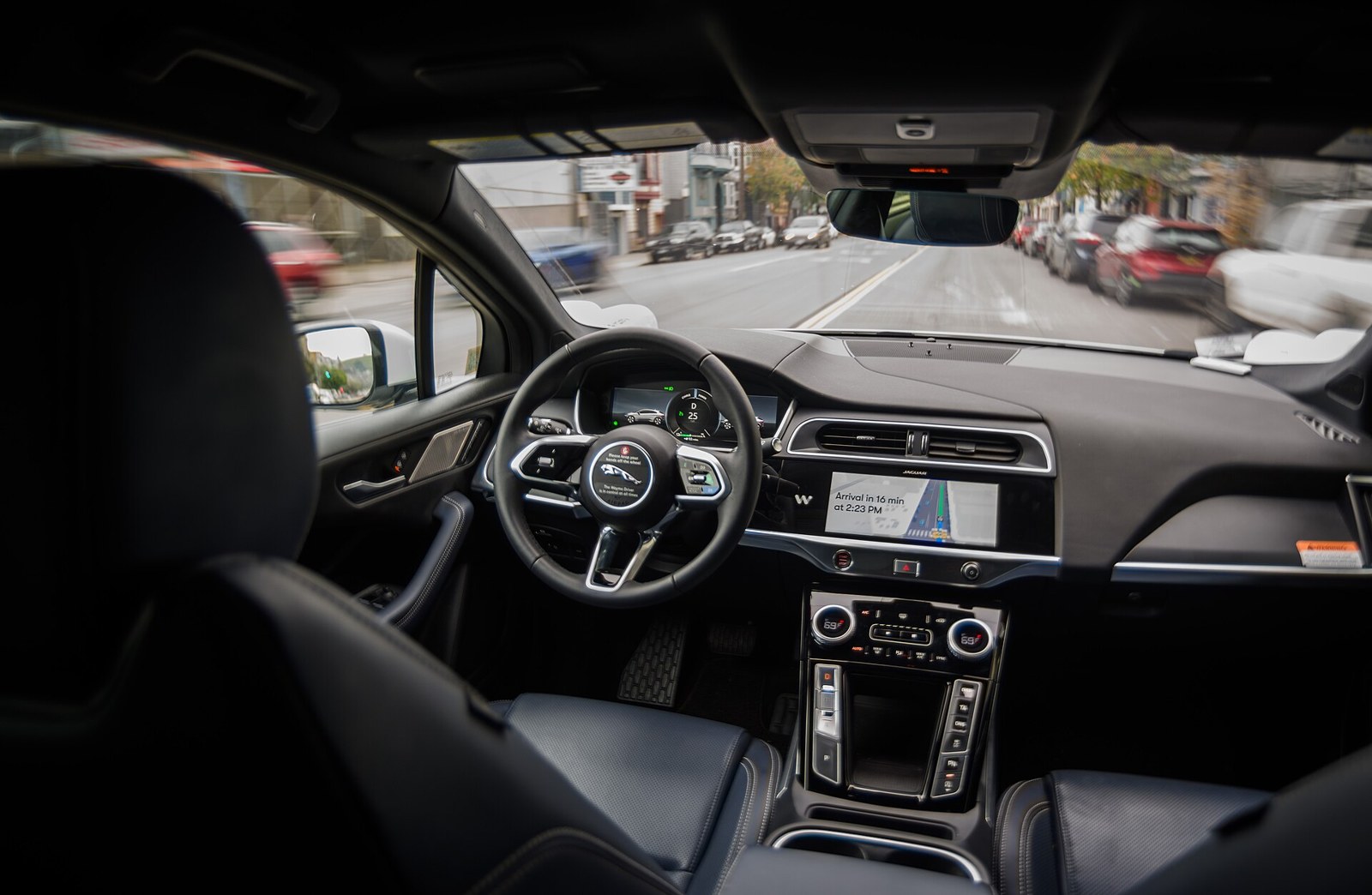
Madrid is one part of a much wider push by Waymo. On 16 October the company said it had started laying the groundwork in Toronto, after approval to join Ontario’s automated vehicle pilot programme, with Element Fleet Management handling on-site fleet operations and first riders targeted for 2028. TechCrunch notes that Toronto is the most northerly and probably the most wintry city Waymo has tried so far. Reuters lists the wider timetable: London this year, Tokyo in 2027 with Nihon Kotsu and GO pending regulatory approval, and Toronto in 2028. Two years ago, as TechCrunch also notes, the company had only three commercial markets.
The pattern is now clear. Waymo keeps the Driver, the software stack and the safety case. Fleet management, charging, cleaning and maintenance increasingly go to local partners. That is how a company scales from a handful of cities to dozens without building a car-rental business in each one. It also means the economics of each city depend on contracts Waymo does not fully control, signed in markets where taxi and ride-hailing politics vary a great deal.
What to watch between now and 2027
- Phase transitions in Madrid. The first useful signal will be when Waymo moves from manual mapping to autonomous driving with a validation driver, and whether it widens the test area beyond Madrid City, Alcobendas and Getafe.
- The commercial authorisation. Watch whether Spain creates a clear route from DGT testing permits to paid driverless service, and whether WeRide and Uber actually hit their end-2026 target.
- Vehicle choice. Waymo is running a discontinued vehicle with older hardware in Spain. When and with which vehicle it modernises the European fleet will say a lot about unit costs.
- London as the precedent. If Waymo’s UK launch slips into 2027, expect the same caution to apply on the continent.
- Labour and public opinion. Madrid’s taxi sector has shown it can stop the city. How the region and the operators bring incumbents into the transition may matter more than any lidar upgrade.
The bottom line is that Waymo’s arrival in Madrid is credible, well-resourced and deliberately unhurried. The technology has largely been proven in American cities. What Europe will test is whether a robotaxi company can earn regulatory trust, operating partners and public consent one country at a time. Madrid in 2027 will be one of the first real answers.
Sources
- Reuters (via StreetInsider): Waymo to launch autonomous ride-hailing in Madrid next year, 20 Oct 2026
- Waymo: Waymo in Madrid (official page and FAQ)
- Waymo: ¡Llegamos a Madrid! Waymo is coming to Spain, 19 Oct 2026
- El País: Google despliega en Madrid sus primeros robotaxis autónomos Waymo, 20 Oct 2026
- Xataka: Waymo llega a Madrid, 20 Oct 2026
- WeRide/Uber/AVOMO press release: Spain’s first national Level 4 permit, 10 Sep 2026
- Waymo blog: Hello Toronto! Waymo is En Route, 16 Oct 2026
- TechCrunch: Waymo’s robotaxis are headed to Canada, 16 Oct 2026
- EV Compared: Wayve and Uber robotaxis in London
- London Standard: London not ready for driverless robotaxis, report warns