On 30 October 2026, a satellite passing over Svalbard, in the Norwegian Arctic, sent seventeen syllables back to Earth: “Blue marble below / Data streams in silent grace / Starlight feeds my core.” As poetry, it is forgettable. As engineering, it is a genuine first. The lines were written by Gemma 4, an open model from Google, running on a data-center-class Tensor Processing Unit about a month after the spacecraft reached orbit. Google calls it the “Hello World” moment of Project Suncatcher, its long-term research effort to find out whether Artificial Intelligence computing could one day be powered directly by the Sun, in space. I have followed the orbital-compute debate since Google first published the idea in late 2025, and this is the moment it stops being a slide deck. It is also the moment to be precise about what has, and has not, been demonstrated.
What Actually Happened Above Svalbard
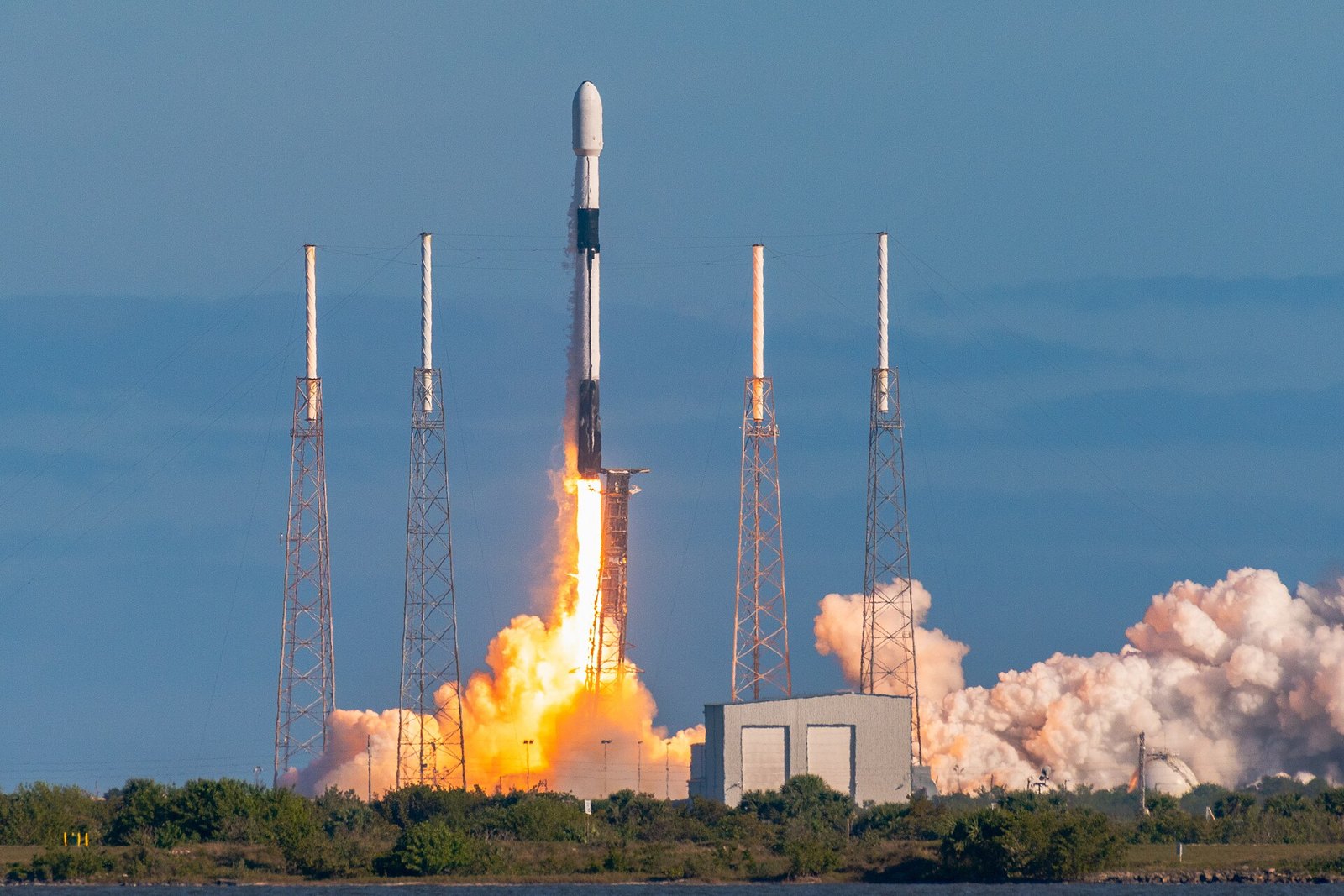
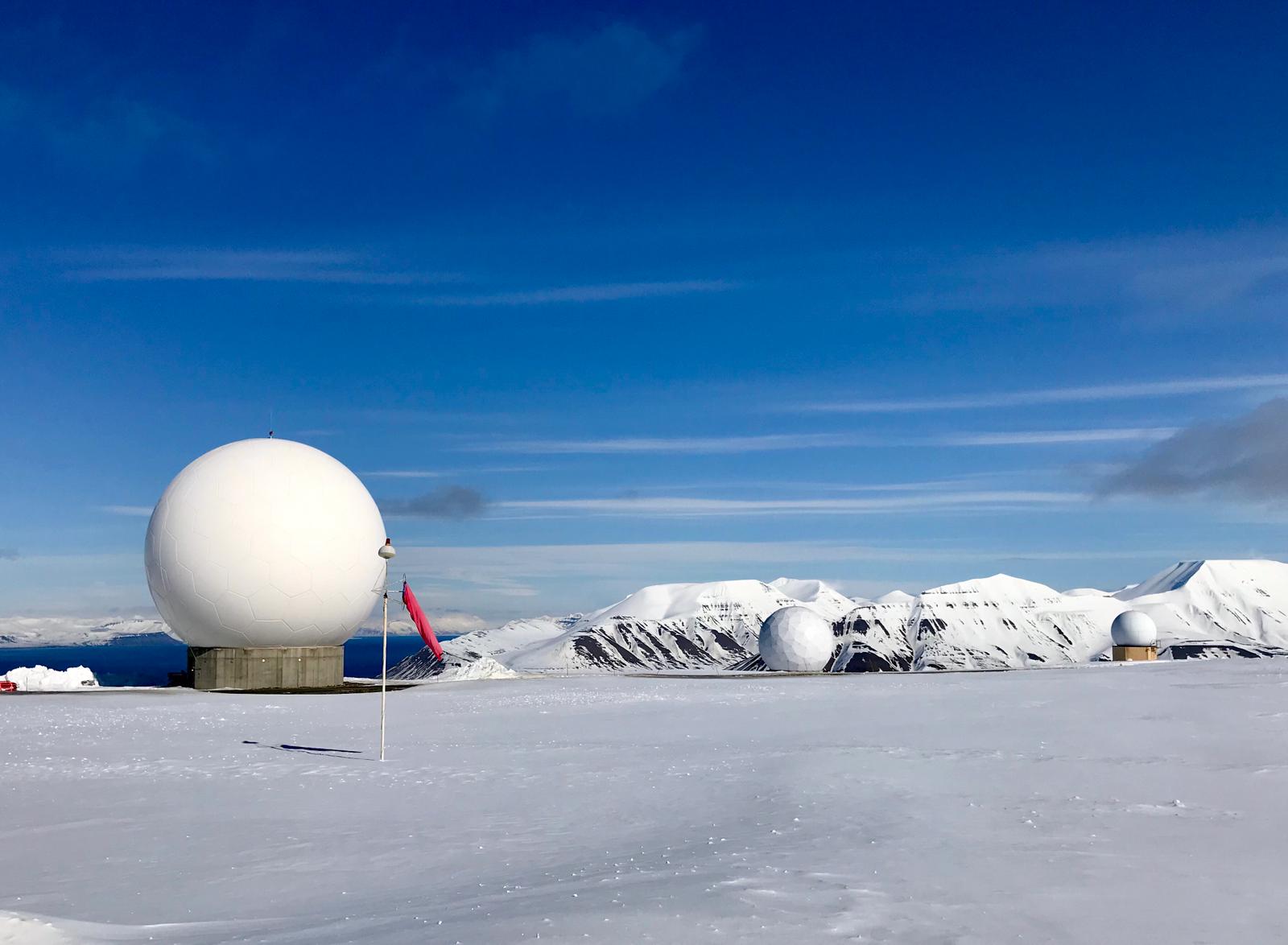
The prototype, built with the Earth-imaging company Planet, launched on 1 October aboard SpaceX’s Transporter-18 rideshare mission, sharing a Falcon 9 with more than a hundred other spacecraft. According to Travis Beals, senior director of Google’s Paradigms of Intelligence group, the team then spent several weeks working through a commissioning checklist: powering the host computer and the TPU trays, and running early machine-learning tests. In the last week of October, engineers uplinked a prompt during a ground-station pass, asking the onboard model for a haiku about being in space. The answer came down as the satellite crossed Svalbard, home to one of the world’s busiest polar ground stations.
Google then tried space-themed limericks and, more usefully, telemetry prompts in which the model reported the technical status of the payload. That last detail matters more than the poem. A model that can read its own housekeeping data and summarise it in plain language is a small preview of how autonomous spacecraft might one day be operated. The company told reporters the satellite is operating nominally.
Inside the Prototype: Four TPUs, One Kilowatt and Twenty Minutes
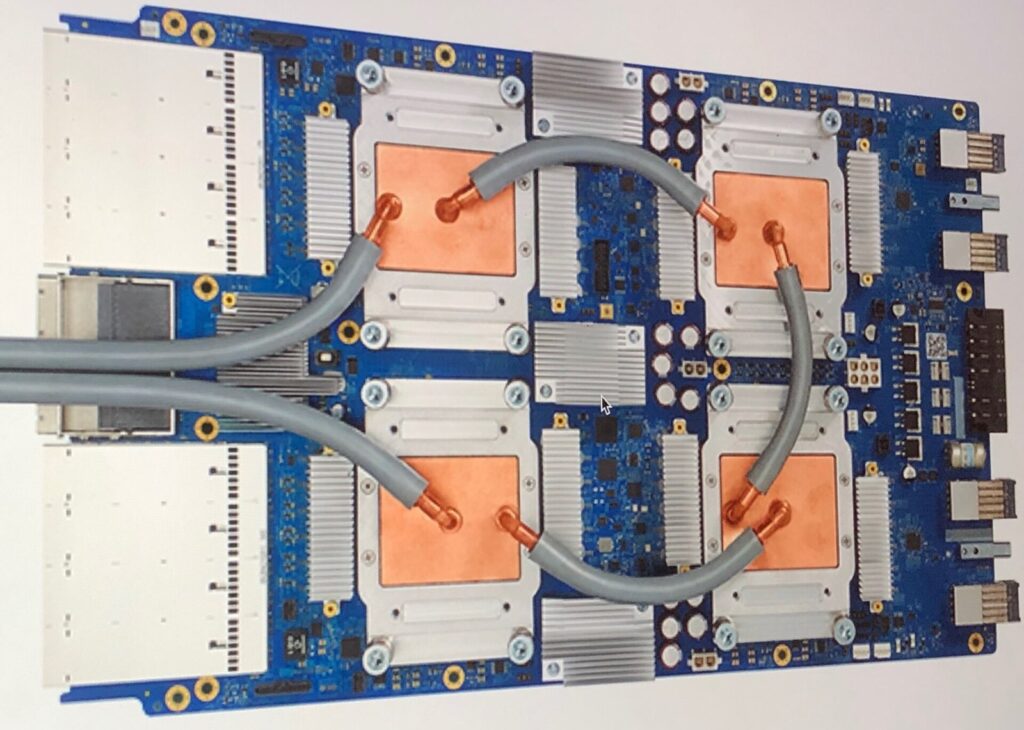
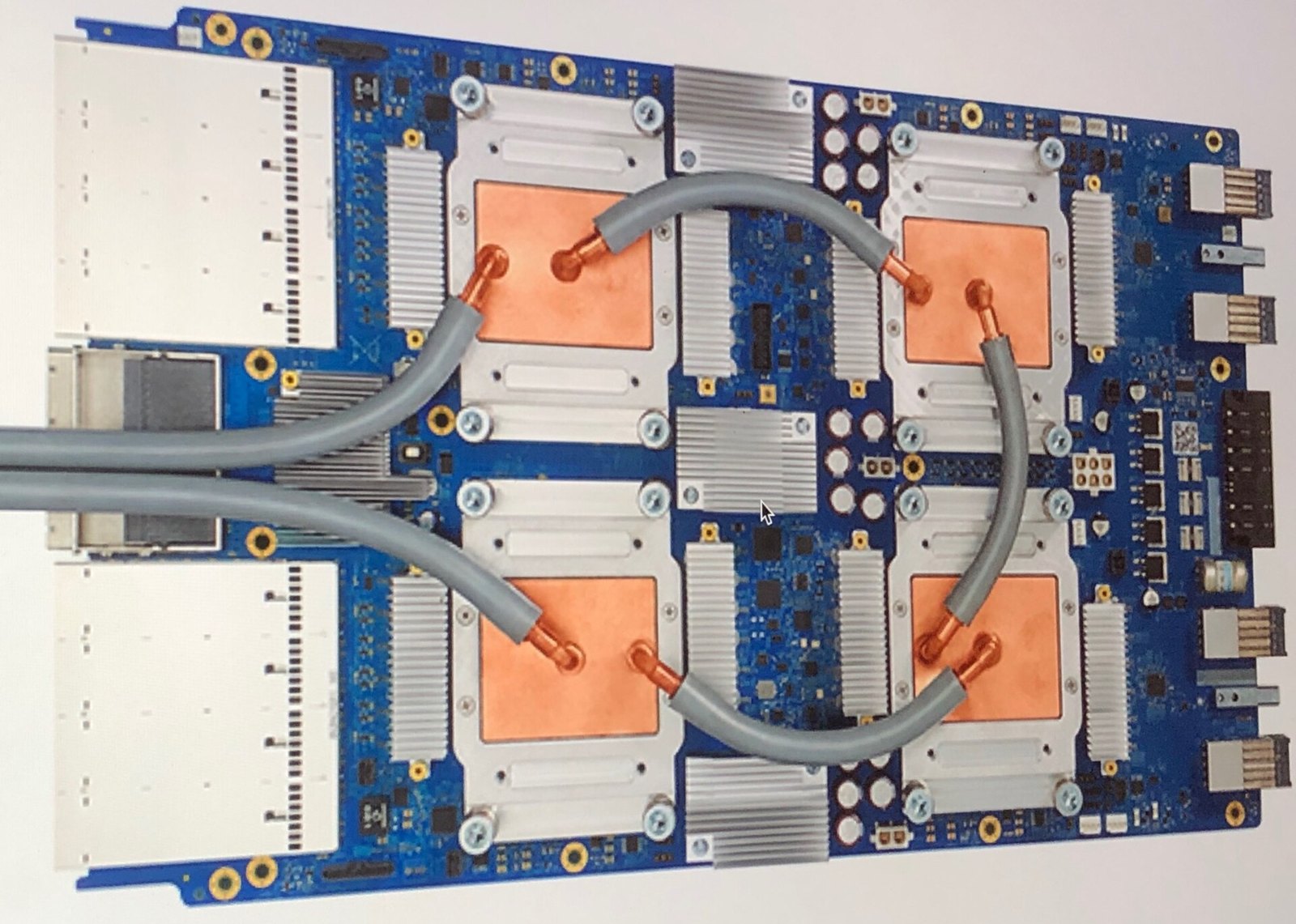
The hardware tells you how early this still is. TechCrunch reported that the satellite carries four TPUs and generates up to 1 kilowatt of electrical power. That is a generous budget for a small satellite but a rounding error for a data center, where a single modern AI rack can draw well over a hundred kilowatts. Because the accelerators are so power-hungry, the spacecraft can run only one TPU at a time, for roughly twenty minutes, drawing on solar energy stored in its batteries. Omar Sanseviero of Google DeepMind noted publicly that the model ran on that stored sunlight.
Those twenty-minute windows also have to line up with ground-station passes if a human wants to see the result in real time, which is why the first prompt and the first answer were bracketed by contact with the ground. None of this is a product. It is an instrumented test bench in low Earth orbit, built to answer one question first: do these chips survive and behave?
Why Radiation Is the Real Test, Not the Haiku
The next phase, Google says, is a series of experiments on how the TPUs perform under thermal stress and radiation exposure. This is where orbital computing lives or dies. In space, high-energy particles can flip individual bits in memory and logic. Some of these single-event upsets are caught by error-correcting codes; others can silently corrupt data without tripping standard monitoring, which is the nightmare scenario for anyone trusting a model’s output.
Google is not starting blind. In the research paper behind Suncatcher, the team reported irradiating its Trillium TPUs with a proton beam and found they survived a total ionising dose equivalent to a five-year mission without permanent failures, while characterising the rate of bit flips. The ground results suggested something intuitive but important: inference, where a trained model answers questions, is relatively tolerant of the occasional flipped bit, while training, where errors accumulate across billions of updates, is far more sensitive. Orbit is where that hypothesis now gets tested against the real radiation environment rather than a particle accelerator. If inference turns out to be robust, the first commercial uses of space compute are likely to be serving models, not building them.
The Bigger Plan: Satellite Clusters Flying in Tight Formation
Project Suncatcher was announced in November 2025 together with a preprint, now peer-reviewed and published in the journal Joule. Its vision is not a single giant space station but fleets of smaller satellites in a dawn-dusk sun-synchronous orbit, where solar panels see the Sun almost continuously. To make many satellites behave like one computer, they would have to exchange data at data-center speeds, and that means flying them extremely close together and linking them with free-space optical lasers.
The paper illustrates the idea with an 81-satellite cluster within a radius of about one kilometre, with neighbouring spacecraft only a few hundred metres apart, held in formation by machine-learning-based control models. Google has said the next milestone is a pair of interconnected satellites in 2027, which will generate more power and demonstrate optical links between spacecraft. That step is arguably harder than this one: keeping two satellites in tight formation while pushing terabits of data between them is a problem no one has solved at scale.
The Economics: Everything Depends on Launch Costs
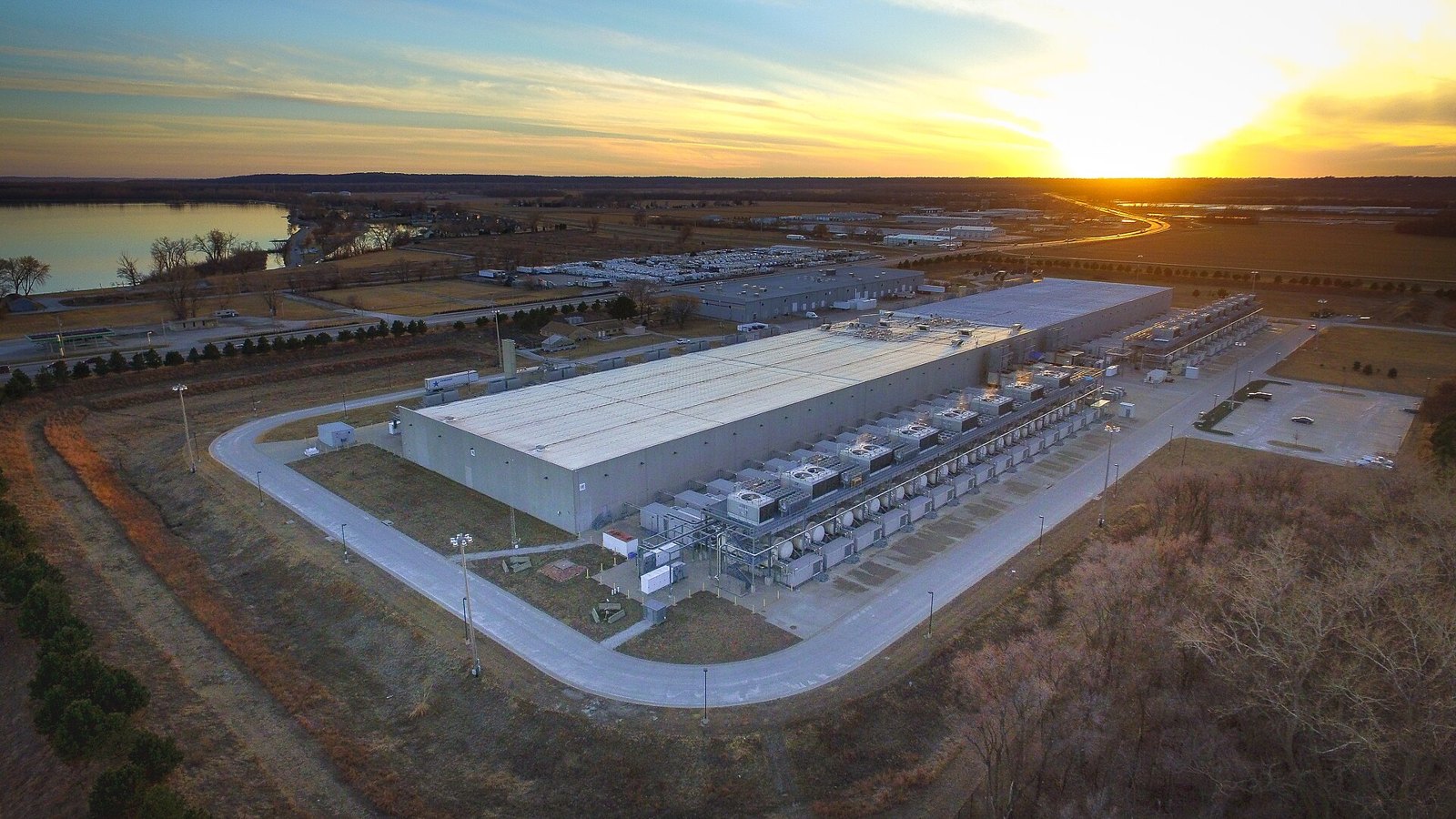
Why bother? The answer is energy. AI demand for electricity is colliding with grid connections, permitting queues and local opposition to new Data Centers on the ground. A solar panel in the right orbit produces far more energy over a year than the same panel on Earth, with no night, no weather and no land to buy. The catch is getting the hardware up there.
Google’s own analysis is candid. It concludes that if launch prices to low Earth orbit fall below roughly 200 dollars per kilogram, the launch cost amortised over a satellite’s lifetime could become roughly comparable to what terrestrial data centers spend on power, on a per-kilowatt basis. Based on a learning curve from SpaceX’s historical pricing, the authors suggest that threshold could arrive around the mid-2030s, but only with a sustained launch cadence on the order of 180 Starship flights a year. TechCrunch has estimated today’s reusable Falcon 9 cost at about 3,600 dollars per kilogram, so the gap is still close to twenty-fold. There is also the problem of heat: in a vacuum, chips can only shed waste heat by radiating it, which means large, heavy radiators that eat into those mass budgets.
A Crowded Race Above the Clouds
Google is not alone, and it is not even first to put a modern AI chip in orbit. Starcloud, a startup backed by Nvidia’s Inception programme, launched a satellite carrying an Nvidia H100 GPU in November 2025 and later ran a Google Gemini model and trained a small language model on it. SpaceX has sought regulatory approval for a constellation that could reach up to a million compute-capable Satellites. What distinguishes Suncatcher is its architecture: Google is betting on disaggregated clusters of its own TPUs, tied together by optical links, rather than a few large spacecraft. A failed satellite in such a cluster reduces capacity instead of taking the whole system down, and hardware can be refreshed in shorter cycles, at the price of harder formation flying and higher-latency interconnects.
The timing is telling, too. The haiku arrived in the same week as a sharp sell-off in technology stocks driven by investor anxiety over the enormous cost of AI infrastructure. Orbital compute is, in part, a bet that the energy bottleneck will stay severe enough to justify extraordinary engineering. If you follow our Technology coverage, you will recognise the pattern from custom chips and memory shortages: the AI race is increasingly a race for power and supply, not just better models.
What to Watch Next
Three signals will tell us whether Suncatcher is a curiosity or the start of a new kind of infrastructure. First, the radiation and thermal results: if Google reports that its TPUs run long inference workloads in orbit with manageable error rates, the technical case strengthens considerably. Second, the 2027 twin-satellite mission, and in particular whether it demonstrates high-bandwidth optical links between spacecraft flying close together. Third, launch prices, which depend largely on whether fully reusable heavy rockets reach routine, high-cadence operations.
My own read is that the near-term value of Space-based computing lies in niches where data is already in orbit, such as processing Earth-observation imagery before downlinking it, rather than in replacing hyperscale campuses on the ground. General-purpose AI in orbit will remain a moonshot for at least a decade. But moonshots begin with modest, verifiable steps, and a TPU answering a prompt from a few hundred kilometres up is exactly that. The poem may be mediocre; the proof of concept is not.