
Table of Contents
ToggleElectric Scooters Linked to Increased Injury Risks
Recent research reveals that electric scooter users face a significantly higher risk of brain and internal organ injuries compared to motorcyclists and cyclists. Conducted in England, the study analyzed data from over 15,000 patients, highlighting alarming safety concerns associated with electric scooter rentals.
Study Findings and Scope
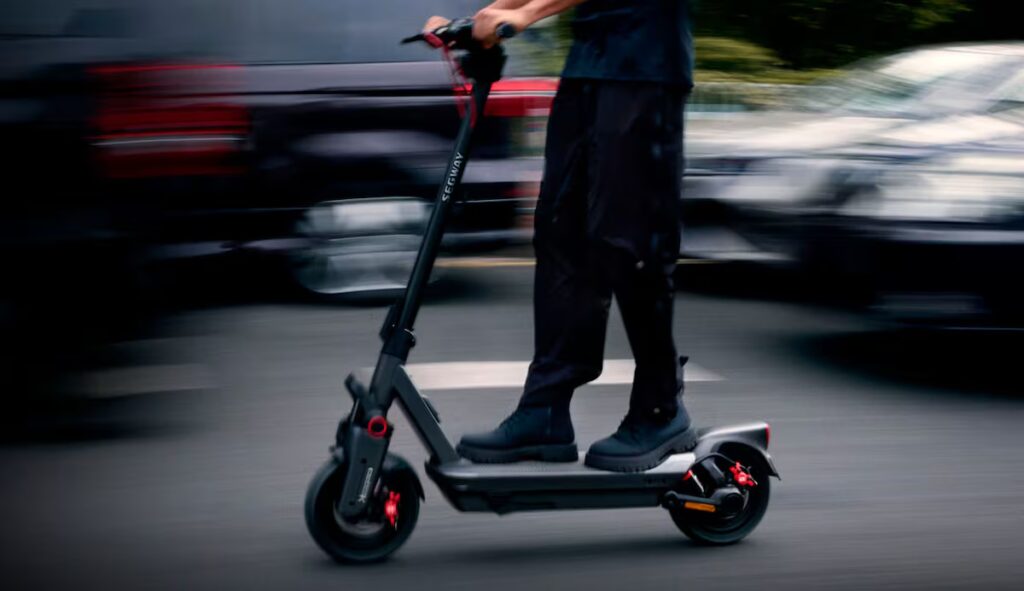
The study focused specifically on dockless rental scooters, as they generally follow a standardized model compared to privately owned scooters, which can vary widely in design. According to David Bodansky, a trauma surgeon and author of the study, the standardized design of rental scooters increases the likelihood of riders being ejected headfirst in collisions.
A critical factor in the heightened danger for electric scooter riders is the low helmet usage rate, with only 5.9% wearing helmets, in stark contrast to 75.7% of motorcyclists and 45.0% of cyclists. The authors of the study advocate for legislation to mandate helmet use for scooter riders.
Risk Metrics Compared to Motorcyclists and Cyclists
The findings indicate that adults riding electric scooters have a 3.5 times higher risk of traumatic brain injuries, a 1.5 times greater risk of internal organ injuries, and a 3.2 times increased risk of arterial or venous damage compared to motorcyclists. When compared to cyclists, the risks are also higher: 1.7 times for brain injuries, 1.4 times for internal organ injuries, and 1.7 times for vascular damage.
Rise of Electric Scooters in Urban Areas
Since 2017, electric scooters have transitioned from being mere toys to practical urban vehicles. With rental companies proliferating in cities, these scooters have become a common sight, often abandoned on sidewalks. The ease of use, combined with minimal regulations and costs, has made electric scooters one of the most popular forms of personal mobility in urban environments, albeit one of the most dangerous.
Gender Disparities in Injury Rates
The research also analyzed 23,193 reported collisions and scooter-related accidents, uncovering that women are 2.1 times more likely to report serious injuries compared to men, who had a 36% lower risk of collision. This notable disparity needs further exploration, especially since men generally report higher crash rates in other studies.
Bodansky suggests that men incur more injuries in car accidents because they typically drive longer distances and often engage in riskier behaviors such as driving under the influence. However, the patterns for scooter rentals seem to differ. The heightened injury rate among women may stem from the fact that many electric scooters are designed for male body proportions, and previous research indicates that women are more likely to use sidewalks and unpaved surfaces when riding.
Socioeconomic Factors Influencing Accidents
The study employed geolocation methods to analyze accidents, revealing that injuries were more prevalent in economically disadvantaged areas, whereas injury severity appeared to correlate with higher income levels. As electric scooter use continues to evolve, so do the user demographics and the risks associated with sharing roadways with larger vehicles. Experts emphasize the necessity for ongoing research to enhance safety measures and scooter design, alongside new regulations anticipated to take effect in Spain this fall.