Table of Contents
ToggleShifting Spiritual Landscape in Chile
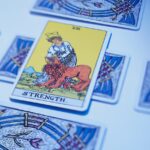
Gabriela Strahalm first turned to tarot cards at the age of 18 in 2008, during a turbulent time in her life. With her mother grappling with alcohol addiction and the possibility of institutional treatment looming, Gabriela faced a difficult choice: remain in Santiago, Chile’s capital, or relocate to her grandmother’s home. Seeking guidance, she contacted her best friend’s aunt, known for tarot readings, to inquire about her mother’s fate should she choose to leave.
This initial reading proved pivotal; Gabriela moved away, and within three months, her mother passed away. This experience fostered a lasting association with tarot as an alternative means of navigating life’s challenges.
Religious Trends Among Chilean Youth
In the nearly two decades since Gabriela’s first reading, religious affiliation in Chile has witnessed significant transformation, particularly among younger generations. According to the UC Bicentennial Survey, the percentage of Chileans aged 18 to 34 identifying as non-religious rose from 19% in 2006 to 51% by 2025. Similarly, the 2024 Census reported that 25.8% of individuals aged 15 and over now claim no religious affiliation, a substantial increase from 8.3% in 2002.
The 2024 Center for Public Studies (CEP) survey reveals an intriguing juxtaposition between religious identification and belief. Among those without religious affiliation, 55% still profess a belief in God, and 67% report their own personal method of connecting with the divine.
The Nature of Modern Belief
Maureen Neckelmann, a sociologist at the Pontifical Catholic University, suggests that the current context transcends traditional secularization theories, which posited a shift from religion to science for understanding the world. Rather, she asserts that especially younger individuals are cultivating individualized spiritual approaches.
The CEP survey highlights the prevalence of individualized belief systems, with 76% of Chileans affirming a belief in God while 74% assert they can connect with Him without religious institutions. This trend signifies a shift in authority in matters of belief, moving away from established doctrines to personalized spiritual paths. Neckelmann notes that individuals may construct coherent belief systems that blend traditional faith with unconventional practices, such as astrology.
A Personal Spiritual Journey
Before her tarot journey, Gabriela’s exposure to spirituality was limited to her Catholic upbringing. However, discussions about UFOs and energy healing with a friend during her teenage years piqued her interest in alternative spiritual practices. A significant turning point occurred during the COVID-19 pandemic when a cousin claimed to communicate with her deceased mother, facilitating what Gabriela describes as her spiritual awakening.
As interest in spirituality grew, event producer Majo Arévalo leveraged her skills to create spaces for spiritual exploration, organizing courses and gatherings focused on tarot, astrology, and alternative healing methods. From this initiative emerged the Chile Tarot Congress, which also offers professional development opportunities for aspiring tarot readers.
The Intersection of Healing and Profit
Psychologist René Gallardo, who has studied the evolving spiritual landscape, notes a trend of individuals seeking empowerment and fulfillment through holistic practices. Gallardo and colleague Rodrigo Navarrete characterize these as “therapeutic spiritualities,” blending spiritual beliefs with emotional and physical healing techniques. Some practitioners describe their work as more lucrative than traditional therapy roles, often opting for terms like “compensation” rather than payment for their services.
For instance, Wilma Flores transitioned from a corporate job to embrace holistic healing after a personal crisis, charging around 70,000 Chilean pesos (approximately $76) for her sessions. While some practitioners view their work as a calling, the expectation for individuals to take responsibility for their well-being adds a complex layer to the spiritual dynamics in play.
Evolving Regulatory Frameworks
Since 2005, Chile has had regulations for alternative medical practices, but specific modalities like reiki lack official recognition as healthcare professions. Majo Arévalo advocates for a code of ethics among tarot readers to ensure responsible and respectful practices, recommending that clients be informed about potential outcomes and the need for professional mental health support.
Gabriela, now a trained tarot reader, has integrated her passion into her life. Balancing her journalism career, she operates tarot readings in the evenings and weekends, communicating with clients primarily through WhatsApp. Despite generating income from her passion, she emphasizes the importance of caution, advising clients not to rely solely on tarot for decision-making.